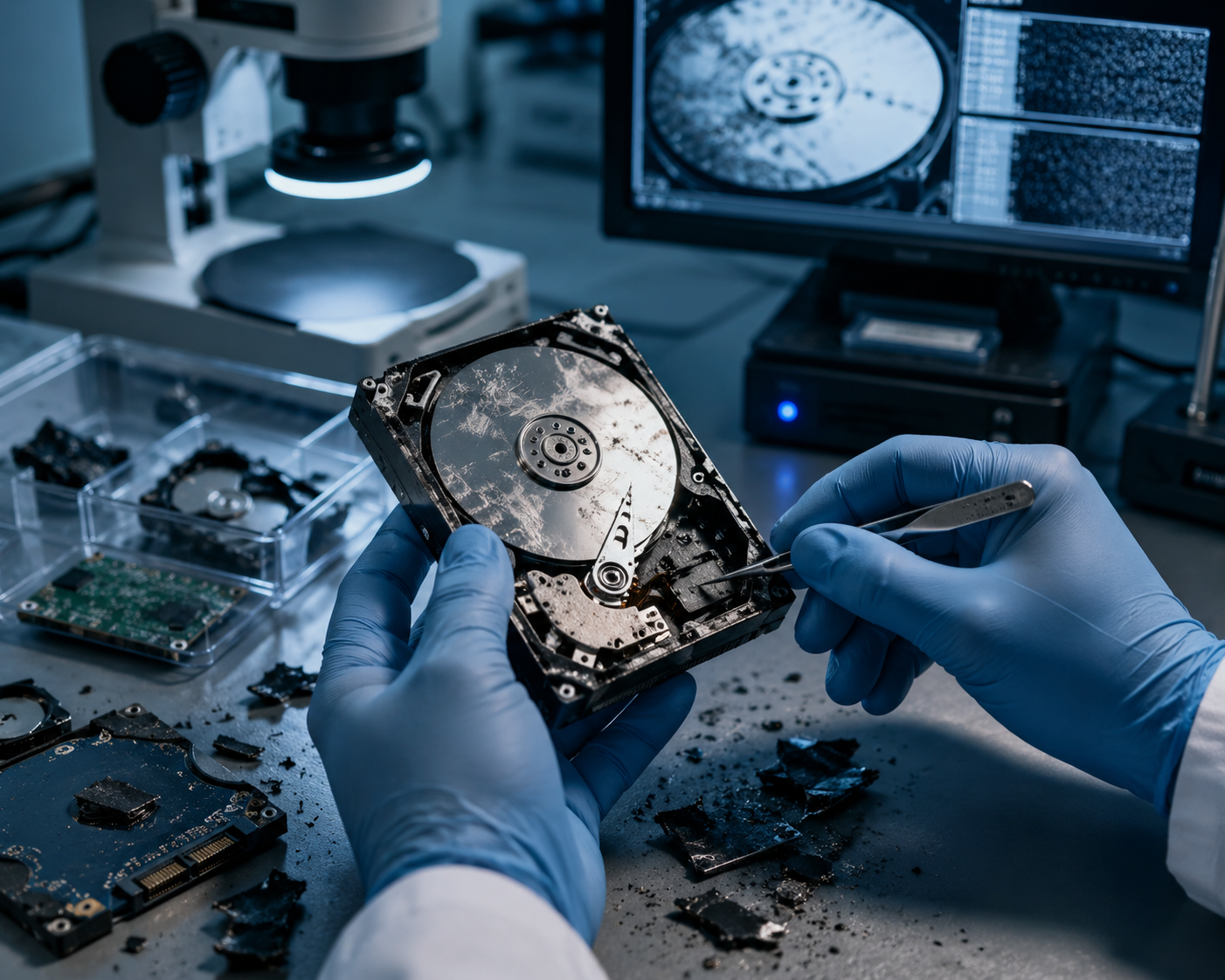
Digital evidence is often stored on fragile media that can be physically damaged, electronically corrupted, or intentionally destroyed. In many investigations, storage devices arrive in conditions far from ideal — burnt in fires, submerged in water, crushed during accidents, or deliberately tampered with to prevent data recovery. Despite these challenges, digital forensic experts frequently succeed in extracting critical evidence from damaged storage devices using specialized techniques, tools, and laboratory procedures.
This blog explores the methods, challenges, and forensic significance of recovering evidence from damaged storage media.
Understanding Damaged Storage Devices
A damaged storage device is any digital media that cannot be accessed normally due to physical, logical, or electronic failure. Common examples include:
- Hard Disk Drives (HDDs)
- Solid State Drives (SSDs)
- USB flash drives
- Memory cards
- Mobile phone storage chips
- Optical media like CDs or DVDs
Damage can occur accidentally or intentionally, and the type of damage determines the recovery approach.
Types of Damage Encountered in Digital Forensics
1. Physical Damage
Physical damage affects the hardware components of the device.
Examples:
- Broken USB connectors
- Scratched HDD platters
- Fire or heat exposure
- Water damage
- Crushed or bent devices
Physical damage often requires cleanroom procedures and hardware-level repairs before forensic imaging can begin.
2. Logical Damage
Logical damage refers to corruption within the file system or software structure.
Examples:
- Deleted partitions
- Corrupted file systems
- Malware attacks
- Formatting of drives
- Damaged boot sectors
In such cases, the hardware may still function normally, but data access becomes difficult.
3. Electronic Damage
Electronic failures affect circuit components.
Examples:
- Burnt PCB boards
- Power surge damage
- Short circuits
- Failed controller chips
Investigators may replace or repair electronic components to regain access to stored data.
Forensic Process of Evidence Recovery
Recovering evidence from damaged storage devices requires a methodical forensic workflow to preserve data integrity and maintain admissibility in court.
Step 1: Initial Assessment
The device is carefully examined to determine:
- Nature of damage
- Device type and interface
- Possibility of safe power-on
- Risk of further data loss
Photographs and documentation are created before any recovery attempt.
Step 2: Stabilization of the Device
Investigators may perform:
- Drying and decontamination
- PCB replacement
- Connector repair
- Component cleaning
- Controlled environment handling
The objective is to prevent additional damage during examination.
Step 3: Forensic Imaging
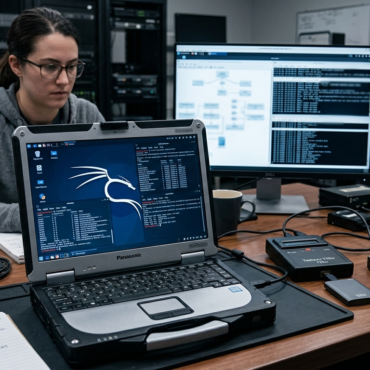
Once the device becomes accessible, a forensic image is created.
A forensic image:
- Captures bit-by-bit copies of storage media
- Preserves deleted and hidden data
- Prevents alteration of original evidence
Investigators avoid working directly on the original damaged device whenever possible.
Step 4: Data Reconstruction and Recovery
Specialized forensic software is used to:
- Recover deleted files
- Rebuild corrupted partitions
- Extract fragmented data
- Analyze unallocated space
- Reconstruct damaged file systems
Recovered artifacts may include:
- Emails
- Documents
- Chat records
- Images and videos
- Browser history
- System logs
Challenges in Recovering Damaged Devices
Fragility of Evidence
Damaged devices may deteriorate further if handled improperly. Even a single incorrect power attempt can permanently destroy data.
SSD Complexity
Solid State Drives are more difficult to recover than traditional HDDs because of:
- Wear leveling
- TRIM operations
- Encryption
- Complex controller architecture
Encryption Barriers
Even if data is successfully extracted, encrypted volumes may remain inaccessible without keys or passwords.
Time and Cost
Advanced recovery procedures often require:
- Cleanroom facilities
- Specialized hardware
- Chip-off techniques
- Skilled forensic personnel
Complex recoveries can take days or even weeks.
Advanced Recovery Techniques
Chip-Off Forensics
Memory chips are physically removed from damaged devices and read directly using specialized equipment.
Commonly used for:
- Mobile phones
- Flash drives
- Memory cards
Platter Transplant
For severely damaged HDDs, platters may be transferred into donor drives inside cleanroom environments.
This process is highly delicate and requires precision handling.
JTAG and ISP Techniques
Investigators connect directly to device memory interfaces to extract raw data without removing chips.
Often used in mobile device forensics.
Importance in Criminal and Civil Investigations
Recovered evidence from damaged devices can play a crucial role in:
- Cybercrime investigations
- Financial fraud cases
- Insider threat investigations
- Homicide investigations
- Intellectual property theft
- Data breach inquiries
Even partially recovered data may establish timelines, communications, user activity, or intent.
Best Practices for Handling Damaged Devices
To maximize recovery success:
- Never power on visibly damaged devices unnecessarily
- Store wet devices in controlled conditions
- Use anti-static handling procedures
- Document every action thoroughly
- Maintain chain of custody
- Use forensic write blockers whenever applicable
Improper handling can permanently destroy valuable evidence.
Future of Damaged Media Recovery
As storage technologies evolve, forensic recovery becomes increasingly complex. Modern devices incorporate:
- Hardware encryption
- Cloud synchronization
- Proprietary controllers
- Advanced security mechanisms
Digital forensic laboratories continue developing new recovery methods to adapt to emerging technologies and anti-forensic measures.
Conclusion
Recovering evidence from damaged storage devices is one of the most technically demanding areas of digital forensics. Whether dealing with fire-damaged hard drives, water-soaked mobile phones, or corrupted flash media, forensic experts combine scientific methods, specialized tools, and meticulous procedures to uncover valuable digital evidence.
Successful recovery not only helps solve investigations but also ensures that critical evidence remains reliable, admissible, and scientifically defensible in court.



Post comments (0)