Chain of Custody

21 Results / Page 1 of 3

Background

todayJuly 17, 2026

close

Blog vanshika

Can Forensic Science Be Wrong? Understanding Its Limitations

Introduction Forensic science has become synonymous with solving crimes. Thanks to television shows, movies, and news reports, many people believe forensic evidence is always accurate, objective, and impossible to challenge. Fingerprints identify the culprit, DNA never lies, and handwriting analysis always reveals the truth-or so the public perception goes. In ...

todayJuly 8, 2026

close

Blog Harinandhan A S

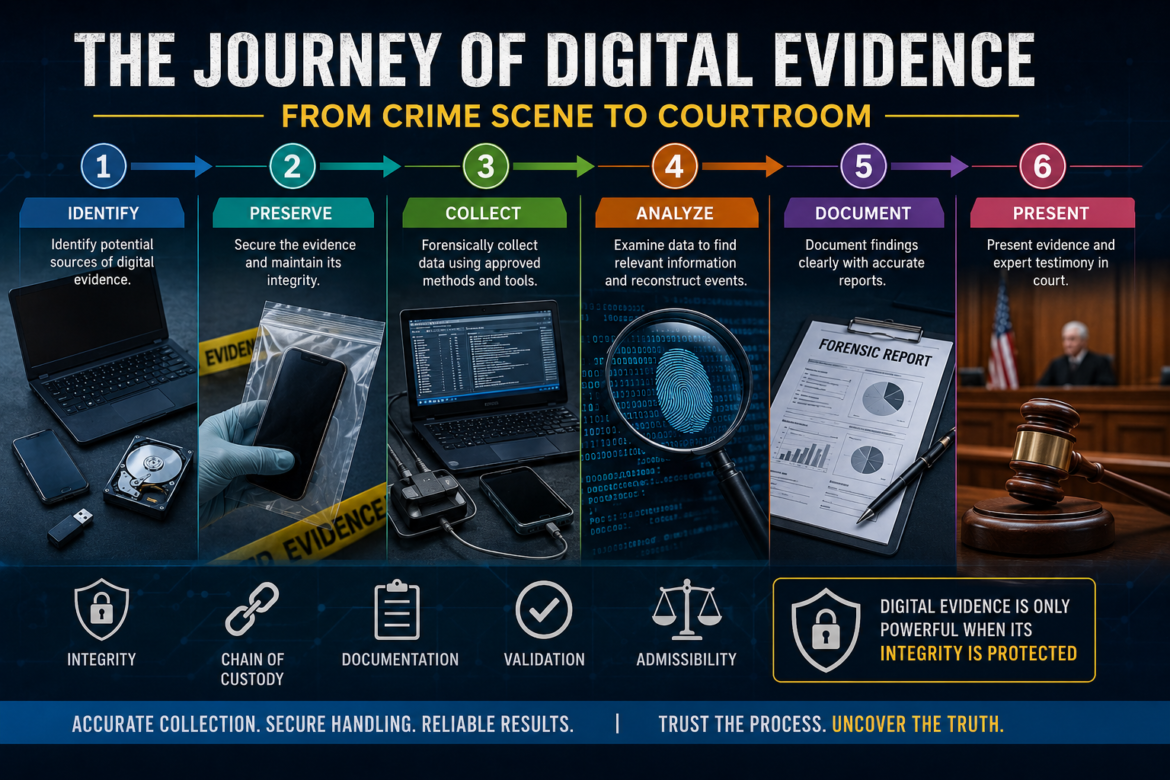
The Journey of Digital Evidence: From Crime Scene to Courtroom

  Every cybercrime investigation begins with a single piece of digital evidence. It may be a smartphone recovered from a suspect, a laptop found at a crime scene, a surveillance video, or an email linked to fraudulent activity. However, collecting digital evidence is only the beginning. To ensure that the ...

todayJuly 3, 2026

close

Blog vanshika

Use of Crime Investigation Kits in Wildlife Crime Investigations

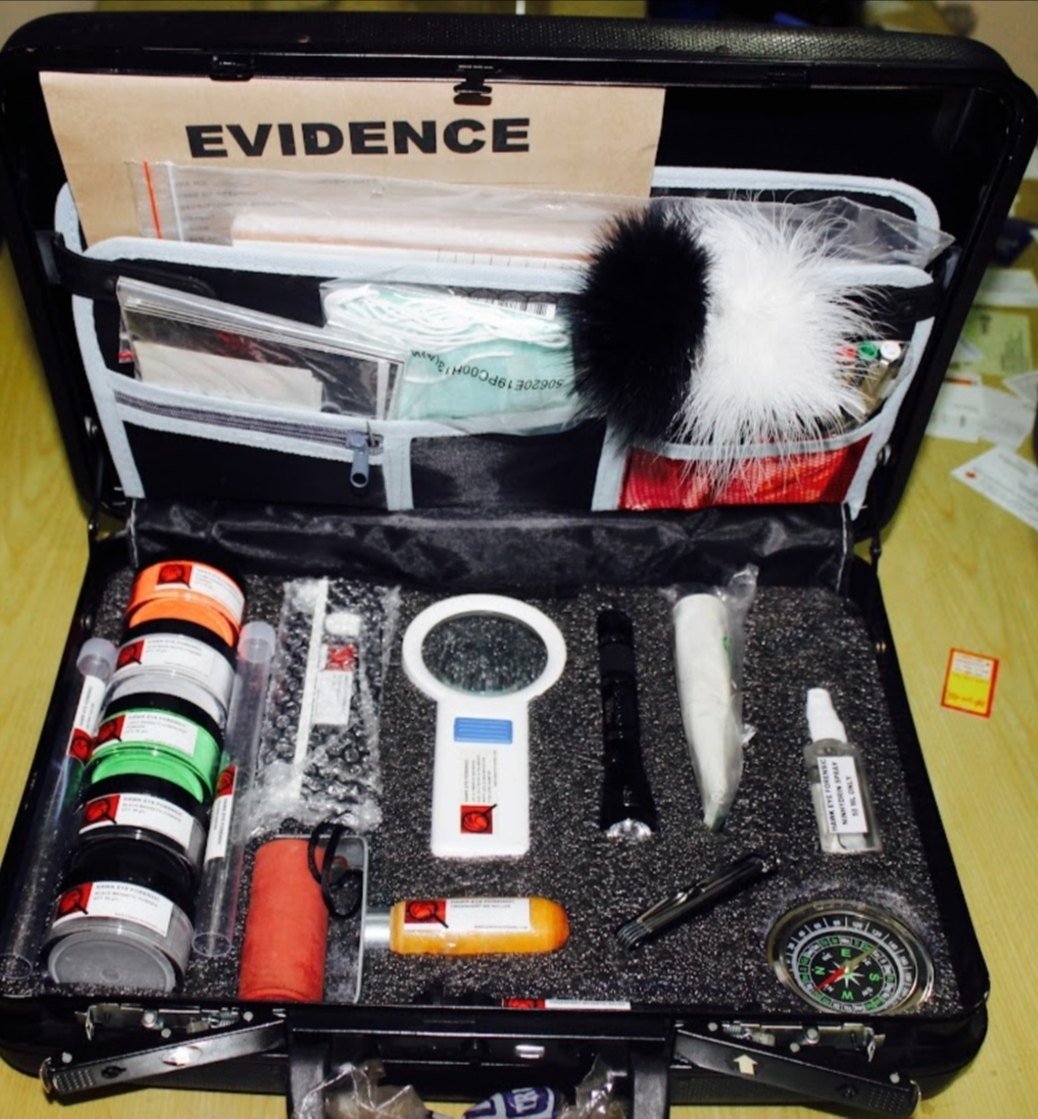
Introduction Wildlife crime is one of the fastest-growing forms of organized crime worldwide. Illegal hunting, poaching, trafficking of animal parts, illegal logging, and the smuggling of endangered species threaten biodiversity and disrupt ecosystems. To combat these crimes effectively, wildlife investigators rely on specialized crime investigation kits that help collect, preserve, ...

todayJune 11, 2026

close

Blog vanshika

What Happens During the First Hour of a Crime Scene Investigation?

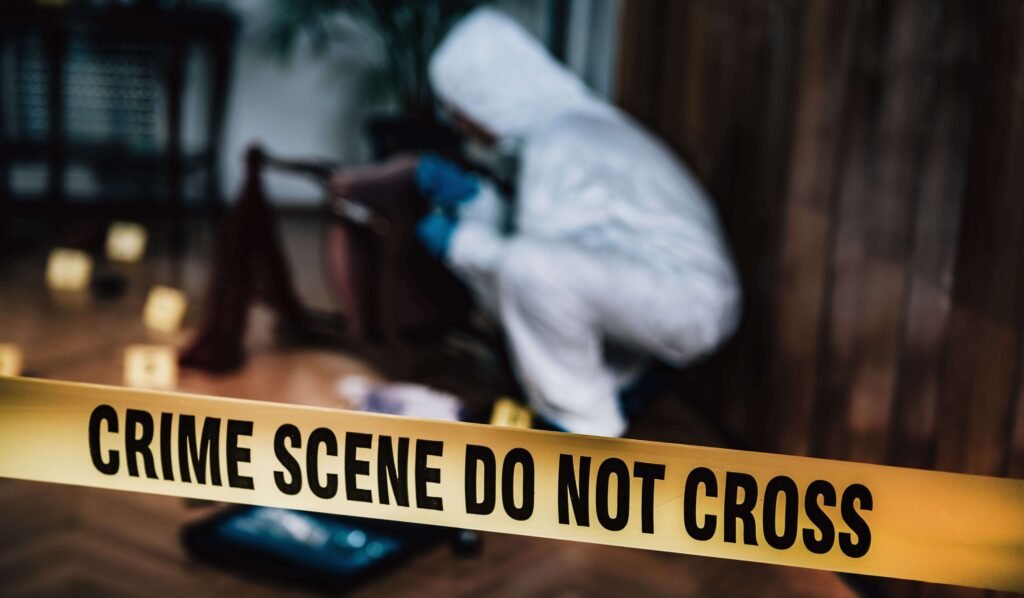
Introduction The first hour after a crime scene is discovered is often referred to as the “golden hour” of investigation. During this critical period, investigators work quickly to secure, assess, document, and preserve evidence before it can be altered, contaminated, or destroyed. The actions taken in these first sixty minutes ...

todayMay 8, 2026

close

Mobile Forensic + Digital Forensics + Data Recovery + HardDriveRecovery Neerav Jindal

Recovering Evidence from Damaged Storage Devices

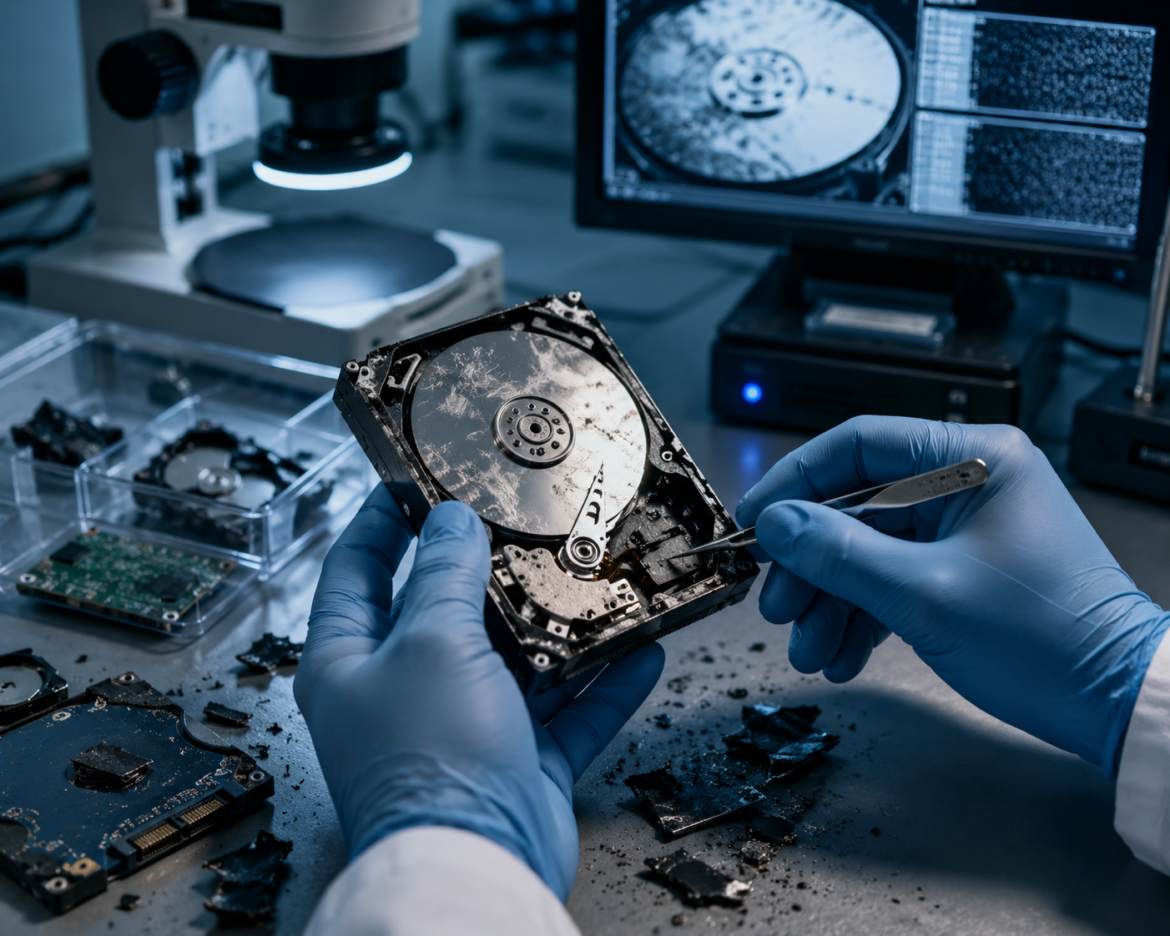
Digital evidence is often stored on fragile media that can be physically damaged, electronically corrupted, or intentionally destroyed. In many investigations, storage devices arrive in conditions far from ideal — burnt in fires, submerged in water, crushed during accidents, or deliberately tampered with to prevent data recovery. Despite these challenges, ...

todayOctober 17, 2025

close

Blog Ayushi Agrawal

Protecting Digital Evidence from Tampering and Corruption

Introduction In today’s digital era, almost every crime leaves behind a digital trail — be it in the form of emails, mobile data, CCTV footage, or online activity logs. Forensic investigators rely on this digital evidence to reconstruct events, identify suspects, and establish facts in court. However, digital evidence is ...

todayOctober 3, 2025

close

Blog Ayushi Agrawal

Common Mistakes in Digital Forensics and How to Avoid Them

Introduction Digital forensics has become one of the most important areas in today’s world of cybercrime, corporate fraud, and digital investigations. Whether it is law enforcement investigating a crime, corporations dealing with insider threats, or individuals trying to recover data, digital forensics plays a crucial role in finding the truth ...

todaySeptember 27, 2025

close

Blog Ayushi Agrawal

Laptop and PC Forensics: Extracting Evidence Without Tampering

Introduction In today’s digital world, laptops and personal computers (PCs) are often central to legal, corporate, and criminal investigations. From financial records and emails to browser history, chat applications, and system logs, these devices can reveal vital evidence. However, digital evidence is extremely fragile. Even a simple act like turning ...

todaySeptember 26, 2025

close

Digital Forensics Ayushi Agrawal

The Role of Hash Values in Digital Evidence Integrity

Introduction In today’s digital age, data is one of the most valuable forms of evidence in legal and criminal investigations. From mobile phones and computers to cloud storage and IoT devices, almost every modern case involves digital evidence. However, unlike physical evidence such as fingerprints or DNA, digital evidence can ...