Neerav Jindal

38 Results / Page 1 of 5

Background

todayJune 10, 2026

close

Computer Forensics + Cyber Forensic + cloud forensic + Digital Forensics + Cybersecurity Neerav Jindal

Cloud Computing Models : Iaas, Paas, Saas

Introduction Cloud computing has transformed the way individuals and organizations store data, run applications, and manage digital infrastructure. Instead of relying solely on physical hardware located on-premises, businesses can access computing resources over the internet with greater flexibility, scalability, and cost efficiency. Understanding different cloud deployment types and service models ...

todayJune 10, 2026

close

digital forensic + Digital Forensics + Cyber Forensic Neerav Jindal

WPA, WEP, and WPA2 Wi-Fi Security

Wireless networks have become an essential part of modern life, connecting laptops, smartphones, IoT devices, and enterprise systems. However, wireless communication travels through the air, making it vulnerable to unauthorized access and interception. To address these risks, several Wi-Fi security standards have been developed over the years, including WEP (Wired ...

todayMay 29, 2026

close

Blog Neerav Jindal

RAID in NVR: Why It Matters in Digital Forensics

Modern surveillance systems generate massive amounts of video data every day. From homes and offices to airports and smart cities, CCTV cameras continuously record footage that may later become critical evidence in investigations. To manage this large volume of data securely and efficiently, many Network Video Recorders (NVRs) use RAID ...

todayMay 27, 2026

close

Blog Neerav Jindal

Web Browser Artifacts in Digital Forensics

  Introduction Web browsers have become one of the most frequently used applications on modern computers and mobile devices. Every website visit, login session, search query, and download leaves behind traces known as web browser artifacts. In digital forensics, these artifacts play a crucial role in reconstructing user activity, identifying ...

todayMay 26, 2026

close

Blog Neerav Jindal

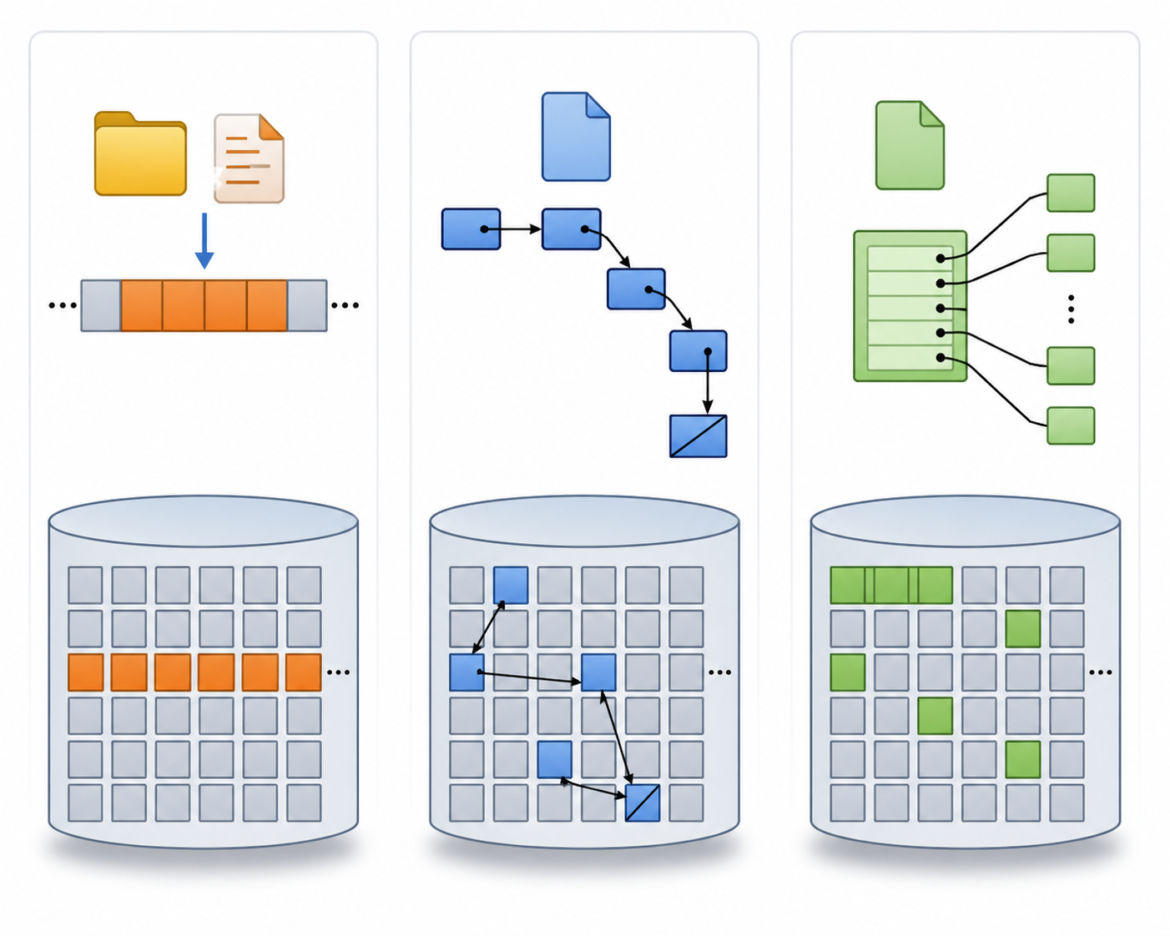
File Allocation Methods: The Backbone of Data Storage

Every file stored on a computer occupies space on a storage device such as a hard disk or SSD. But have you ever wondered how the operating system keeps track of where each file is stored? This is where file allocation methods come into play. These methods define how files ...

todayMay 25, 2026

close

Blog Neerav Jindal

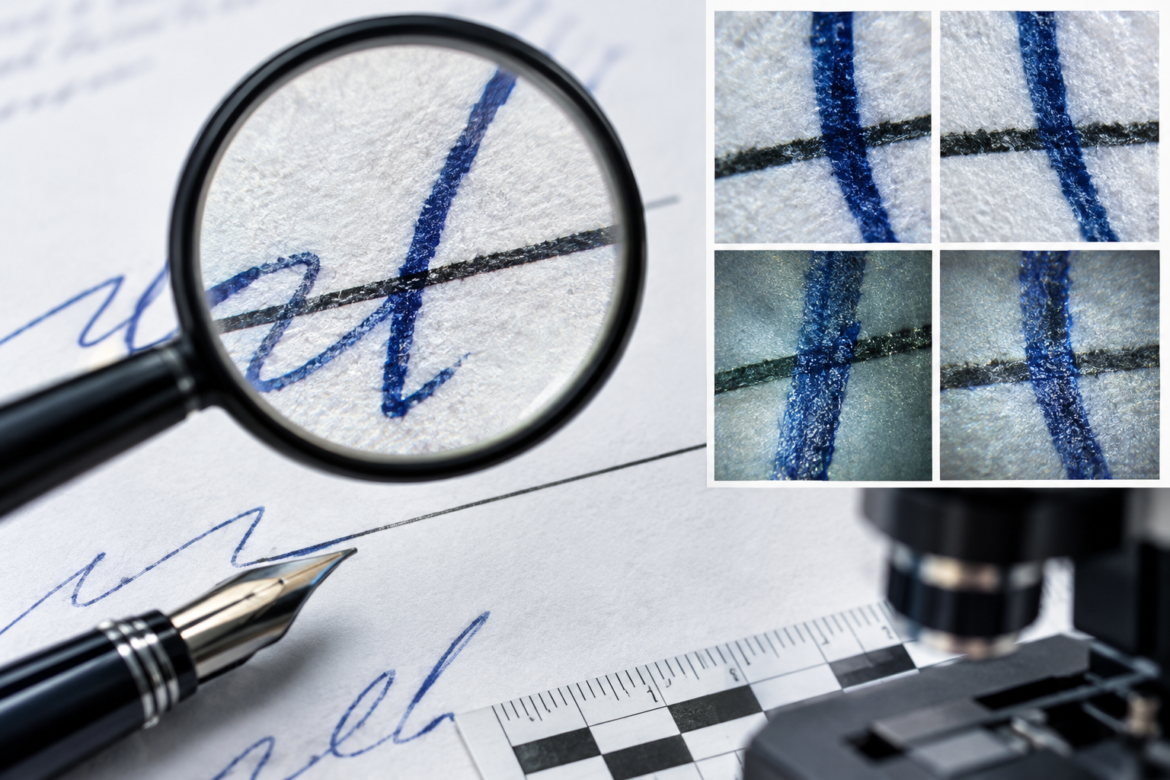
Photomicrography vs Microphotography: What’s the Difference?

In forensic science, precision documentation plays a critical role in evidence examination and courtroom presentation. Two terms often confused in imaging science are photomicrography and microphotography. Although they sound similar, they refer to entirely different processes. Understanding the distinction is essential, especially in questioned document examination, trace evidence analysis, and ...

todayMay 22, 2026

close

Blog Neerav Jindal

MBR vs GPT in Digital Forensics: Understanding Disk Partition Structures

In digital forensics, understanding disk partitioning schemes is essential for accurate evidence acquisition, analysis, and recovery. Two of the most common partitioning standards encountered during forensic investigations are MBR (Master Boot Record) and GPT (GUID Partition Table). Although both define how data is organized on storage devices, they differ significantly ...

todayMay 19, 2026

close

General Forensics + Document Analysis Neerav Jindal

Counterfeit Currency Detection Techniques: How Experts Identify Fake Notes

Counterfeit currency remains one of the most persistent financial crimes worldwide. Fake banknotes not only cause economic losses but also undermine trust in national financial systems. To combat this, forensic experts, financial institutions, and law enforcement agencies use advanced counterfeit currency detection techniques to distinguish genuine notes from fraudulent ones. ...

todayMay 19, 2026

close

Blog + Mobile Forensic + Computer Forensics + Digital Forensics Neerav Jindal

Anti-Forensics Techniques Criminals Use

In today’s digital world, criminals are becoming increasingly sophisticated in hiding their tracks. As forensic experts develop advanced tools to recover and analyze evidence, offenders respond with anti-forensics techniques—methods specifically designed to obstruct digital investigations. Anti-forensics is the practice of manipulating, concealing, or destroying digital evidence to make forensic analysis ...