
Forensic Science

59 Results / Page 1 of 7

Background

todayOctober 1, 2026

close

Blog Mudita

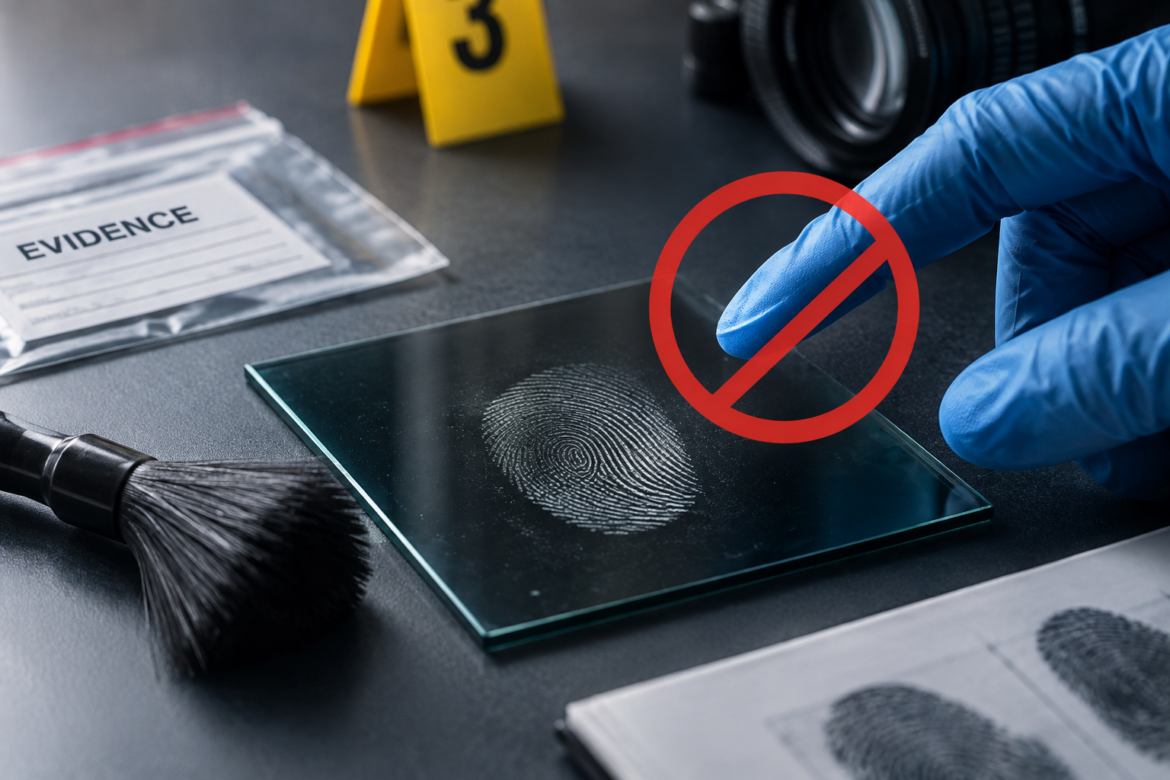
10 Things You Should Never Do With a Fingerprint Evidence

Fingerprints can provide valuable evidence during a forensic investigation. A single latent fingerprint recovered from a surface may help investigators associate a person with an object or location. However, fingerprint evidence can easily be damaged, contaminated, or lost if it is not handled correctly. Whether the evidence is collected from ...
todaySeptember 18, 2026

close

Blog + General Forensics + Document Analysis Neerav Jindal

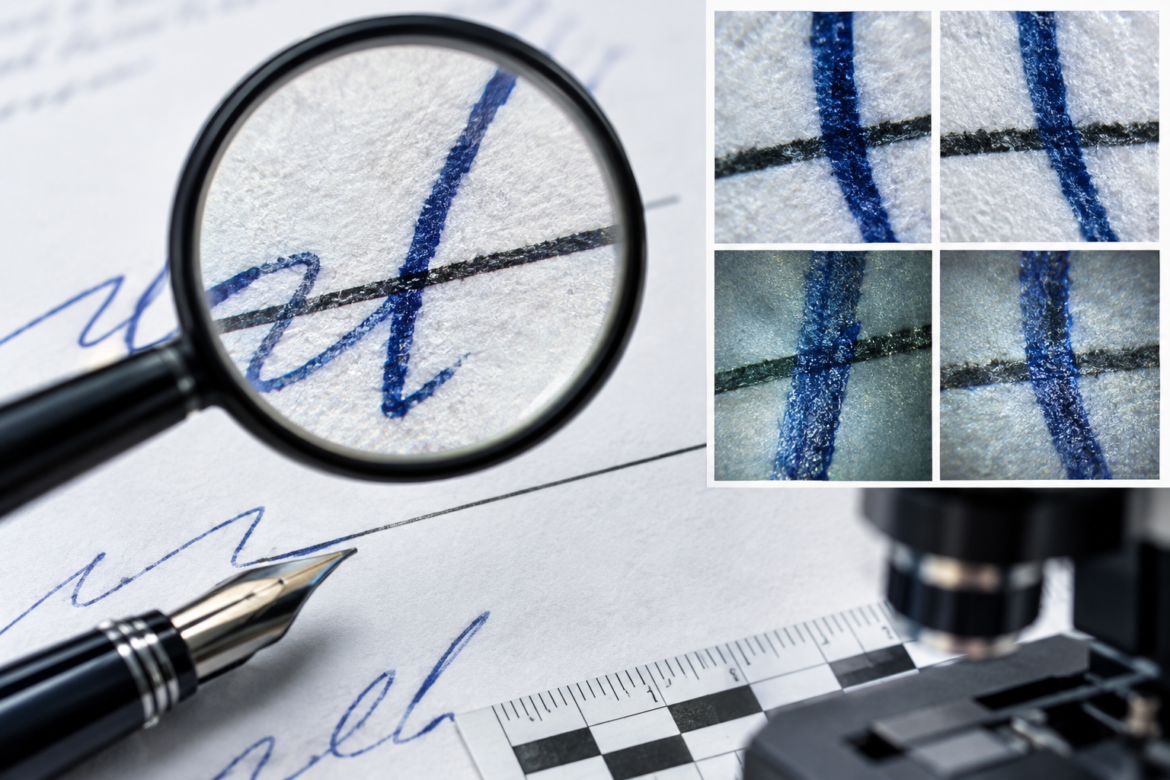
Sequence of Strokes Examination

Determining Which Stroke Came First In questioned document examination, small details can reveal important information about how a document was created. Sequence of strokes examination is one such technique. It helps forensic document examiners assess the relative order in which two or more intersecting strokes were produced. For example, a ...

todayAugust 13, 2026

close

Blog vanshika

Can Burnt or Damaged Documents Still Provide Evidence?

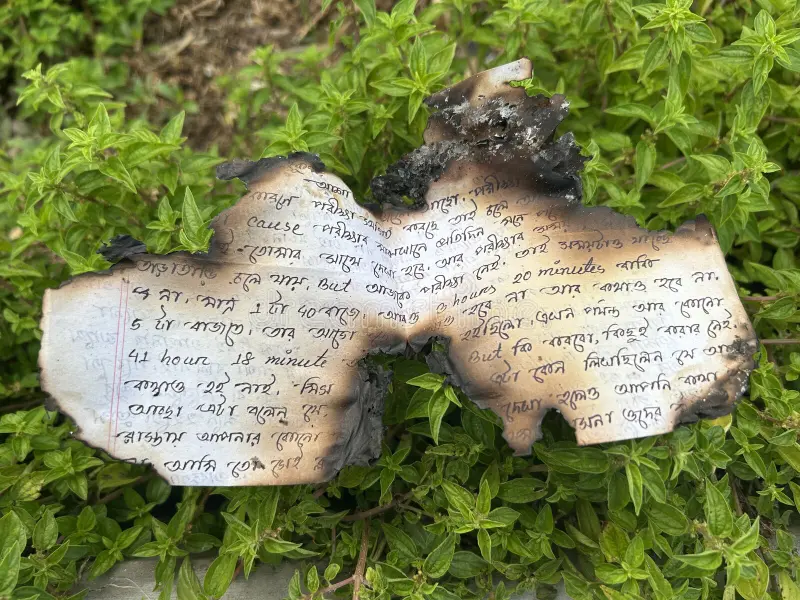
When a document is burned, torn, soaked, faded, or otherwise damaged, it may appear that its evidentiary value has been destroyed. In reality, forensic document examination can sometimes recover surprisingly useful information from documents that have suffered severe damage. Even when words are no longer clearly visible, traces of ink, ...

todayAugust 12, 2026

close

Blog vanshika

Can You Erase the Evidence? The Forensic Science of Erased Documents

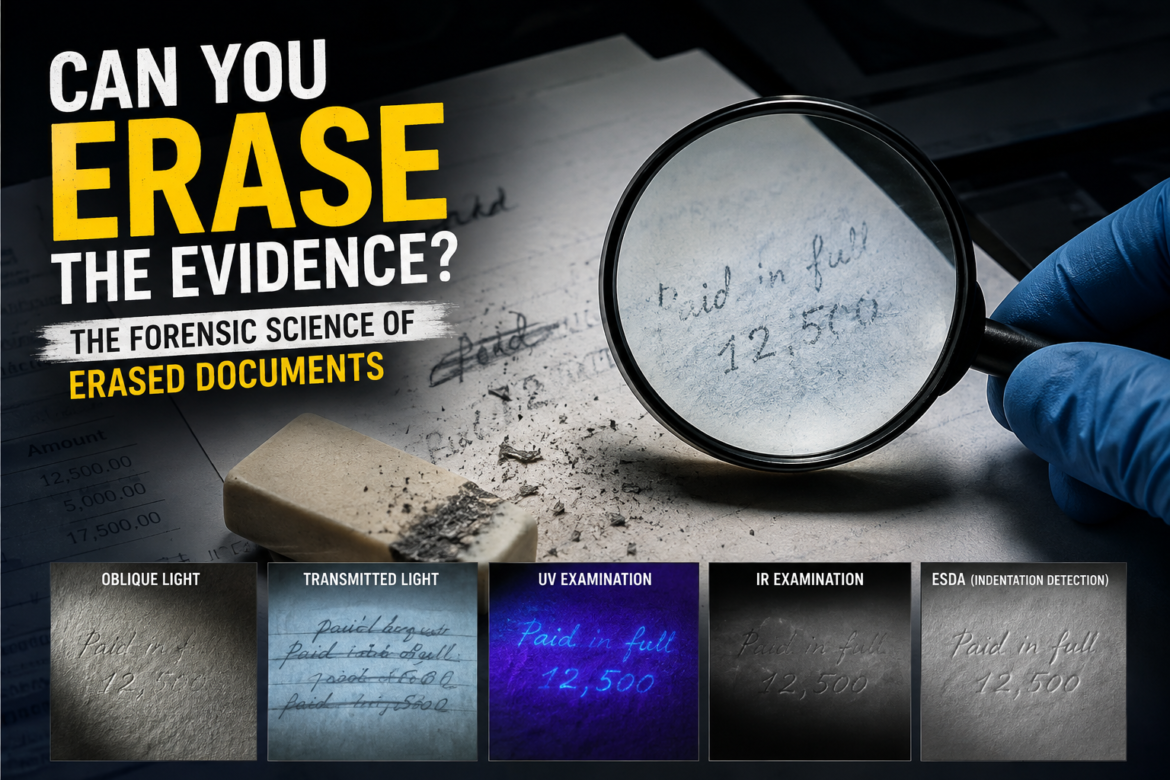
A document may look clean, altered, or partially erased to the naked eye, but that does not necessarily mean the original information is gone. In forensic document examination, even an apparently blank or modified area can contain valuable clues about what was written or printed there before. This is why ...

todayAugust 12, 2026

close

Blog vanshika

Can You Identify a Fake Document Without Seeing the Original?

A document can look perfectly genuine at first glance and still contain subtle signs of manipulation. Altered signatures, modified dates, copied seals, inconsistent fonts, and digitally edited text can all turn an authentic-looking document into a questionable one. But what happens when a forensic examiner does not have the original ...

todayAugust 10, 2026

close

Blog vanshika

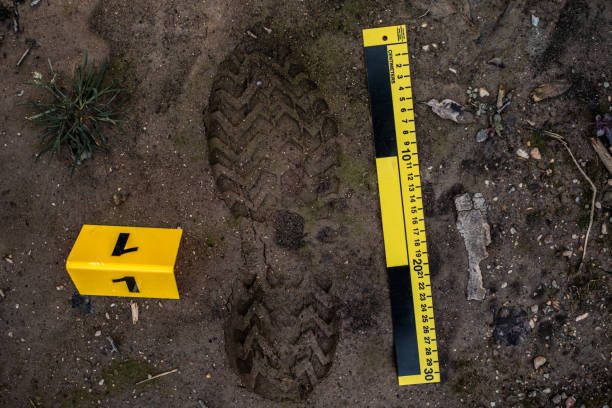
How Footprints Reveal More Than Shoe Size

When investigators find a footprint at a crime scene, it may look like nothing more than a mark left behind by a shoe. But to a forensic examiner, that impression can contain a surprising amount of information. A footprint can help investigators understand what type of footwear was used, how ...

todayAugust 7, 2026

close

Blog vanshika

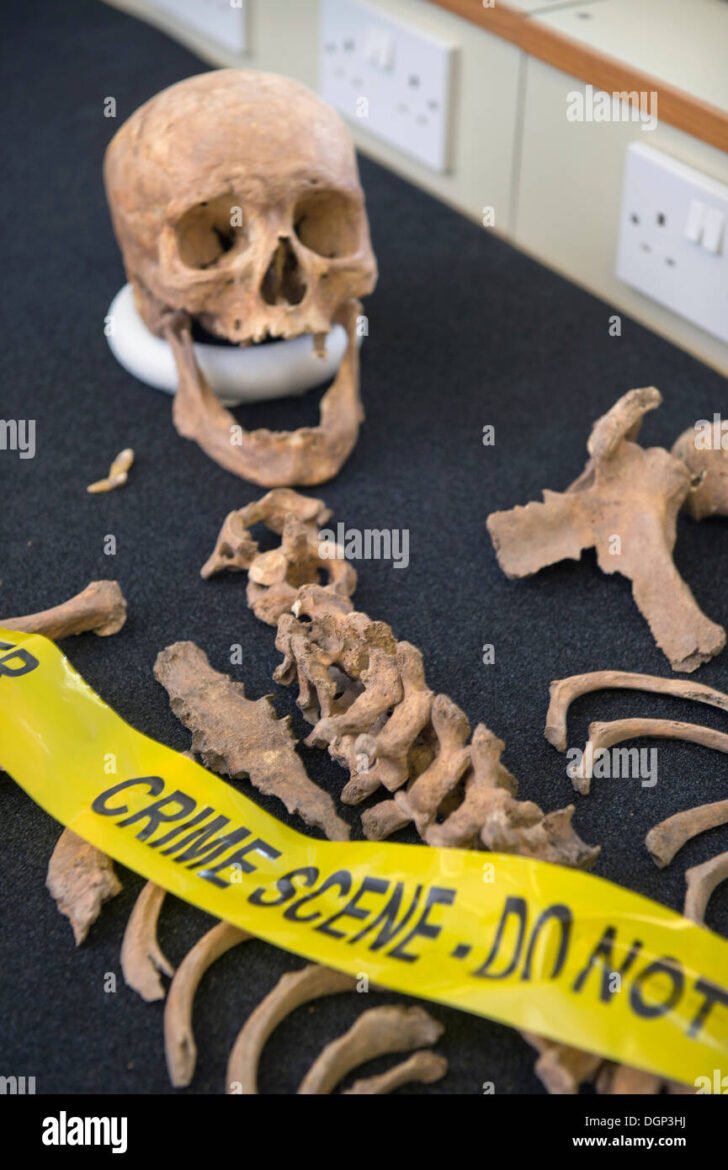
Forensic Anthropology: How Science Helps Identify the Dead

Forensic anthropology is a specialized branch of forensic science that applies the principles of physical anthropology and human skeletal biology to legal investigations. When a body is decomposed, burned, fragmented, or reduced to skeletal remains, traditional methods of identification such as facial recognition may no longer be possible. In such ...