
Digital forensics

86 Results / Page 1 of 10

Background

todayOctober 6, 2026

close

Blog Mudita

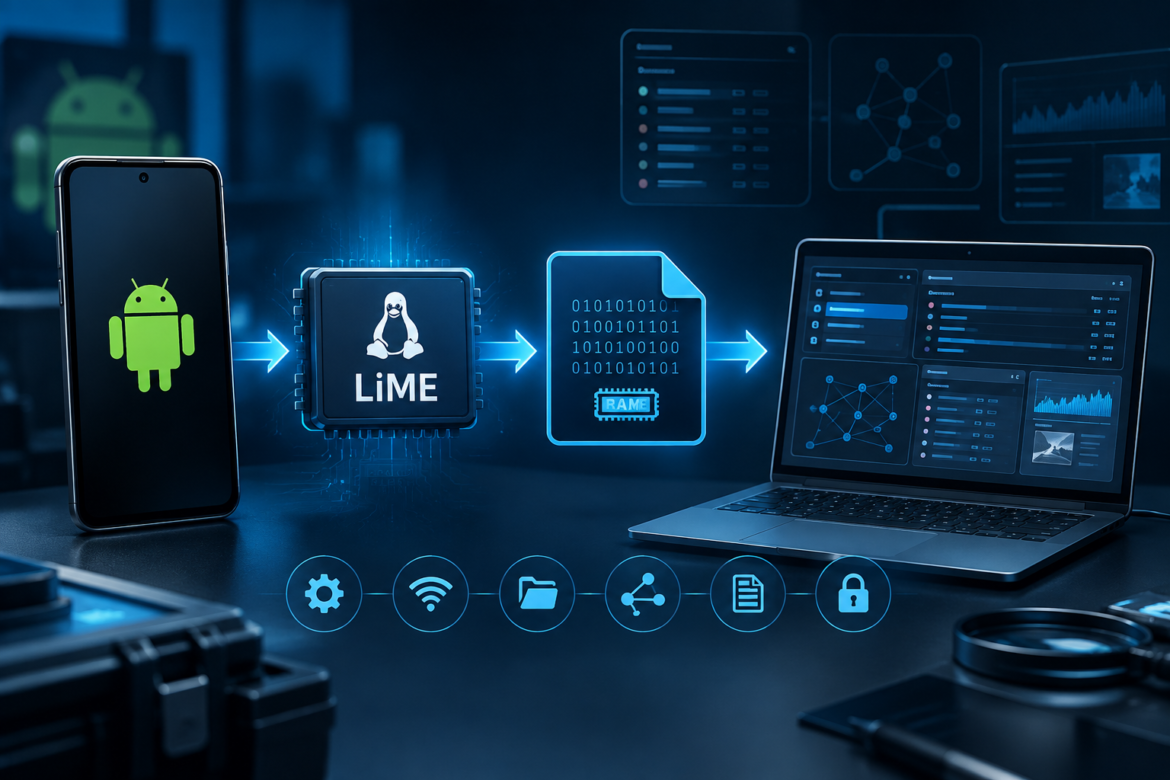
Android RAM Forensics with LiME (Linux Memory Extractor)

In digital forensics, data stored on a device is not limited to files, databases, photographs, messages, or application records. Volatile memory, commonly known as RAM, can also contain valuable forensic evidence that may disappear when a device is powered off or restarted. Android RAM forensics focuses on acquiring and analysing ...
todaySeptember 21, 2026

close

Blog + Computer Forensics + digital forensic + Digital Forensics + Email forensics Neerav Jindal

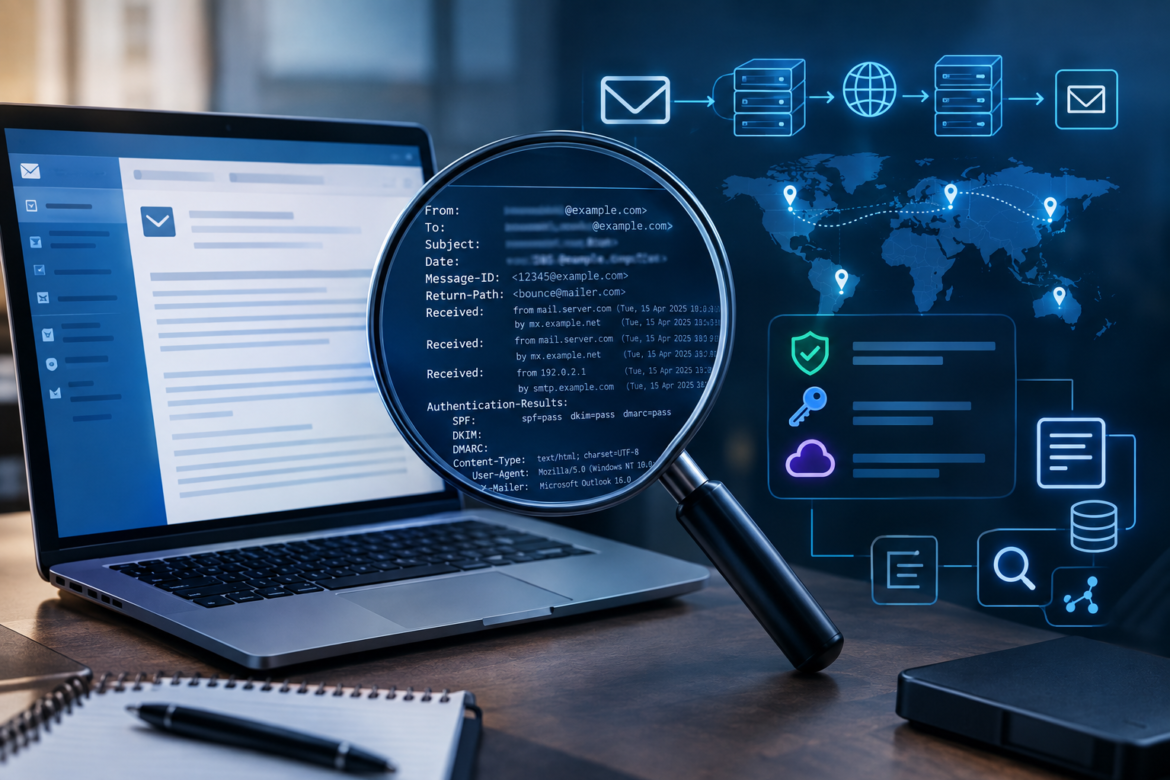
Email Headers in Digital Forensics

What Information Do Email Headers Contain? Introduction An email may look like a simple message containing a sender, recipient, subject, and timestamp. However, behind this visible information is a larger set of technical data known as the email header. In digital forensics, email headers can provide valuable information about how ...

todaySeptember 9, 2026

close

Computer Forensics + Digital Forensics Neerav Jindal

Amcache, Shimcache & UserAssist: Windows Forensic Artifacts

Windows computers leave behind many digital traces during normal use. These traces can help forensic investigators understand which applications existed on a system and identify evidence related to user activity. Among the most important Windows forensic artifacts are Amcache, Shimcache, and UserAssist. Each artifact records different information. Therefore, investigators must ...

todaySeptember 5, 2026

close

Digital Forensics Neerav Jindal

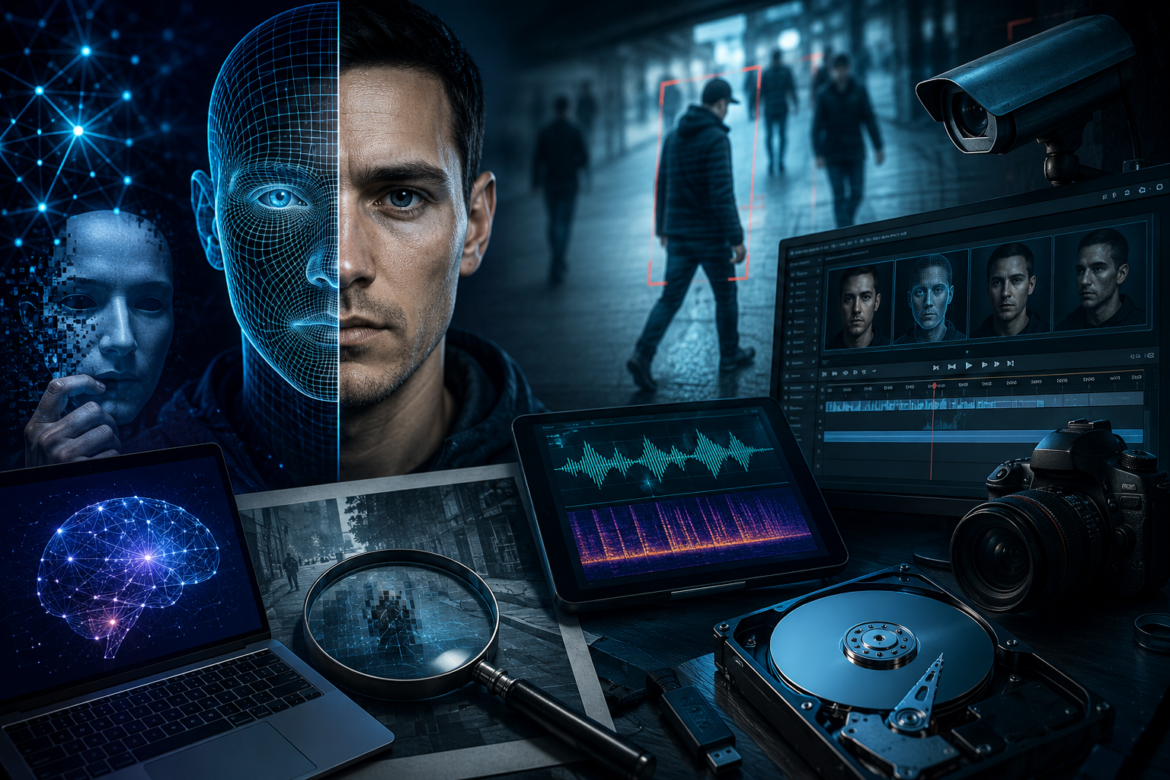
AI-Generated Evidence: How Forensic Investigators Can Detect Deepfakes

Artificial intelligence is changing how digital content is created, manipulated, and distributed. Today, realistic photographs, videos, voices, documents, and even conversations can be generated or altered using AI within minutes. For digital forensic investigators, this creates an important question: How can investigators determine whether digital evidence is genuine, manipulated, or ...

todayAugust 14, 2026

close

Data Recovery Ayushi Agrawal

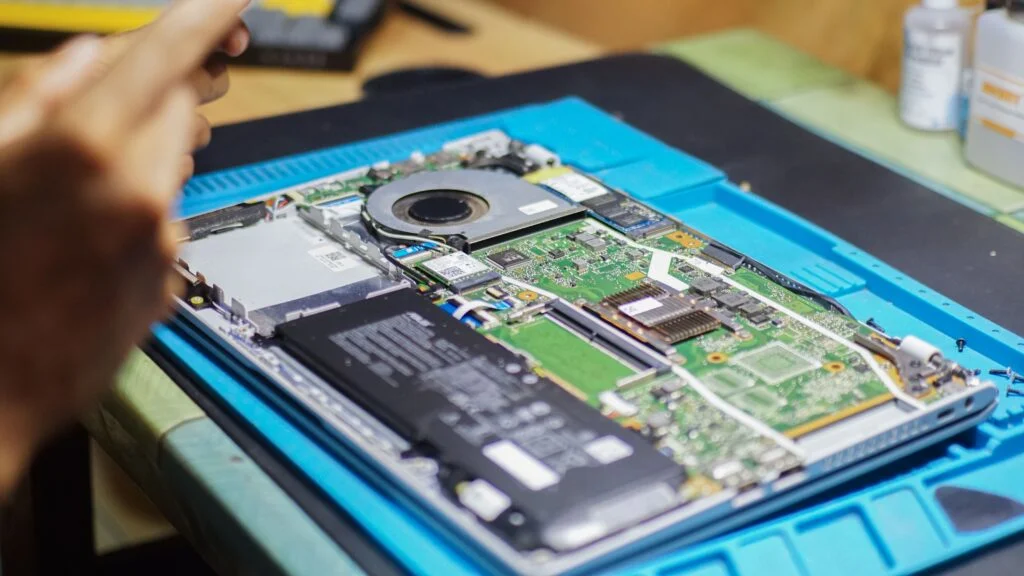
Data Recovery from Laptops and Corrupted Files: A Forensic Approach

When important files suddenly disappear, a laptop stops booting, or a document becomes corrupted, the first reaction is often to try recovery software or repeatedly open and repair the file. However, in situations involving valuable business information, legal evidence, or suspected cybercrime, data recovery should be approached carefully and systematically. ...

todayAugust 12, 2026

close

Blog vanshika

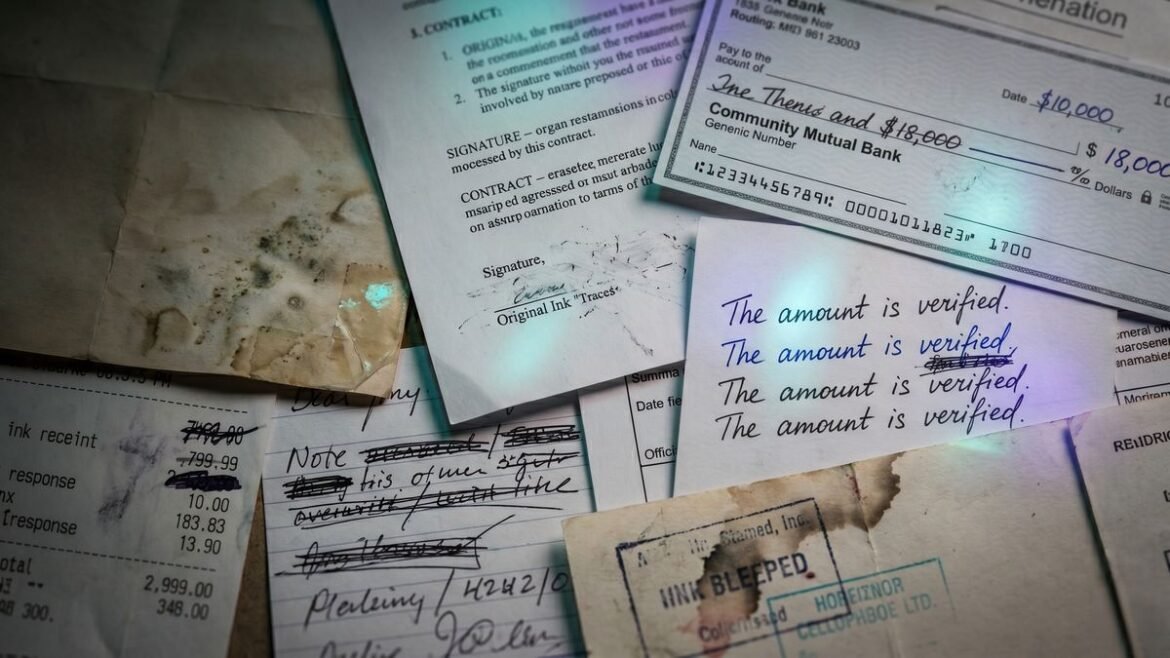
Can You Identify a Fake Document Without Seeing the Original?

A document can look perfectly genuine at first glance and still contain subtle signs of manipulation. Altered signatures, modified dates, copied seals, inconsistent fonts, and digitally edited text can all turn an authentic-looking document into a questionable one. But what happens when a forensic examiner does not have the original ...

todayJuly 20, 2026

close

Blog Harinandhan A S

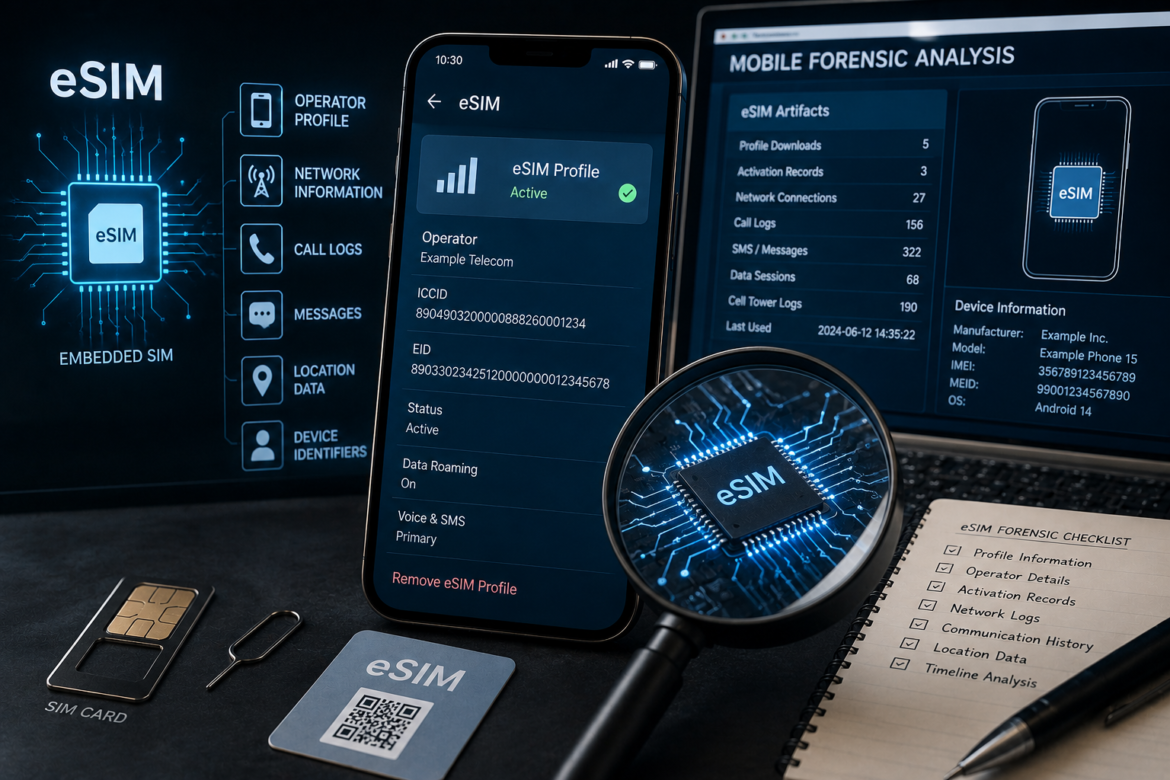
eSIM Forensics: Hidden Evidence Beyond Traditional SIM Cards

Have you ever wondered where digital evidence exists when a smartphone no longer contains a physical SIM card? As mobile technology continues to evolve, traditional SIM cards are gradually being replaced by embedded SIMs, commonly known as eSIMs. Although they improve convenience and security, they also introduce new challenges for ...

todayJuly 17, 2026

close

Blog Admin

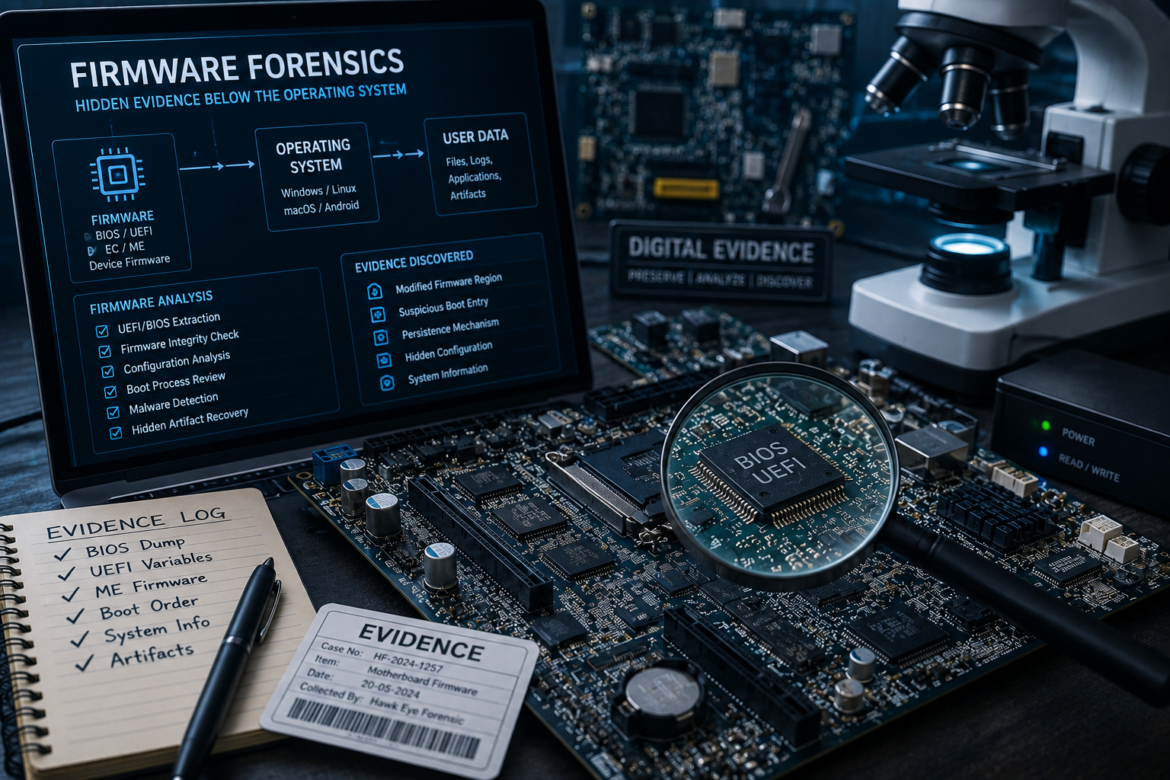
Firmware Forensics: Hidden Evidence Below the Operating System

When people think about digital forensic investigations, they often focus on files, emails, browser history, or deleted data stored on a device. However, valuable digital evidence can exist much deeper within a system. Hidden beneath the operating system lies firmware—a critical component that controls how hardware communicates with software. Firmware ...