Forensic Investigation

38 Results / Page 1 of 5

Background

todayAugust 13, 2026

close

Blog vanshika

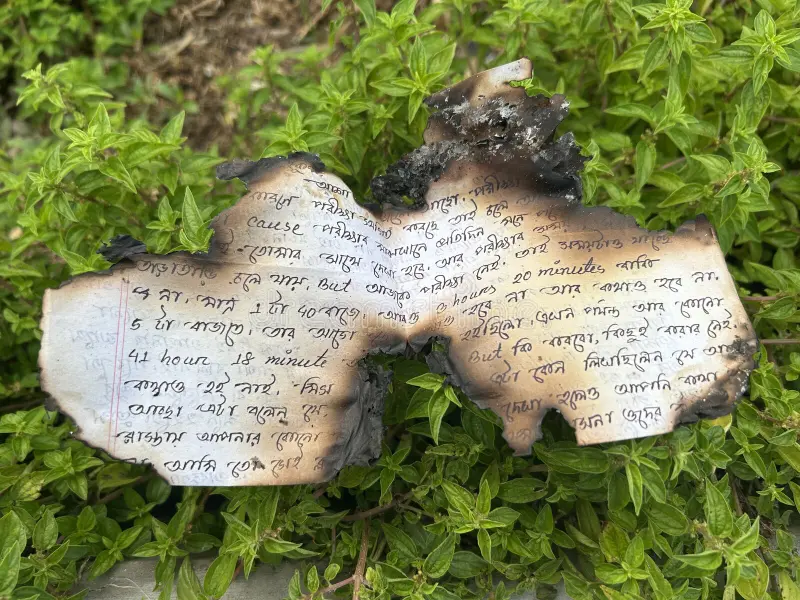
Can Burnt or Damaged Documents Still Provide Evidence?

When a document is burned, torn, soaked, faded, or otherwise damaged, it may appear that its evidentiary value has been destroyed. In reality, forensic document examination can sometimes recover surprisingly useful information from documents that have suffered severe damage. Even when words are no longer clearly visible, traces of ink, ...

todayAugust 12, 2026

close

Blog vanshika

Can You Identify a Fake Document Without Seeing the Original?

A document can look perfectly genuine at first glance and still contain subtle signs of manipulation. Altered signatures, modified dates, copied seals, inconsistent fonts, and digitally edited text can all turn an authentic-looking document into a questionable one. But what happens when a forensic examiner does not have the original ...

todayAugust 10, 2026

close

Blog vanshika

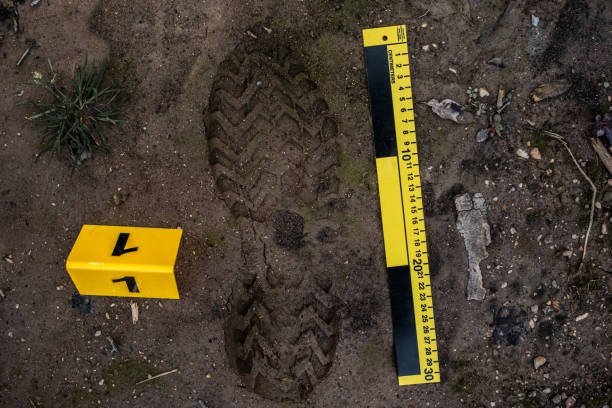
How Footprints Reveal More Than Shoe Size

When investigators find a footprint at a crime scene, it may look like nothing more than a mark left behind by a shoe. But to a forensic examiner, that impression can contain a surprising amount of information. A footprint can help investigators understand what type of footwear was used, how ...

todayAugust 7, 2026

close

Blog vanshika

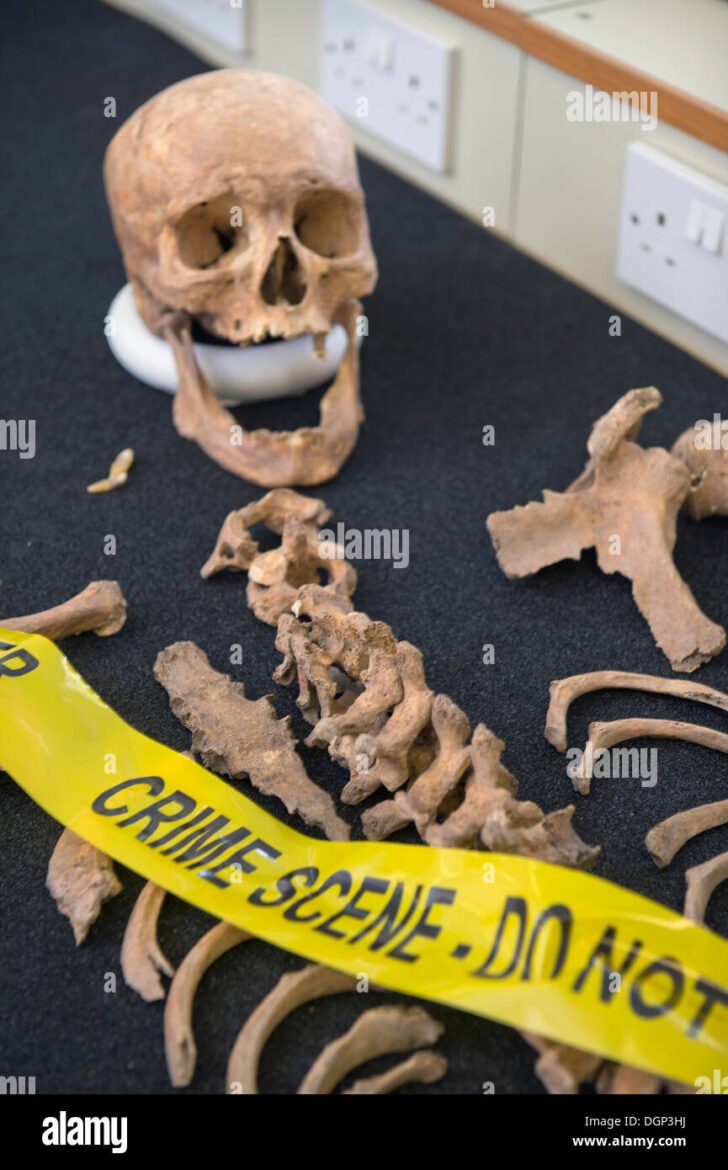
Forensic Anthropology: How Science Helps Identify the Dead

Forensic anthropology is a specialized branch of forensic science that applies the principles of physical anthropology and human skeletal biology to legal investigations. When a body is decomposed, burned, fragmented, or reduced to skeletal remains, traditional methods of identification such as facial recognition may no longer be possible. In such ...

todayAugust 6, 2026

close

Blog vanshika

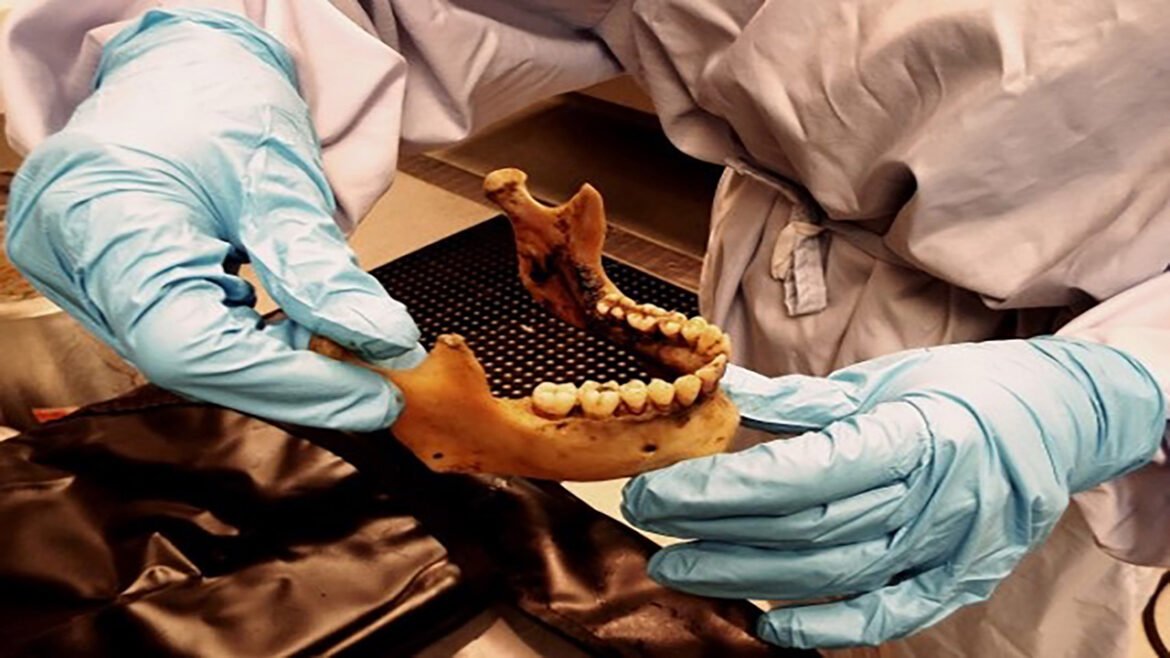
Forensic Odontology: How Teeth Help Identify the Unknown

In forensic investigations, identifying an unknown individual is one of the most important steps in solving a case. While fingerprints and DNA are among the most commonly used identification methods, there are situations where these techniques are not possible. Severe burns, advanced decomposition, mass disasters, or skeletal remains may leave ...

todayJuly 23, 2026

close

Blog Admin

UV 365 vs 395 for Fingerprints

Ultraviolet (UV) light is one of the most valuable tools in modern forensic investigations. From detecting latent fingerprints to revealing biological stains and examining questioned documents, UV light helps investigators uncover evidence that is invisible under normal lighting conditions. However, not all UV lights perform the same way. Two of ...

todayJuly 17, 2026

close

Blog vanshika

Can Forensic Science Be Wrong? Understanding Its Limitations

Introduction Forensic science has become synonymous with solving crimes. Thanks to television shows, movies, and news reports, many people believe forensic evidence is always accurate, objective, and impossible to challenge. Fingerprints identify the culprit, DNA never lies, and handwriting analysis always reveals the truth-or so the public perception goes. In ...

todayJuly 10, 2026

close

Blog Harinandhan A S

Audio Forensics: Detecting Edited & Fake Audio

In today’s digital world, audio recordings have become some of the most powerful forms of evidence. From phone conversations and WhatsApp voice notes to CCTV recordings and hidden microphones, audio files often play a crucial role in criminal investigations, corporate disputes, legal proceedings, and media verification. But a recording is ...