
Electronic Evidence

10 Results / Page 1 of 2

Background

todayJuly 20, 2026

close

Blog Harinandhan A S

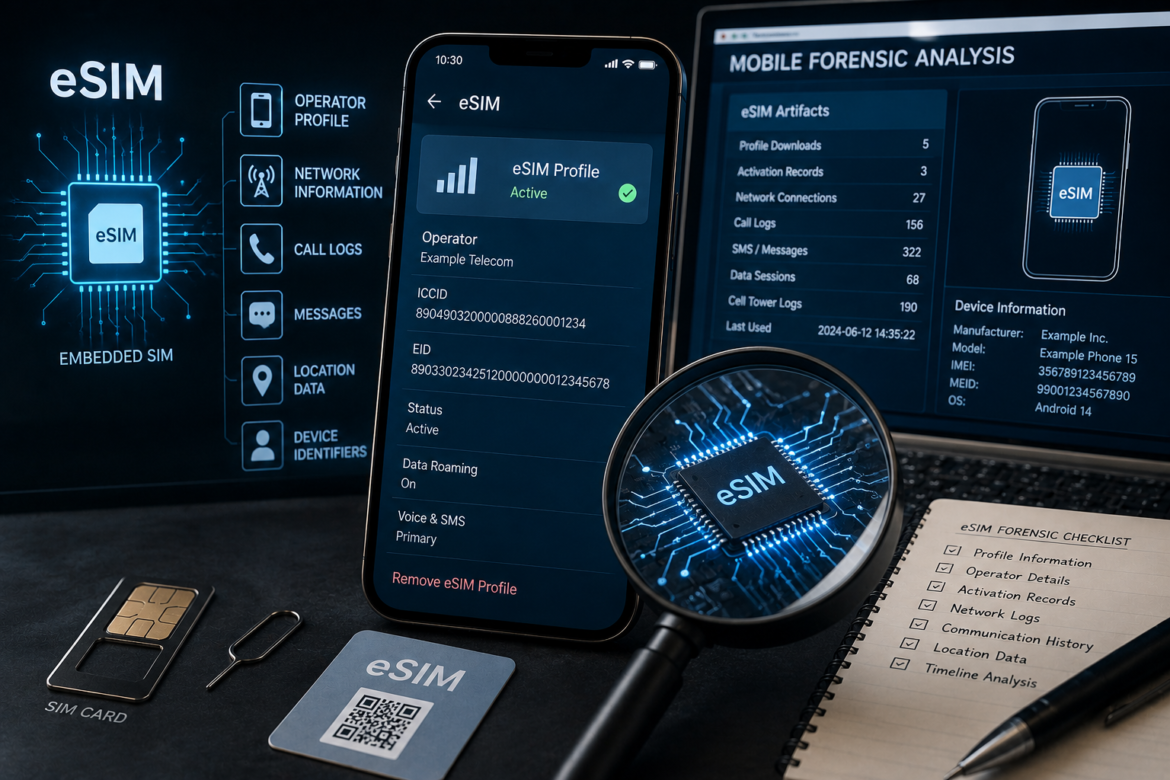
eSIM Forensics: Hidden Evidence Beyond Traditional SIM Cards

Have you ever wondered where digital evidence exists when a smartphone no longer contains a physical SIM card? As mobile technology continues to evolve, traditional SIM cards are gradually being replaced by embedded SIMs, commonly known as eSIMs. Although they improve convenience and security, they also introduce new challenges for ...
todayJuly 17, 2026

close

Blog Admin

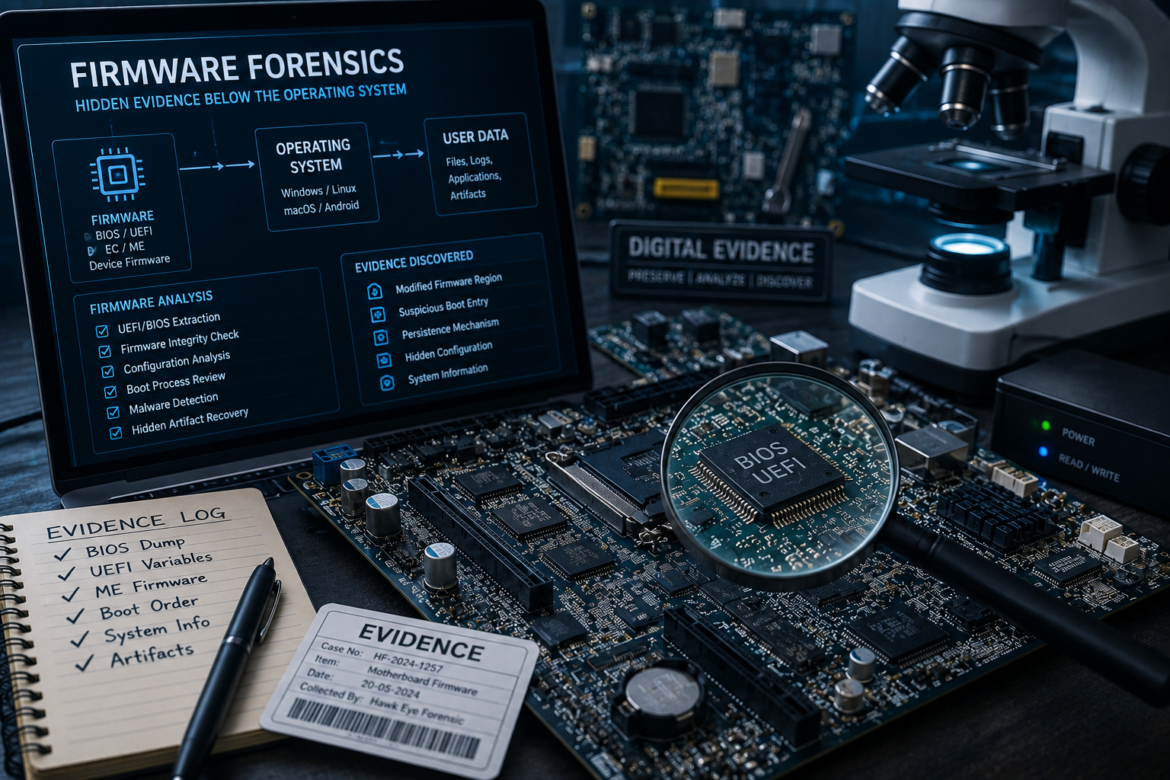
Firmware Forensics: Hidden Evidence Below the Operating System

When people think about digital forensic investigations, they often focus on files, emails, browser history, or deleted data stored on a device. However, valuable digital evidence can exist much deeper within a system. Hidden beneath the operating system lies firmware—a critical component that controls how hardware communicates with software. Firmware ...

todayJuly 16, 2026

close

Blog Admin

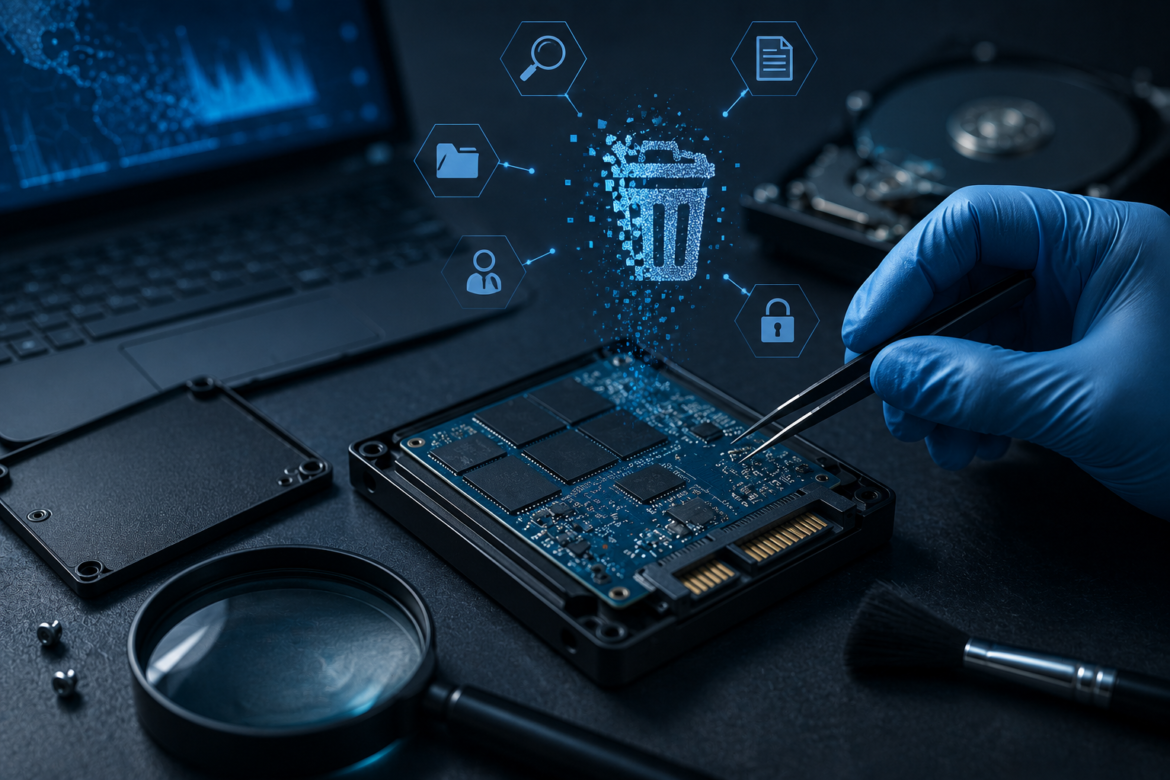
SSD Forensics: Why Recovering Deleted Data Is Becoming More Difficult

Have you ever wondered why recovering deleted files from modern devices has become increasingly difficult? The answer often lies in the type of storage technology being used. Today, most laptops, desktops, and smartphones rely on Solid-State Drives (SSDs) because they offer faster performance, improved reliability, and lower power consumption. However, ...

Blog Harinandhan A S / July 15, 2026

VPN Proxy Forensics: Identifying Hidden User Activity

Have you ever wondered whether a VPN can make someone completely anonymous online? Many people believe that VPNs and proxy services remove every digital footprint. However, that is not always true. VPN Proxy Forensics helps investigators uncover valuable digital evidence that may remain on devices, networks, and applications. VPN Proxy ...

todayJuly 8, 2026

close

Blog Harinandhan A S

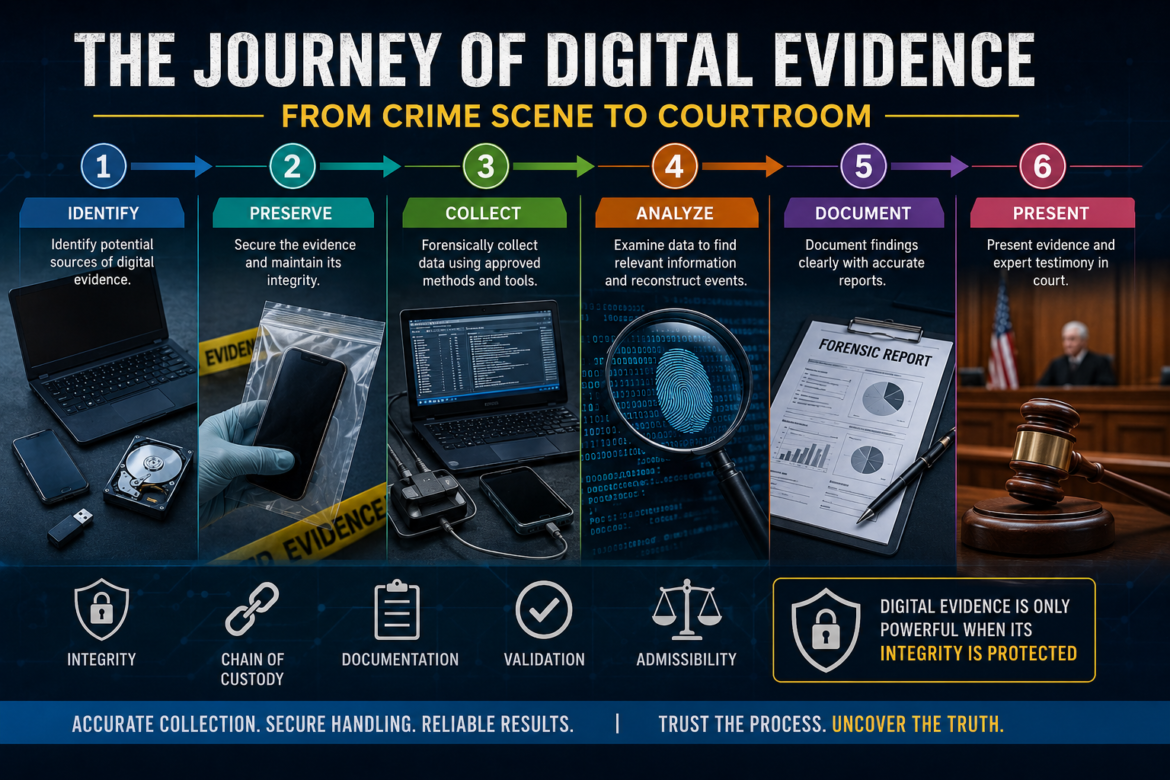
The Journey of Digital Evidence: From Crime Scene to Courtroom

  Every cybercrime investigation begins with a single piece of digital evidence. It may be a smartphone recovered from a suspect, a laptop found at a crime scene, a surveillance video, or an email linked to fraudulent activity. However, collecting digital evidence is only the beginning. To ensure that the ...

todayJune 5, 2026

close

Cyber Forensic + Data forensic + Mobile Forensic + Computer Forensics + Data Recovery + DataRecovery + DeletedDataRecovery + Digital Forensics Harinandhan A S

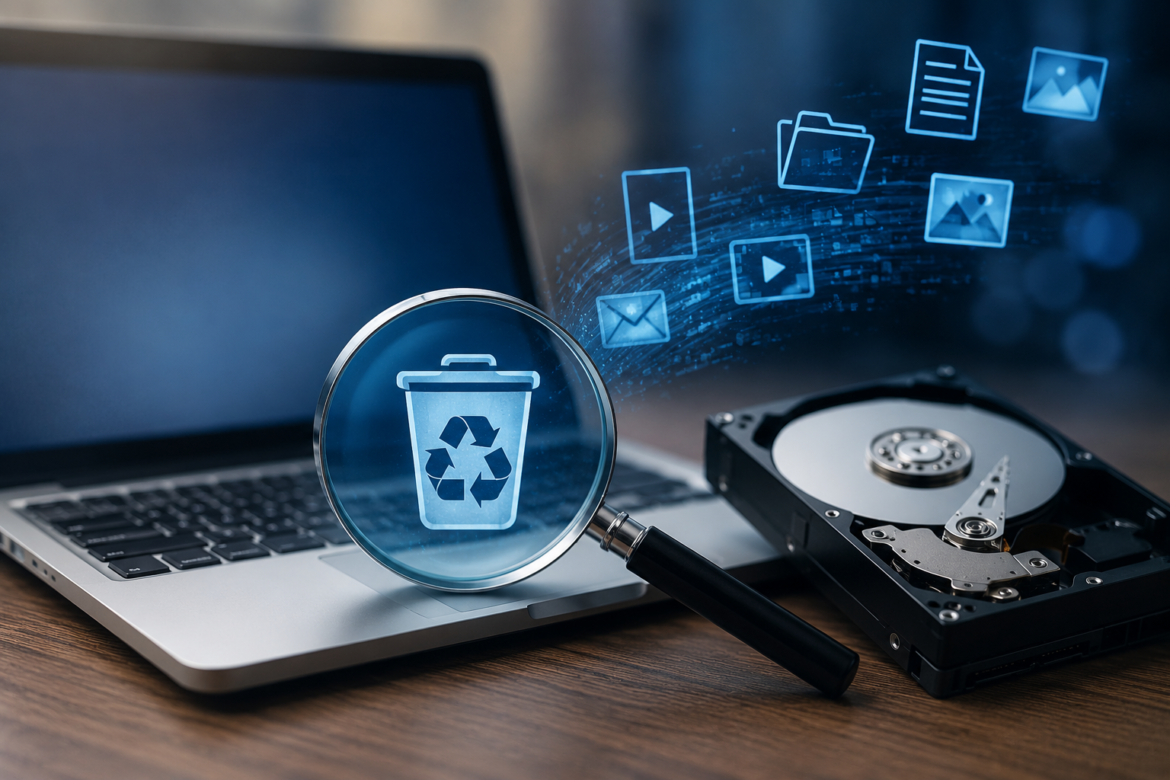
Deleted Data Recovery: Is Your Deleted Information Really Gone?

Introduction Have you ever accidentally deleted an important photo, WhatsApp message, document, or email and wondered whether you could get it back? Many people believe that deleted data disappears forever. However, that is not always true. In many cases, digital forensic experts can recover deleted information using specialized tools and ...

todayJune 2, 2026

close

Blog + Mobile Forensic + Cybersecurity + Digital Forensics Harinandhan A S

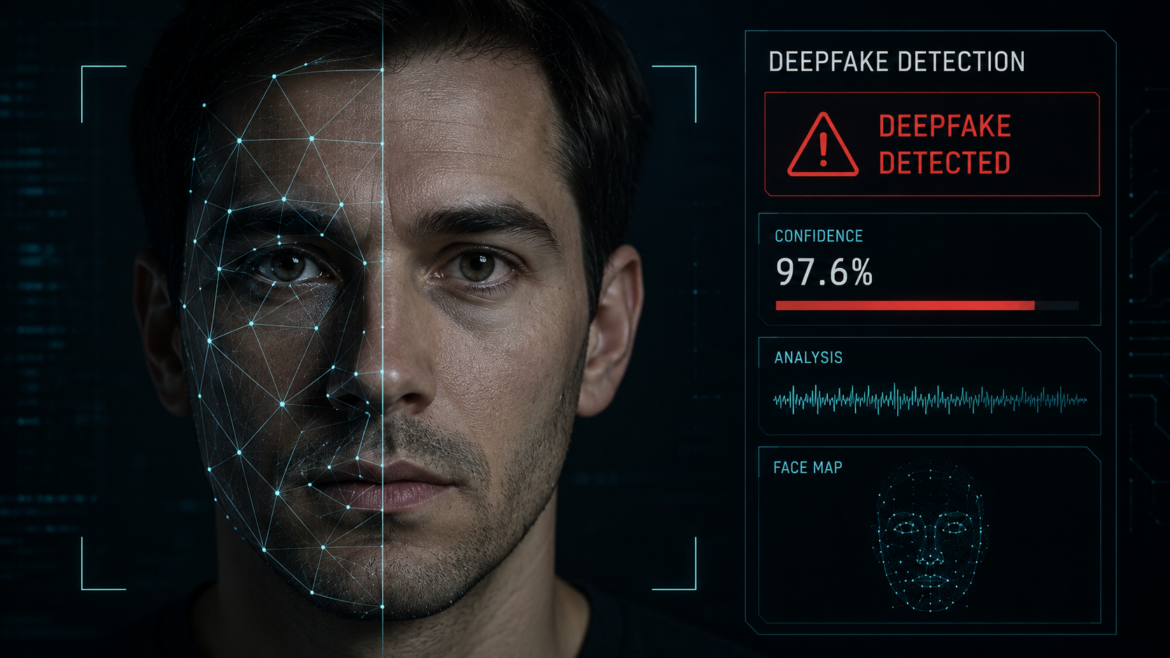
Deepfake Forensic Analysis: Detecting AI-Generated Fake Media

Introduction Deepfake forensic analysis has become essential in modern digital investigations. Artificial Intelligence (AI) has revolutionized the way digital content is created and consumed, but it has also enabled the creation of highly realistic deepfakes. Detecting manipulated videos, images, and audio recordings now requires advanced forensic techniques and specialized expertise. ...

todayMay 8, 2026

close

Mobile Forensic + Digital Forensics + Data Recovery + HardDriveRecovery Neerav Jindal

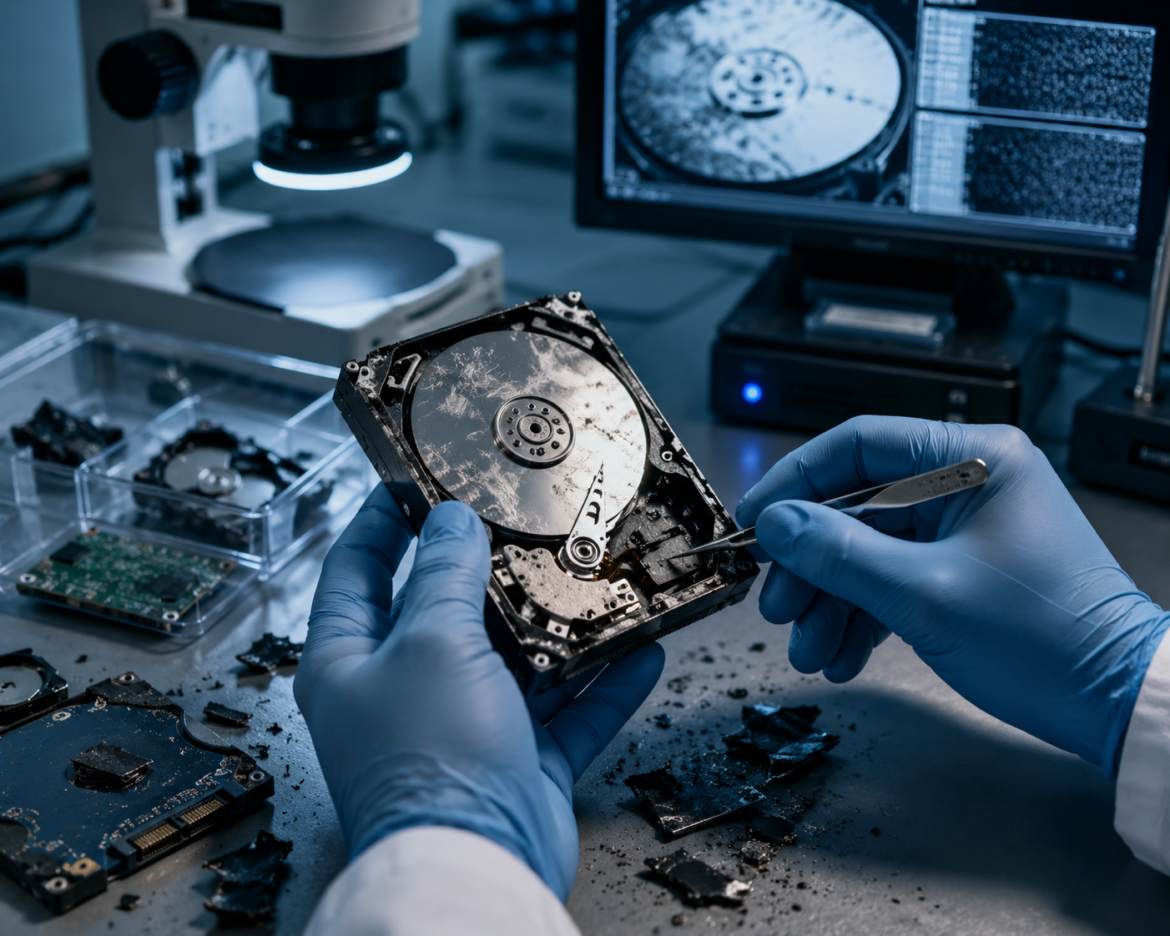
Recovering Evidence from Damaged Storage Devices

Digital evidence is often stored on fragile media that can be physically damaged, electronically corrupted, or intentionally destroyed. In many investigations, storage devices arrive in conditions far from ideal — burnt in fires, submerged in water, crushed during accidents, or deliberately tampered with to prevent data recovery. Despite these challenges, ...

todayJanuary 13, 2024

close

Digital Forensic Glossary

Digital Forensic Glossary

A Driver A group of files that enable one or more hardware devices to communicate with the computer’s operating system. Without drivers, the computer would not be able to send and receive data correctly to hardware devices, such as a printer. A Message Digest Algorithm 5 (MD5) Hash An algorithm ...