
VANSHIKA

18 Results / Page 1 of 2

Background

todayJune 11, 2026

close

Blog vanshika

What Happens During the First Hour of a Crime Scene Investigation?

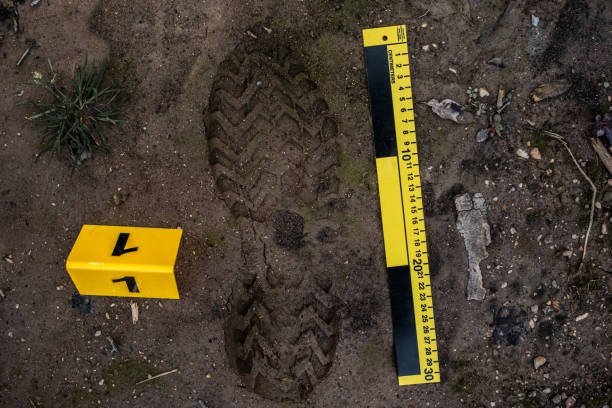
Introduction The first hour after a crime scene is discovered is often referred to as the “golden hour” of investigation. During this critical period, investigators work quickly to secure, assess, document, and preserve evidence before it can be altered, contaminated, or destroyed. The actions taken in these first sixty minutes ...

todayJune 4, 2026

close

Blog vanshika

Security Features of Bank Cheques

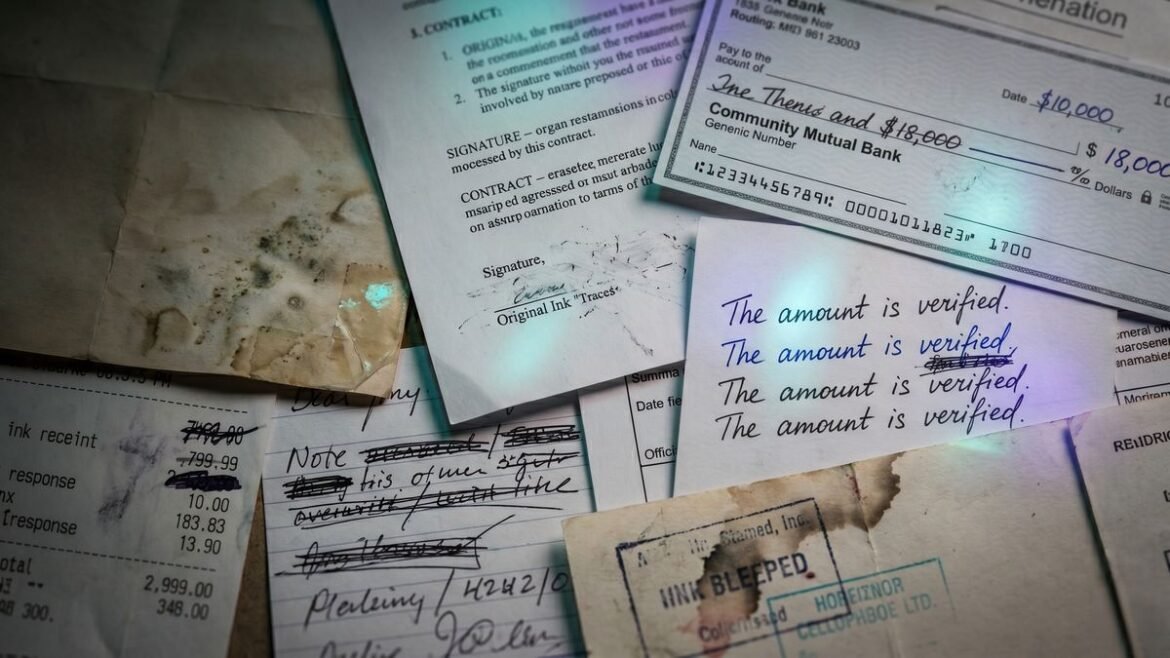
Security Features of Bank Cheques: How Modern Cheques Prevent Fraud Introduction Despite the rapid growth of digital banking and online payments, bank cheques continue to play an important role in financial transactions across the world. Businesses, government organizations, and individuals still rely on cheques for various payments due to their ...

todayJune 3, 2026

close

Blog vanshika

Can Handwriting Reveal Personality or Identity?

Introduction Handwriting is one of the most unique forms of human expression. Long before digital communication became dominant, handwritten notes, letters, and signatures were used as primary means of communication and personal identification. Even today, handwriting continues to play a significant role in forensic investigations, legal disputes, and document verification. ...

todayJune 1, 2026

close

Blog vanshika

Challenges in Partial Fingerprint Identification

Introduction Fingerprint identification is one of the most established and widely accepted methods of personal identification in forensic science. The uniqueness and permanence of friction ridge patterns make fingerprints a valuable form of evidence in criminal investigations. However, forensic experts do not always receive complete and clear fingerprint impressions from ...

todayMay 29, 2026

close

Blog vanshika

History and Evolution of Fingerprint Analysis

Introduction  Fingerprint analysis is one of the oldest and most reliable methods of personal identification used in criminal investigations. Every individual possesses unique fingerprint patterns that remain unchanged throughout life, making fingerprints a powerful tool in forensic science. Over centuries, fingerprint analysis has evolved from simple observations of skin patterns ...

todayMay 27, 2026

close

Blog vanshika

Types of Evidence in Criminal Investigations

Introduction In every criminal investigation, evidence plays a crucial role in uncovering the truth, identifying suspects, and ensuring justice. Evidence helps investigators reconstruct events, establish links between victims and suspects, and present reliable facts in court. Without proper evidence, even the most serious crimes can remain unsolved. From fingerprints and ...

todayMay 25, 2026

close

Blog vanshika

The Science Behind Signature Verification

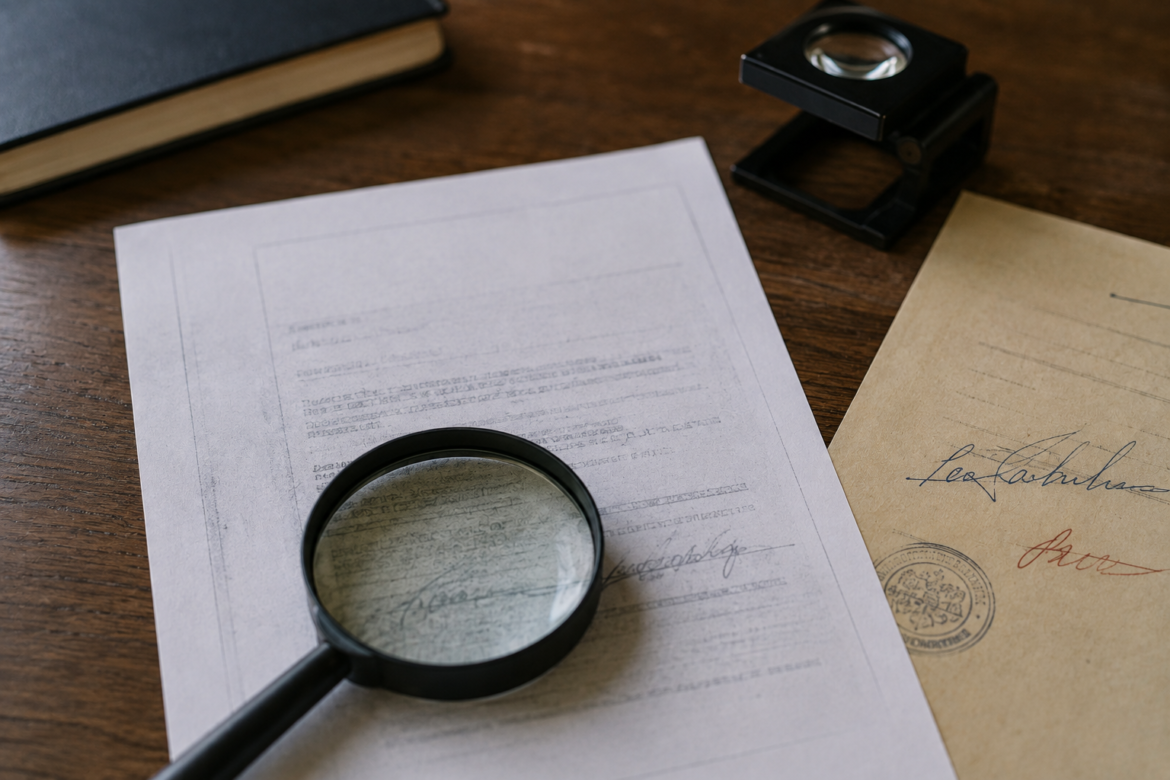
Introduction Signatures have long been used as a symbol of identity, consent, and authorisation. From banking transactions and legal agreements to passports and business contracts, signatures continue to play a vital role in everyday life. However, with the increasing cases of forgery and document fraud, verifying the authenticity of signatures ...

todayMay 23, 2026

close

Blog vanshika

Common Mistakes That Destroy Crime Scene Evidence

Introduction Crime scene evidence plays a crucial role in modern criminal investigations. Every fingerprint, bloodstain, footprint, digital device, or handwritten note collected from a scene has the potential to uncover the truth and help investigators reconstruct events accurately. However, evidence is extremely fragile. A single mistake at the crime scene ...

todayMay 22, 2026

close

Blog vanshika

Digital Dust: The Silent Witness

Introduction Forensic science has traditionally been associated with fingerprints, bloodstains, firearms, and DNA evidence collected from physical crime scenes. However, in the modern digital era, investigators are increasingly encountering a new form of invisible evidence: “digital dust.” Every online action, electronic interaction, deleted file, location ping, and even metadata fragment ...