Blog

193 Results / Page 1 of 22

Background

todayAugust 12, 2026

close

Blog vanshika

Can You Identify a Fake Document Without Seeing the Original?

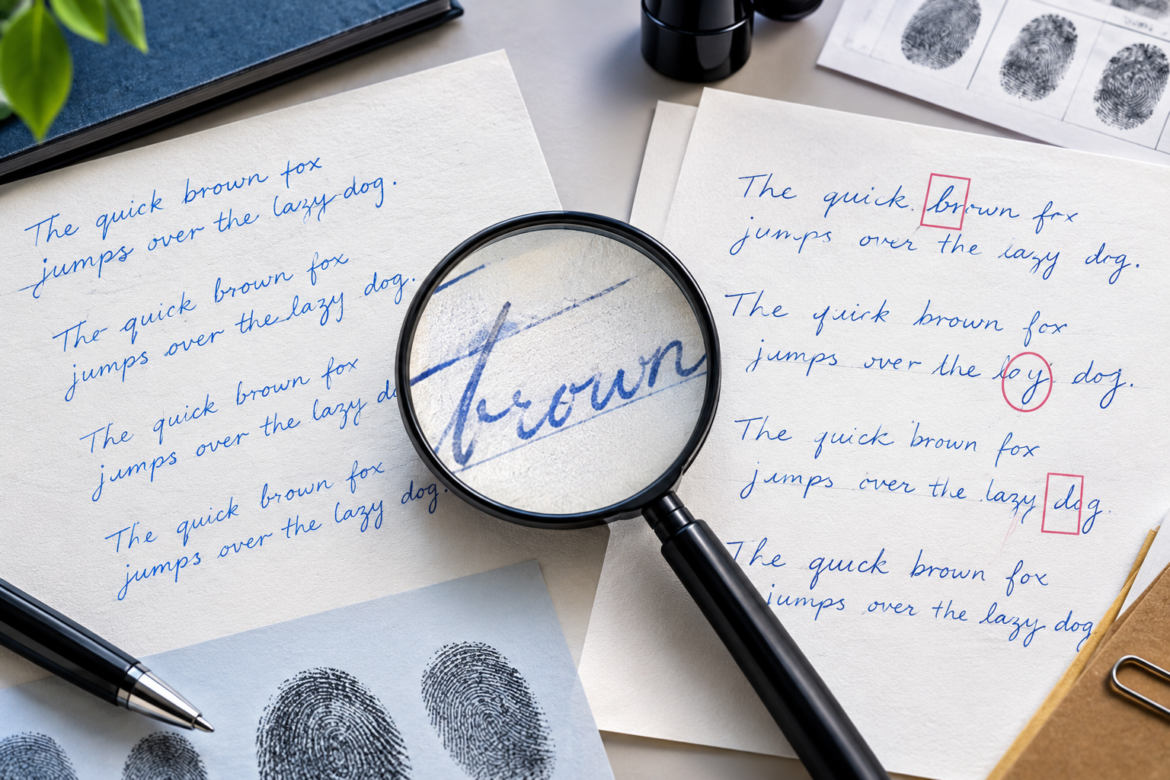
A document can look perfectly genuine at first glance and still contain subtle signs of manipulation. Altered signatures, modified dates, copied seals, inconsistent fonts, and digitally edited text can all turn an authentic-looking document into a questionable one. But what happens when a forensic examiner does not have the original ...

todayAugust 11, 2026

close

Blog Mudita

Is Formatting the Same as Erasing? A Digital Forensics Perspective

When examining a document, changes to the original content can occur in many ways. A person may erase handwriting, alter printed text, overwrite information, change the formatting of a digital document, or modify the appearance of existing content. Although these actions may sometimes produce a similar visual result, formatting is ...

todayAugust 10, 2026

close

Blog Mudita

EXIF Metadata in Photos: What Your Pictures Can Reveal

A photograph may look like nothing more than an image, but digitally it can contain much more information than what is visible to the human eye. Hidden within many image files is EXIF metadata, a form of technical information that can reveal details about how, when, and sometimes where a ...

todayAugust 10, 2026

close

Blog vanshika

How Footprints Reveal More Than Shoe Size

When investigators find a footprint at a crime scene, it may look like nothing more than a mark left behind by a shoe. But to a forensic examiner, that impression can contain a surprising amount of information. A footprint can help investigators understand what type of footwear was used, how ...

todayAugust 7, 2026

close

Blog vanshika

Forensic Anthropology: How Science Helps Identify the Dead

Forensic anthropology is a specialized branch of forensic science that applies the principles of physical anthropology and human skeletal biology to legal investigations. When a body is decomposed, burned, fragmented, or reduced to skeletal remains, traditional methods of identification such as facial recognition may no longer be possible. In such ...

Blog Mudita / August 7, 2026

Is Formatting the Same as Erasing?

Is Formatting the Same as Erasing? Understanding the Difference in Digital Forensics Many people believe that formatting a hard drive, USB drive, or memory card permanently removes all the data stored on it. This is one of the most common misconceptions in digital storage. In reality, formatting and erasing are ...

Blog Mudita / August 6, 2026

Is a Screenshot Admissible in Court as Evidence?

Have you ever taken a screenshot of a threatening message, an online payment, or a WhatsApp chat and wondered if it could be used in court? With so much communication happening online, screenshots have become an important form of digital evidence. They are often used in cases involving cybercrime, fraud, ...

todayAugust 6, 2026

close

Blog vanshika

Forensic Odontology: How Teeth Help Identify the Unknown

In forensic investigations, identifying an unknown individual is one of the most important steps in solving a case. While fingerprints and DNA are among the most commonly used identification methods, there are situations where these techniques are not possible. Severe burns, advanced decomposition, mass disasters, or skeletal remains may leave ...