Introduction
Forensic science has become synonymous with solving crimes. Thanks to television shows, movies, and news reports, many people believe forensic evidence is always accurate, objective, and impossible to challenge. Fingerprints identify the culprit, DNA never lies, and handwriting analysis always reveals the truth-or so the public perception goes.
In reality, forensic science is one of the most powerful tools available to investigators, but it is not infallible. Like any scientific discipline, it has limitations. The accuracy of forensic evidence depends on the quality of the evidence, the methods used, the expertise of the examiner, and the circumstances under which the evidence is collected and analyzed.
Understanding these limitations is essential for investigators, lawyers, judges, students, and even the general public. Recognizing that forensic science is a scientific process -not magic-helps ensure justice is served fairly.
What Is Forensic Science?
Forensic science is the application of scientific principles and techniques to matters involving the law. It assists in criminal investigations, civil disputes, disaster victim identification, and many other legal matters.
Common forensic disciplines include:
- Fingerprint Examination
- DNA Analysis
- Questioned Document Examination
- Digital Forensics
- Toxicology
- Ballistics
- Trace Evidence Analysis
- Crime Scene Investigation
Each discipline follows established scientific procedures, but none can guarantee perfect results in every case.
Why People Believe Forensic Science Is Always Correct
Television dramas often portray forensic experts solving crimes within hours using flawless technology. This phenomenon, often called the “CSI Effect,” has created unrealistic expectations among the public and even some jurors.
In reality:
- Evidence may be incomplete.
- Samples may be contaminated.
- Results often require interpretation.
- Some examinations are probabilistic rather than absolute.
Scientific evidence strengthens investigations—but it rarely tells the entire story on its own.
The Major Limitations of Forensic Science
Quality of Evidence Determines Quality of Results
One of the biggest limitations is that forensic experts can only analyze what is available.
For example:
- A partial fingerprint may lack sufficient ridge details.
- DNA samples may be degraded due to heat, moisture, or time.
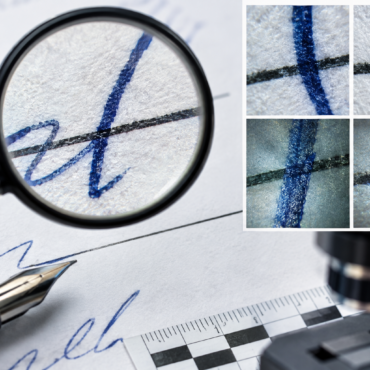
- Handwriting samples may be too limited for reliable comparison.
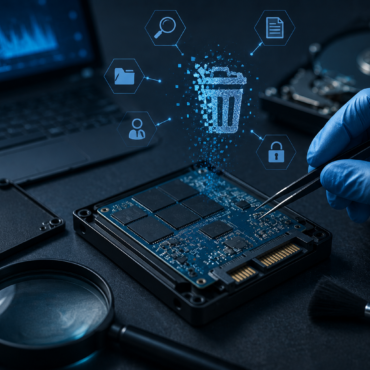
- Digital evidence may be deleted or encrypted.
Poor-quality evidence inevitably limits the reliability of conclusions.
Human Error
Despite technological advances, forensic examinations are still conducted by people.
Errors may occur during:
- Crime scene documentation
- Evidence collection
- Packaging and labeling
- Laboratory analysis
- Interpretation of findings
- Report preparation
Even minor mistakes can significantly affect an investigation if proper quality assurance procedures are not followed.
Contamination of Evidence
Evidence contamination remains one of the greatest challenges in forensic investigations.
Contamination can occur through:
- Improper handling
- Multiple investigators touching evidence
- Poor packaging methods
- Environmental exposure
- Cross-contamination inside laboratories
For instance, introducing foreign DNA onto evidence may complicate or mislead an investigation if contamination is not detected.
Proper crime scene management and strict laboratory protocols are therefore essential.
Subjective Interpretation
Not all forensic disciplines rely solely on automated instruments.
Several areas require expert interpretation, including:
- Fingerprint comparison
- Handwriting examination
- Tool mark analysis
- Footwear impression examination
Although these disciplines follow scientific methodologies, trained experts may occasionally interpret complex evidence differently, particularly when evidence quality is poor.
This is why peer review and independent verification are important components of forensic practice.
Limitations of Technology
Modern forensic laboratories use sophisticated equipment, but technology also has limitations.
For example:
- DNA sequencing cannot recover information that no longer exists in severely degraded samples.
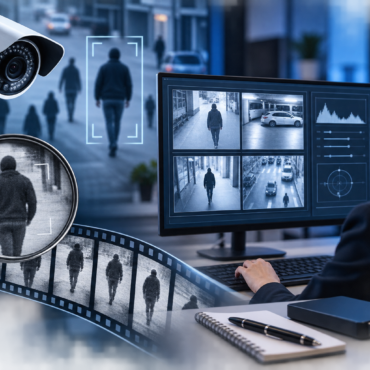
- CCTV enhancement cannot create details absent from the original recording.
- Fingerprint enhancement techniques cannot reveal ridges that were never deposited.
- Artificial intelligence cannot replace scientific judgment and proper validation.
Technology enhances investigations—it does not create evidence from nothing.
Insufficient Reference Material
Many forensic examinations depend on comparison.
Examples include:
- Known handwriting versus questioned writing
- Known fingerprints versus latent fingerprints
- Reference DNA samples
- Shoe impressions
- Tire tread patterns
If adequate comparison samples are unavailable, the examiner’s conclusions may remain limited or inconclusive.
Understanding Inconclusive Results
One common misconception is that every forensic examination produces either a positive or negative answer.
In reality, forensic experts often report findings as inconclusive.
An inconclusive opinion does not mean the examiner is uncertain or incompetent. Instead, it indicates that the available evidence is insufficient to support a reliable conclusion.
Scientific honesty sometimes requires acknowledging the limitations of the evidence.
Wrongful Convictions and Lessons Learned
History has shown that forensic evidence has occasionally contributed to wrongful convictions. In many cases, later reviews revealed issues such as:
- Improper evidence handling
- Overstated expert testimony
- Use of outdated forensic methods
- Misinterpretation of results
- Laboratory quality control failures
These cases have prompted major reforms worldwide, including:
- Better laboratory accreditation
- Standardized examination procedures
- Blind proficiency testing
- Independent peer review
- Improved examiner training
The forensic community continues to evolve by learning from past mistakes and strengthening scientific standards.
How Modern Forensic Science Reduces Errors
Today’s forensic laboratories implement numerous safeguards to improve reliability.
These include:
- Standard Operating Procedures (SOPs)
- Chain of Custody documentation
- Laboratory accreditation
- Equipment calibration
- Validation of scientific methods
- Internal and external audits
- Peer review of reports
- Continuing professional education
These quality assurance measures significantly reduce the likelihood of error while increasing confidence in forensic findings.
The Importance of Corroborating Evidence
Perhaps the most important principle in forensic science is that no single piece of evidence should be interpreted in isolation.
Investigators consider forensic findings alongside:
- Witness statements
- CCTV footage
- Mobile phone records
- Financial transactions
- Digital evidence
- Crime scene reconstruction
- Motive and opportunity
When multiple independent sources of evidence point toward the same conclusion, the overall reliability of the investigation increases substantially.
Science Evolves Over Time
Scientific knowledge continually advances.
Methods once considered reliable may later be refined or replaced as new research becomes available. This does not mean forensic science is unreliable—it demonstrates that science is self-correcting.
Continuous research has improved areas such as:
- DNA interpretation
- Fingerprint imaging
- Digital forensic recovery
- Bloodstain pattern analysis
- Chemical detection methods
The willingness to update techniques based on scientific evidence is one of forensic science’s greatest strengths.
Conclusion
So, can forensic science be wrong? The honest answer is yes,but not because science itself is unreliable. Errors can arise from poor evidence, contamination, human mistakes, inadequate procedures, or limitations in current technology. These challenges highlight the importance of rigorous scientific methods, quality assurance, and ethical professional practice.
Forensic science should never be viewed as a standalone solution that automatically identifies guilt or innocence. Instead, it is a powerful investigative tool that works best when combined with careful crime scene investigation, corroborating evidence, and sound judicial evaluation.
As technology advances and scientific standards continue to improve, forensic science becomes increasingly accurate and dependable. However, its greatest strength lies not in claiming perfection, but in its commitment to objectivity, transparency, continuous validation, and the pursuit of truth.
Ultimately, forensic science does not promise certainty in every case-it provides scientifically supported evidence that helps courts and investigators make informed, fair, and evidence-based decisions.


Post comments (0)