
Crime Scene Investigation

13 Results / Page 1 of 2

Background

todayJuly 23, 2026

close

Blog Admin

UV 365 vs 395 for Fingerprints

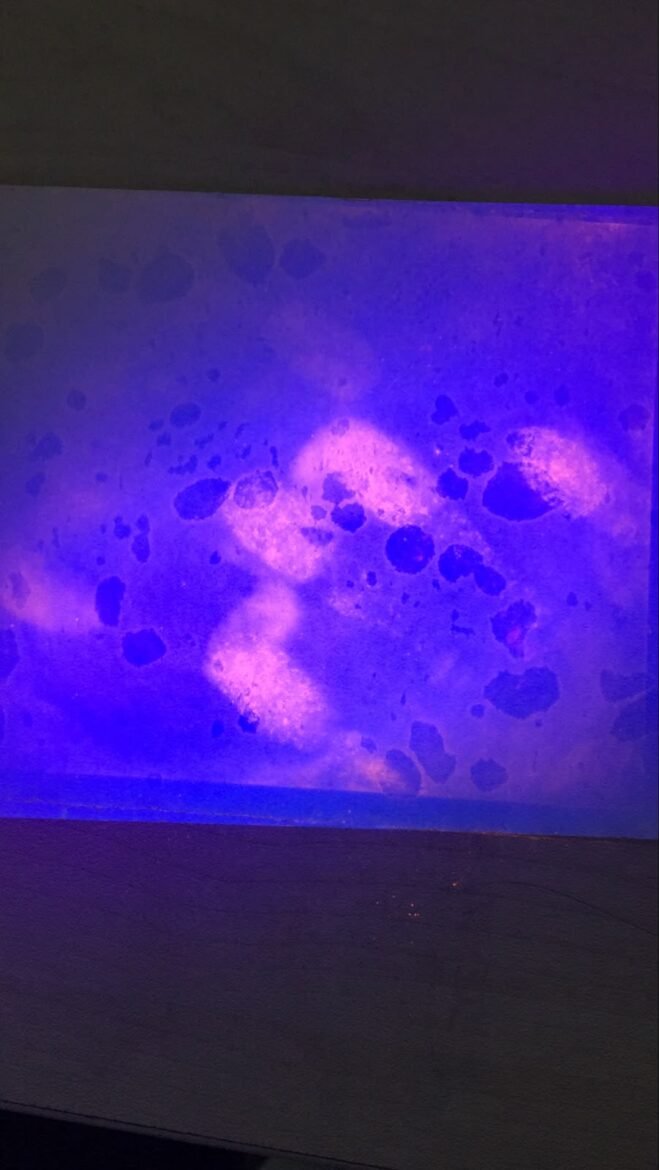
Ultraviolet (UV) light is one of the most valuable tools in modern forensic investigations. From detecting latent fingerprints to revealing biological stains and examining questioned documents, UV light helps investigators uncover evidence that is invisible under normal lighting conditions. However, not all UV lights perform the same way. Two of ...

todayJuly 17, 2026

close

Blog vanshika

Can Forensic Science Be Wrong? Understanding Its Limitations

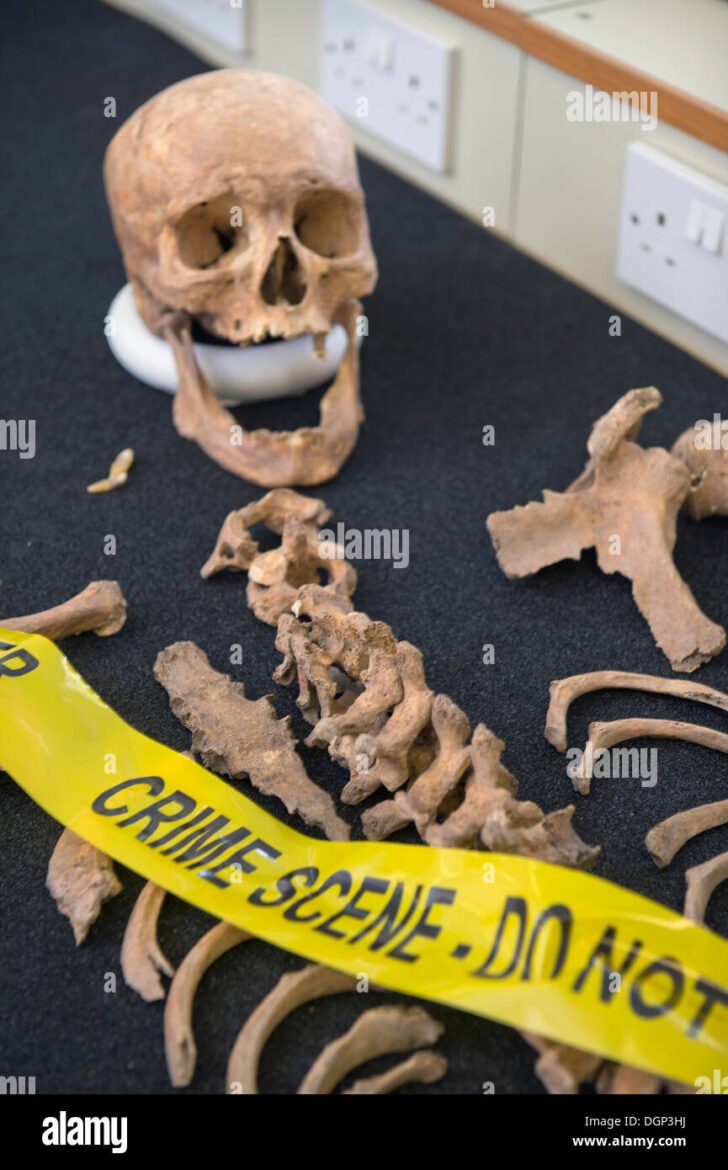
Introduction Forensic science has become synonymous with solving crimes. Thanks to television shows, movies, and news reports, many people believe forensic evidence is always accurate, objective, and impossible to challenge. Fingerprints identify the culprit, DNA never lies, and handwriting analysis always reveals the truth-or so the public perception goes. In ...

todayJuly 8, 2026

close

Blog Harinandhan A S

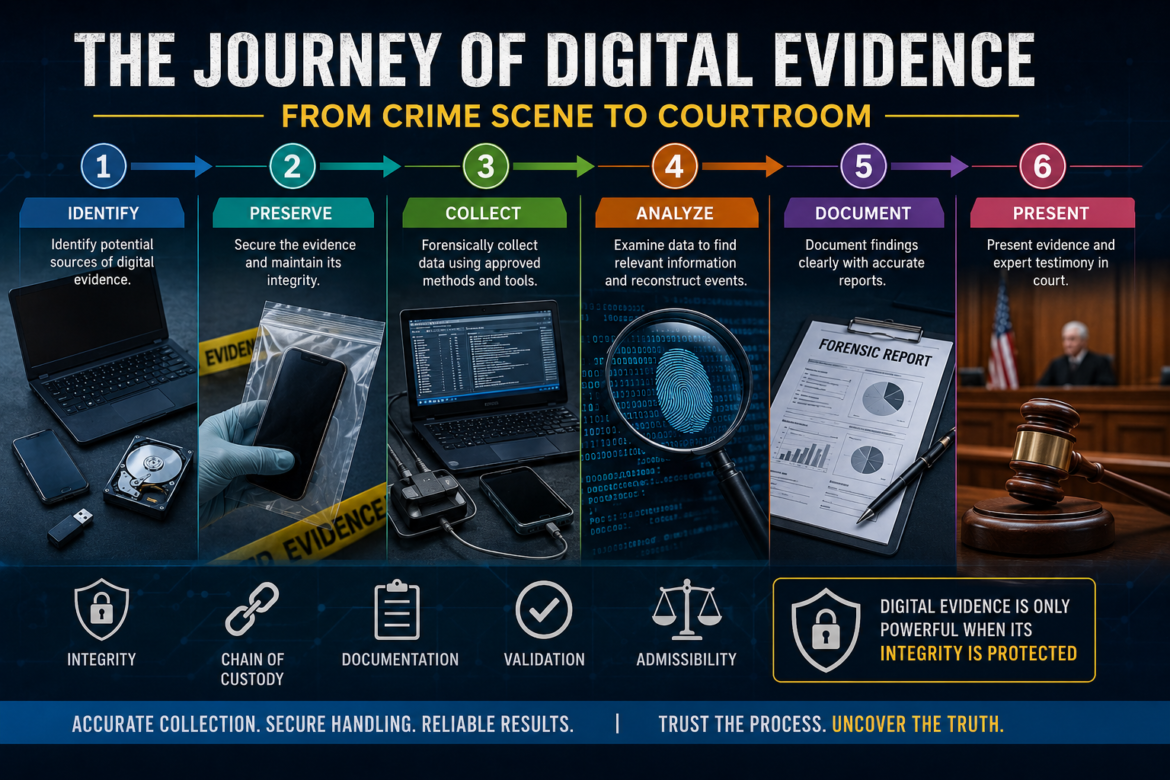
The Journey of Digital Evidence: From Crime Scene to Courtroom

  Every cybercrime investigation begins with a single piece of digital evidence. It may be a smartphone recovered from a suspect, a laptop found at a crime scene, a surveillance video, or an email linked to fraudulent activity. However, collecting digital evidence is only the beginning. To ensure that the ...

todayJuly 6, 2026

close

Blog vanshika

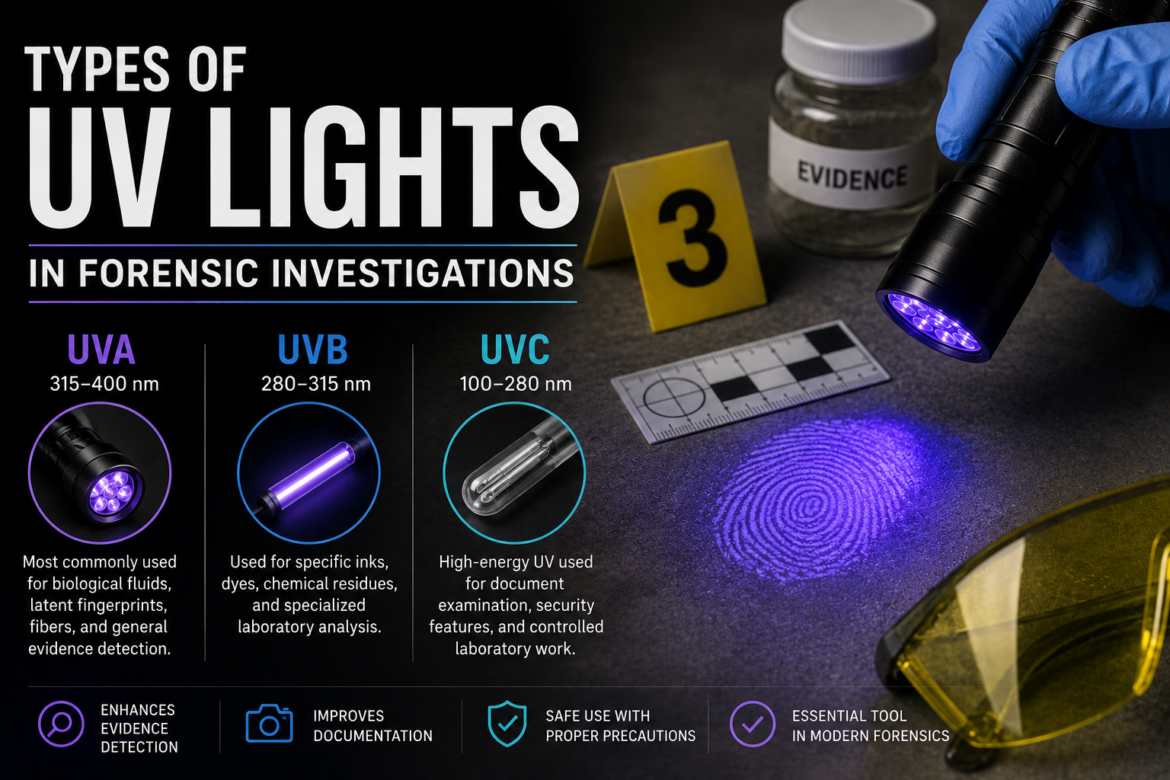
Types of UV Lights Used in Forensic Investigations

Introduction: Ultraviolet (UV) light has become an indispensable tool in modern forensic science. It enables investigators to detect and document evidence that may be invisible under normal lighting conditions. From locating biological stains to identifying altered documents and trace evidence, UV lights provide a fast, non-destructive, and highly effective method ...

todayJune 26, 2026

close

Blog vanshika

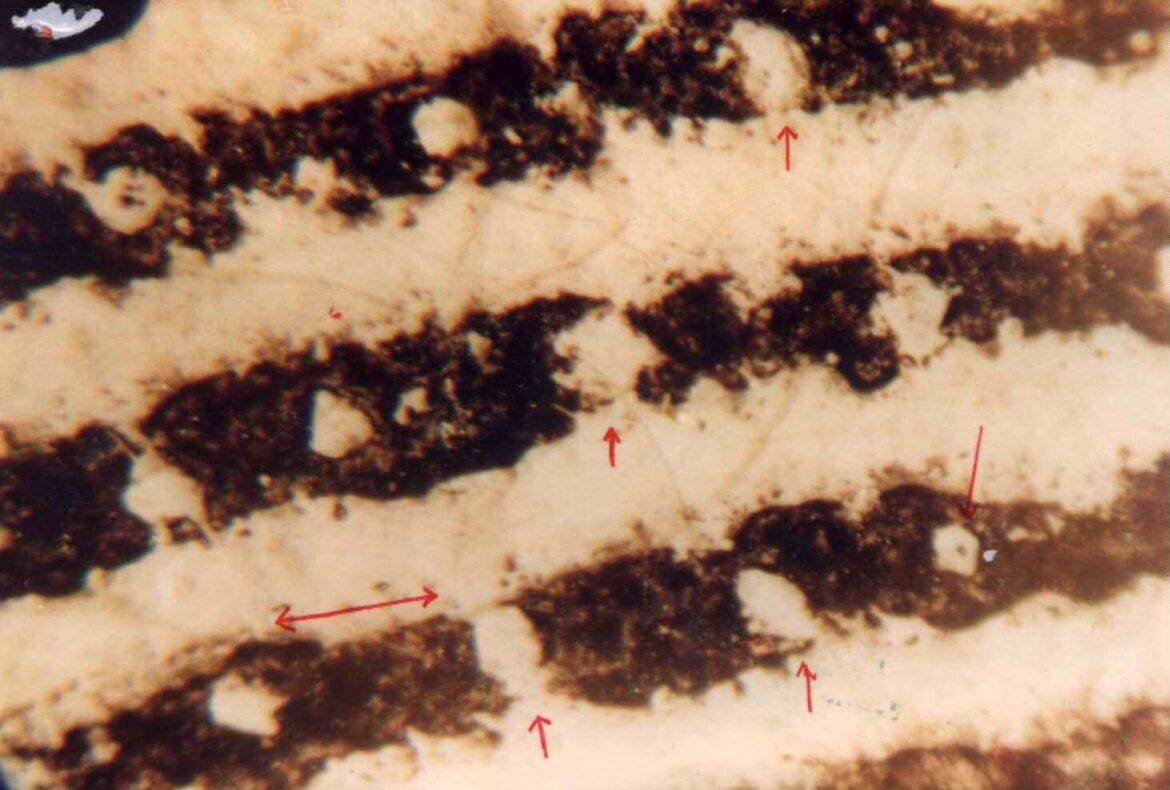
Poroscopy and Edgeoscopy: Beyond Traditional Fingerprints

Introduction Fingerprints have been the gold standard of personal identification for over a century. Their uniqueness and permanence make them one of the most reliable forms of forensic evidence. However, crime scenes often do not provide complete fingerprint impressions. Smudged, partial, or distorted prints can make identification difficult using traditional ...

todayMay 29, 2026

close

Blog vanshika

History and Evolution of Fingerprint Analysis

Introduction  Fingerprint analysis is one of the oldest and most reliable methods of personal identification used in criminal investigations. Every individual possesses unique fingerprint patterns that remain unchanged throughout life, making fingerprints a powerful tool in forensic science. Over centuries, fingerprint analysis has evolved from simple observations of skin patterns ...

todayMay 27, 2026

close

Blog vanshika

Types of Evidence in Criminal Investigations

Introduction In every criminal investigation, evidence plays a crucial role in uncovering the truth, identifying suspects, and ensuring justice. Evidence helps investigators reconstruct events, establish links between victims and suspects, and present reliable facts in court. Without proper evidence, even the most serious crimes can remain unsolved. From fingerprints and ...

todayFebruary 27, 2024

close

General Forensics Admin

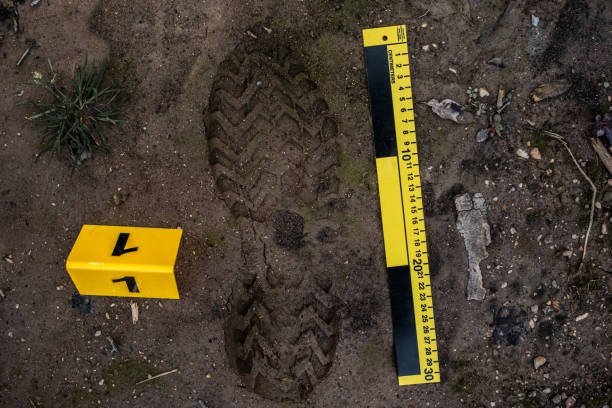
The Critical Role of Footprints in Forensic Investigations

Introduction: For many years, footprints have been a vital source of information for forensic cases and criminal investigations. Even with the advancements in science such as DNA analysis, fingerprinting, and other areas, footprints continue to be among the most valuable forms of tangible evidence in forensic research.  This article explores ...