Introduction
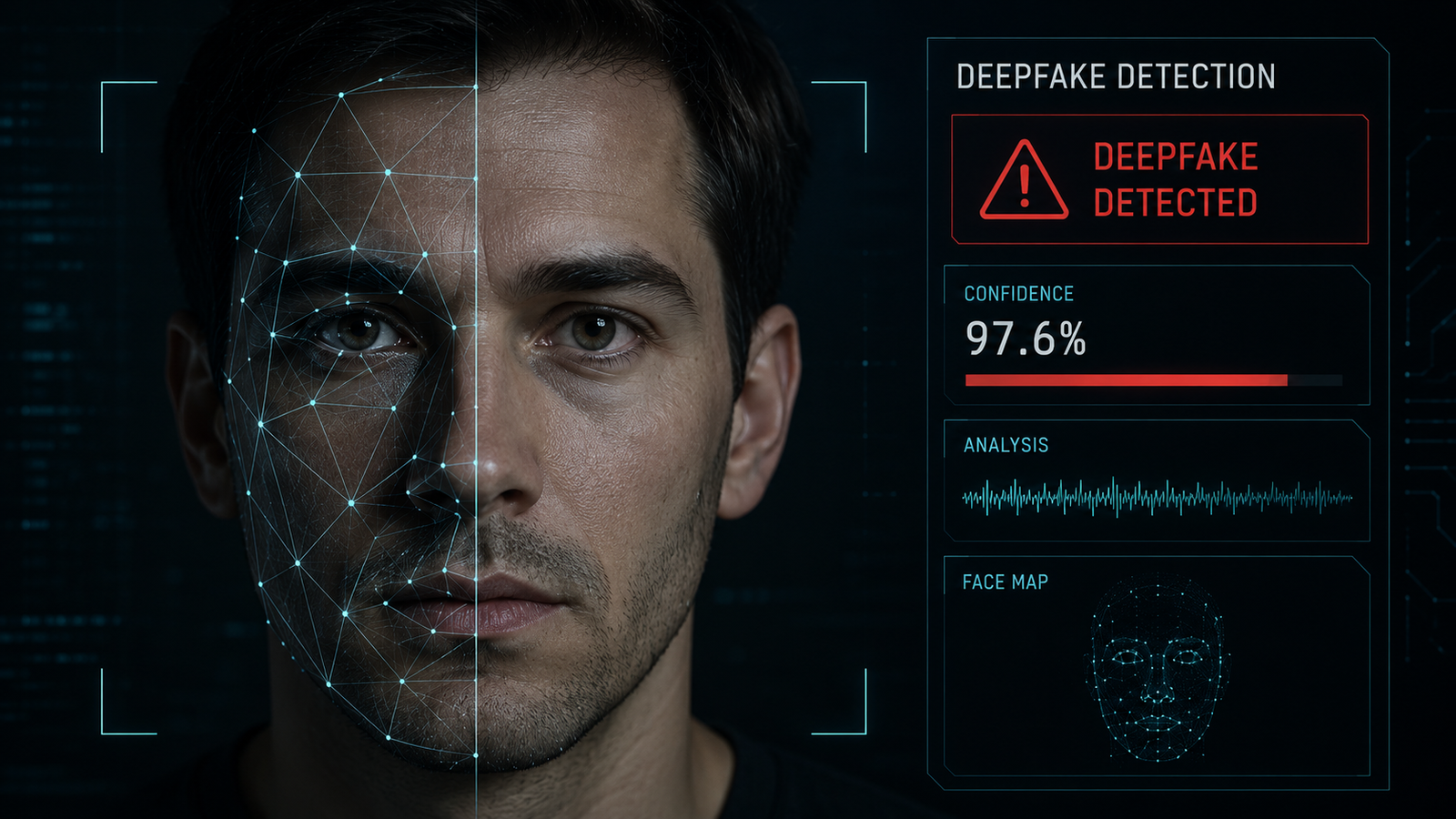
Deepfake forensic analysis has become essential in modern digital investigations. Artificial Intelligence (AI) has revolutionized the way digital content is created and consumed, but it has also enabled the creation of highly realistic deepfakes. Detecting manipulated videos, images, and audio recordings now requires advanced forensic techniques and specialized expertise.
As deepfake technology becomes more sophisticated and accessible, the need for reliable deepfake detection methods has become critical. From misinformation campaigns and financial fraud to reputational damage and legal disputes, deepfakes pose significant risks to individuals, organizations, and society as a whole.
This article explores what deepfakes are, how they are created, the challenges they present, and the techniques used by digital forensic experts to detect manipulated content.
What Are Deepfakes?
The term “deepfake” is derived from “deep learning” and “fake.” Deep learning is a subset of AI that uses neural networks to analyze and generate data. Deepfake technology utilizes these networks to manipulate existing media or create entirely synthetic content.
Common types of deepfakes include:
-
Face-swapped videos
-
AI-generated synthetic faces
-
Voice cloning and audio impersonation
-
Lip-sync manipulation
-
Full-body synthetic videos
-
AI-generated photographs
Modern deepfakes can be so realistic that they are difficult to distinguish from authentic media with the naked eye.
How Deepfakes Are Created
Deepfakes are typically generated using machine learning models trained on large datasets of images, videos, or audio recordings of a target individual.
The process generally involves:
-
Collecting numerous images or videos of the target.
-
Training an AI model to learn facial expressions, movements, and speech patterns.
-
Generating synthetic content or replacing faces and voices in existing media.
-
Refining the output to make the manipulation appear natural and realistic.
Recent advancements in generative AI have significantly reduced the technical expertise required to create convincing deepfakes, making the technology more accessible to malicious actors.
Why Deepfakes Are Dangerous
1. Misinformation and Fake News
Deepfakes can be used to create fabricated statements from political leaders, celebrities, or public figures, potentially influencing public opinion and spreading misinformation.
2. Financial Fraud
Cybercriminals increasingly use AI-generated voice cloning to impersonate executives, employees, or family members to authorize fraudulent transactions.
3. Identity Theft
Deepfake technology can be used to bypass identity verification systems that rely on facial recognition or voice authentication.
4. Reputation Damage
Manipulated videos and images can falsely associate individuals with inappropriate, illegal, or unethical activities, causing severe reputational harm.
5. Legal and Evidentiary Challenges
Courts and investigators rely heavily on digital evidence. The rise of deepfakes raises concerns about the authenticity and admissibility of digital media.
Signs of a Potential Deepfake
Although modern deepfakes are highly convincing, some indicators may suggest manipulation:
-
Unnatural blinking patterns
-
Inconsistent facial expressions
-
Irregular skin texture
-
Distorted facial boundaries
-
Poor synchronization between lips and speech
-
Abnormal lighting or shadows
-
Inconsistent reflections in eyes
-
Audio artifacts or robotic speech characteristics
-
Background distortions
However, visual inspection alone is often insufficient for conclusive determination.
Digital Forensic Approaches to Deepfake Detection
Digital forensic experts employ various techniques to identify manipulated media.
Metadata Examination
The first step often involves analyzing file metadata, including:
Inconsistencies in metadata may indicate manipulation.
Error Level Analysis (ELA)
Error Level Analysis helps identify areas within an image that have undergone different levels of compression, potentially revealing altered regions.
Pixel-Level Examination
Forensic analysts inspect:
-
Pixel inconsistencies
-
Noise patterns
-
Compression artifacts
-
Image stitching traces
These microscopic details can expose digital alterations.
Audio Forensics
Audio experts analyze:
Voice-cloned recordings often exhibit anomalies that can be detected through forensic examination.
Frame-by-Frame Video Analysis
Each frame of a video can be inspected for:
-
Facial inconsistencies
-
Rendering errors
-
Motion irregularities
-
Temporal artifacts
This method is particularly effective in identifying manipulated videos.
AI-Based Detection Tools
Ironically, AI itself is becoming one of the most effective tools for detecting deepfakes. Modern detection systems analyze:
These systems can identify patterns commonly produced by generative AI models.
Challenges in Deepfake Detection
Detecting deepfakes is becoming increasingly difficult due to:
-
Rapid improvement in generative AI models
-
Higher quality synthetic media
-
Reduction of detectable artifacts
-
Availability of sophisticated editing tools
-
Continuous evolution of attack techniques
As detection methods improve, deepfake generation techniques evolve as well, creating an ongoing technological arms race.
The Role of Digital Forensic Experts
Digital forensic professionals play a critical role in:
-
Authenticating digital evidence
-
Investigating suspected deepfakes
-
Conducting forensic media examinations
-
Supporting legal proceedings
-
Providing expert witness testimony
-
Assisting law enforcement investigations
Their expertise helps establish whether digital content is genuine, altered, or entirely AI-generated.
Best Practices for Organizations and Individuals
To reduce the risks associated with deepfakes:
-
Verify media from trusted sources.
-
Implement multi-factor authentication.
-
Use advanced identity verification methods.
-
Educate employees about deepfake threats.
-
Verify unusual financial requests through secondary channels.
-
Maintain secure records of original digital content.
-
Seek professional forensic examination when authenticity is questioned.
Future of Deepfake Detection
The future of deepfake detection will likely involve:
-
Advanced AI-powered forensic systems
-
Digital content authentication frameworks
-
Cryptographic media verification
-
Blockchain-based content provenance
-
Real-time deepfake detection platforms
As synthetic media becomes more prevalent, robust verification mechanisms will become essential for preserving trust in digital communications.
Conclusion
Deepfakes represent one of the most significant challenges in today’s digital landscape. Their ability to convincingly manipulate images, videos, and audio creates serious implications for cybersecurity, legal investigations, media integrity, and personal reputation.
While deepfake technology continues to advance, digital forensic experts and modern detection tools remain vital in identifying manipulated content and preserving the authenticity of digital evidence. Organizations, investigators, and individuals must remain vigilant and adopt reliable verification practices to combat the growing threat posed by AI-generated deception.
Need Professional Deepfake Detection Services?
Hawk Eye Forensic provides specialized forensic examination services for suspected deepfake images, videos, and audio recordings. Our experts utilize advanced forensic methodologies and industry-leading tools to assess authenticity, identify manipulation, and provide legally defensible forensic reports for investigations and legal proceedings.

Post comments (0)