Introduction
We trust documents.
A signature on a contract, a number on a check, a clause in an agreement—these things carry weight. They influence decisions involving financial matters, property disputes, and, in many cases, the course of justice.
Most importantly, an important question arises: what if the document has been quietly altered without detection?
In forensic science, one of the most common ways documents are manipulated is through alterations, even small, often invisible changes that can completely change the meaning of what was originally written.
And the scary part? Many of these changes are designed so well that you wouldn’t notice them at all.
What Exactly Is an Alteration?
An alteration is simply a change made to a document after it was originally completed, without authorization.
It could be as obvious as scratching off a word…
Or as subtle as turning a “1” into a “7.”
Either way, the intention is the same: to deceive.
Common Ways Documents Are Altered
Sometimes, the original writing is removed.
-
- Physically rubbed off (using erasers or blades)
- Chemically dissolved
Even if the ink disappears, the paper often “remembers” the damage.
-
Adding What Was Never There
Ever seen someone add an extra zero to an amount?
That’s an insertion.
A small addition… but a massive impact.
-
Writing Over the Original
This is called overwriting.
An individual may write over existing text to change it in the hope that the difference won’t be noticed.
>But variations in ink, pressure, and stroke often give it away.
Sometimes, instead of removing text, people try to cover it.
-
- Scribbling over it
- Using correction fluid
- Blocking it out
But in forensics, hidden doesn’t mean gone.
In more serious cases, whole pages are swapped.
Documents like contracts, agreements, legal files,
Even a one-page change, and the entire meaning shifts.
This is where transposition happens
Like changing-
A simple switch results in big consequences.
Why This Matters So Much
You might think, “It’s just a small change.”
But in reality, alterations can
- Turn legal documents invalid
- Led to financial fraud
- Change ownership or rights
- Mislead courts
In many cases, a single altered digit can decide the outcome of an entire case.
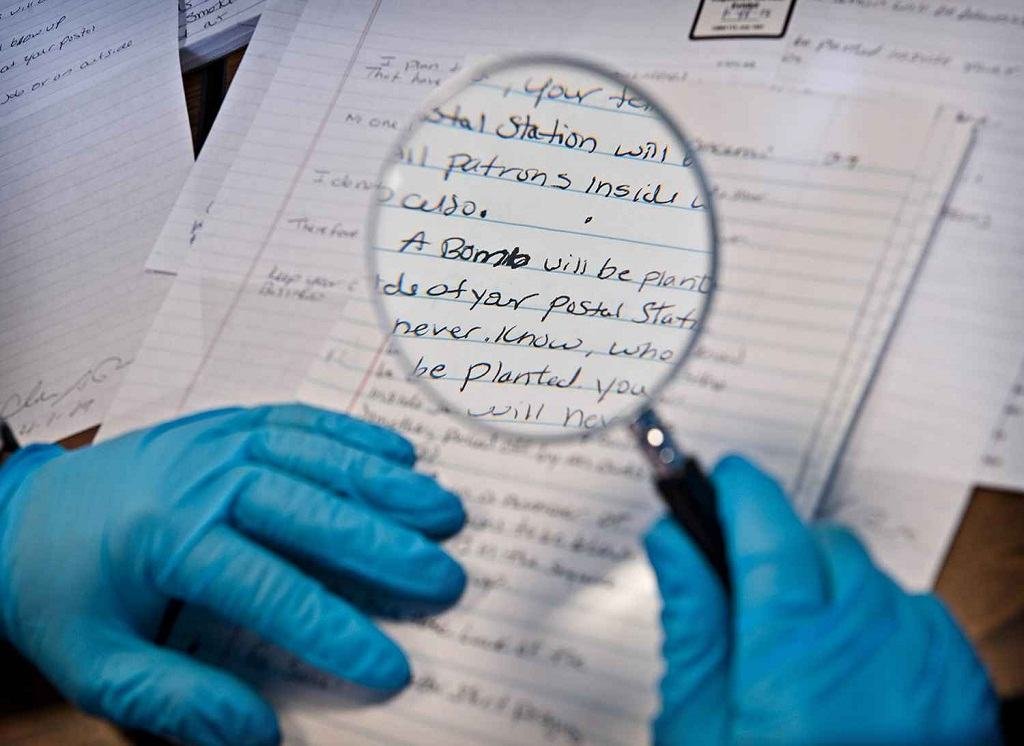
How Do Forensic Experts Catch It?
This is where forensic science steps in.
Even the smartest alterations leave traces.
Experts use:
- Lighting techniques to spot surface damage
- Microscopes to study ink and paper fibres
- UV and IR light to reveal hidden or different inks
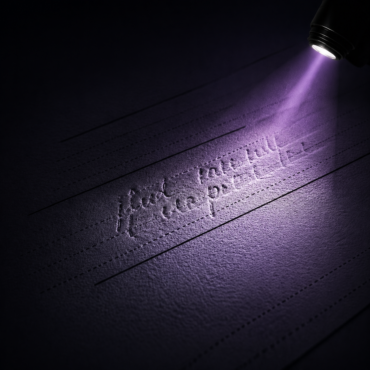
- ESDA to detect pressure marks (even from previous pages)
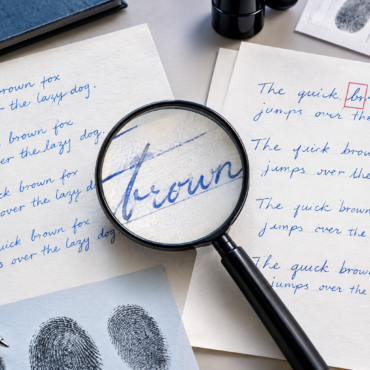
- Ink analysis to check if different pens were used
What looks clean to the eye often tells a very different story under examination.
Signs That Something Is Off
Even in the absence of specialized tools, certain warning signs may still be observed:
- Differences in ink shade or pen type
- Uneven handwriting style or letter formation
- Disturbed or rough paper surface
- Unusual spacing between words, numbers, or lines
- Misaligned text or inconsistent margins
- Overwriting or patchy strokes
- Indentations or pressure marks from previous writing.
- Missing security features or damaged seals/stamps.
- Use of correction fluid or masking materials.
- Different printing quality or font inconsistencies.
- Chemical stains or discoloration caused by ink removal attempts.
- Words or numbers appearing crowded into a limited space
- Visible impressions under oblique lighting
That is to say, it’s like the document is trying to hide something—but not very well.
The Bigger Picture
Alterations show up everywhere:
- Cheque fraud cases
- Property disputes
- Fake agreements
- Tampered wills
- Identity document manipulation
And in each case, the same objective is pursued—the narrative is intended to be altered without detection.
Here’s the Truth…
Paper may seem silent.
Forensic science records everything—including pressure patterns, ink characteristics, writing sequence, and alterations.
In forensic science, nothing truly disappears.
Every erased word leaves a trace.
>Every added number creates an imbalance.
>Every alteration tells a story.
You need the right eyes—and the right tools—to see it.
Conclusion
In short, alterations in questioned documents are more than just technical findings.
They are evidence of intent.
They show where truth was changed… and why.
And in the end, forensic science does one simple thing:
It brings the original story back to light.

Post comments (0)