Have you ever wondered where digital evidence exists when a smartphone no longer contains a physical SIM card? As mobile technology continues to evolve, traditional SIM cards are gradually being replaced by embedded SIMs, commonly known as eSIMs. Although they improve convenience and security, they also introduce new challenges for digital forensic investigations.
eSIM Forensics helps investigators identify and analyze valuable digital evidence associated with embedded SIM technology. Furthermore, it provides important insights during cybercrime investigations, mobile forensic examinations, and legal proceedings. As smartphones become increasingly dependent on eSIM technology, understanding its forensic significance has become more important than ever.
What Is eSIM Technology?
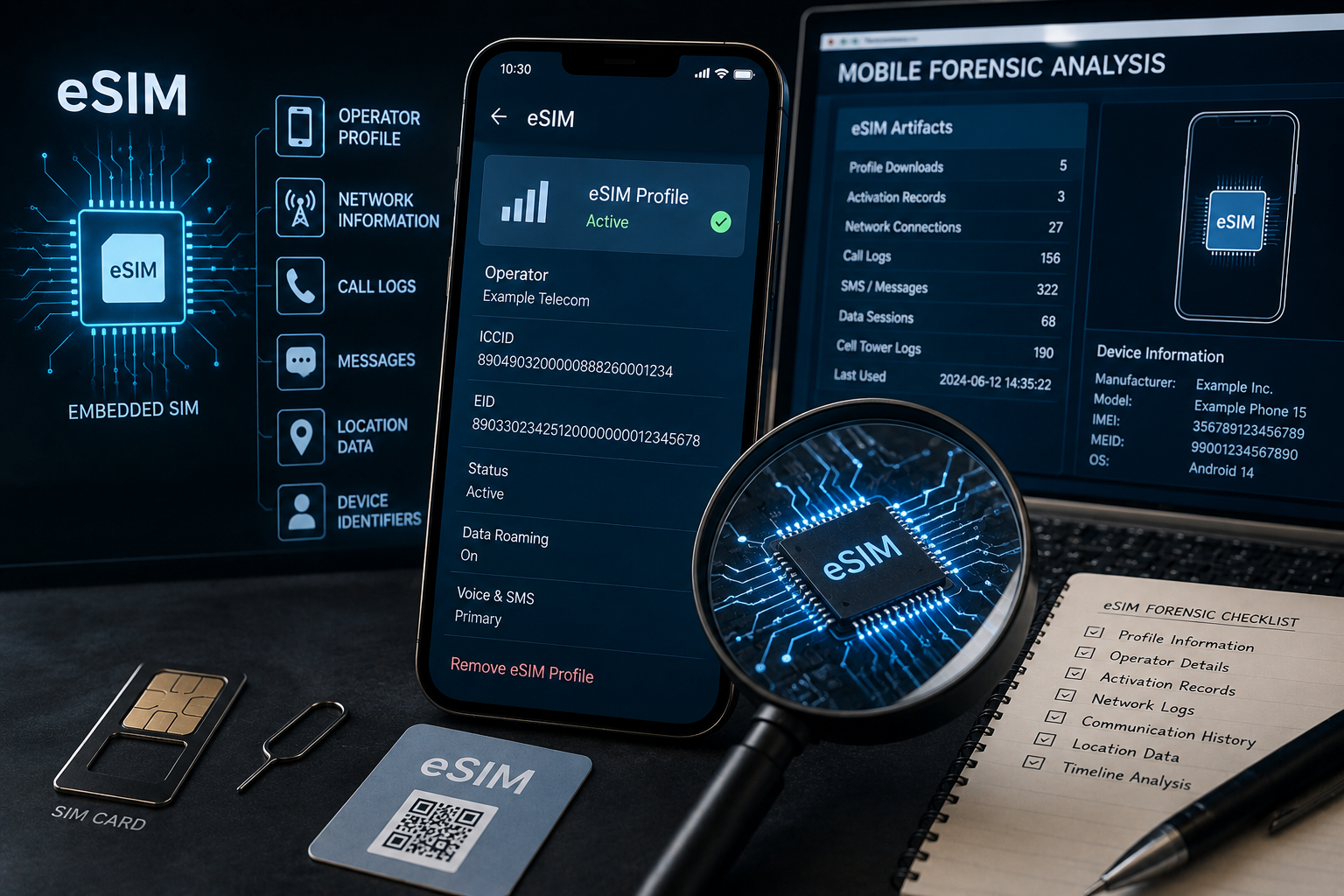
An eSIM is a programmable SIM card that is permanently embedded within a device. Unlike traditional SIM cards, it does not require physical insertion or replacement. Instead, users can remotely activate, switch, or manage mobile network profiles.
Today, eSIM technology is widely used in:
-
Smartphones
-
Smartwatches
-
Tablets
-
Laptops
-
IoT devices
-
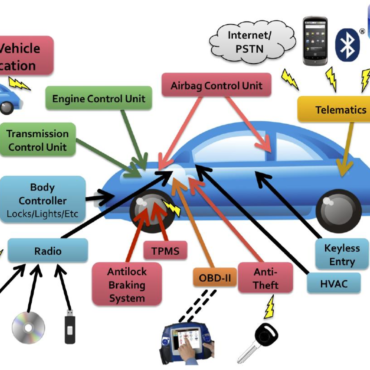
Connected vehicles
Because eSIMs operate differently from traditional SIM cards, they may contain unique forensic artifacts that can assist investigators during digital investigations.
What Is eSIM Forensics?
eSIM Forensics is the process of identifying, preserving, collecting, and analyzing digital evidence related to embedded SIM technology. Digital forensic experts examine mobile devices to recover information associated with eSIM profiles, network activities, and device configurations.
The primary objective of eSIM Forensics is to understand how an eSIM was used before, during, or after an incident while maintaining the integrity of digital evidence.
Why Is eSIM Forensics Important?
Modern cybercrime investigations frequently involve smartphones and connected devices. Consequently, investigators must examine every potential source of digital evidence.
eSIM Forensics plays an important role in:
-
Cybercrime investigations
-
Financial fraud cases
-
Mobile device examinations
-
Identity theft investigations
-
Corporate investigations
-
Missing person investigations
-
Digital evidence preservation
-
Incident response investigations
Moreover, eSIM technology allows users to maintain multiple mobile network profiles, which can provide valuable investigative insights when legally authorized and technically accessible.
What Digital Evidence Can eSIM Forensics Reveal?
Although eSIM technology eliminates the need for a physical SIM card, it does not eliminate valuable forensic artifacts.
Investigators may identify:
-
Mobile network profile information
-
Device identifiers
-
Activation records
-
Connection timestamps
-
Carrier-related information
-
Mobile application artifacts
-
User account information
-
Timeline evidence
-
Device configuration details
-
Network usage records
Furthermore, investigators often correlate these artifacts with information recovered from other areas of a mobile device to reconstruct investigative timelines.
How Does eSIM Forensics Work?
eSIM Forensics follows established digital forensic methodologies. First, investigators preserve the device and document its condition. Next, they acquire and analyze available digital evidence using appropriate forensic techniques.
The forensic process generally includes:
Evidence Preservation
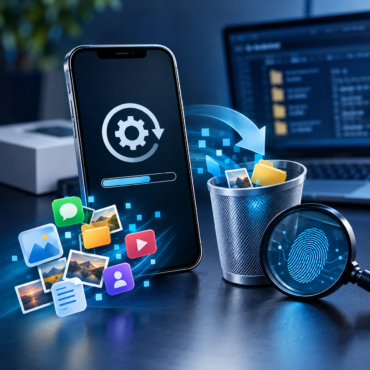
Digital evidence must be preserved immediately to maintain its integrity.
Investigators typically:
-
Document device information.
-
Preserve available forensic artifacts.
-
Maintain chain of custody records.
-
Secure digital evidence throughout the investigation.
Proper evidence preservation significantly improves the reliability of forensic findings.
Mobile Device Examination
Modern smartphones contain valuable information beyond their SIM-related components.
Investigators may examine:
As a result, investigators can often establish how a device was used during an incident.
Timeline Analysis
Timeline reconstruction remains one of the most valuable aspects of mobile forensic investigations.
Investigators may analyze:
-
Activation events
-
Network connections
-
Device interactions
-
Application activities
-
User-generated records
By correlating multiple forensic artifacts, investigators can better understand significant events during an investigation.
Challenges in eSIM Forensics
Although eSIM technology offers numerous advantages, it also presents several forensic challenges.
These challenges include:
-
Multiple mobile network profiles
-
Cloud-based profile management
-
Hardware-specific implementations
-
Encryption mechanisms
-
Rapid technological advancements
-
Device-specific forensic limitations
Additionally, modern mobile operating systems continue to evolve, requiring investigators to adapt their forensic methodologies regularly.
The Role of eSIM Forensics in Cybercrime Investigations
Cybercriminals increasingly rely on modern communication technologies during criminal activities. Consequently, smartphones have become one of the most valuable sources of digital evidence.
eSIM Forensics may assist investigators in:
-
Establishing investigative timelines.
-
Identifying device usage patterns.
-
Examining network-related artifacts.
-
Supporting incident response investigations.
-
Preserving mobile forensic evidence.
-
Correlating digital evidence from multiple sources.
Furthermore, forensic examinations can provide valuable context when combined with other mobile forensic artifacts recovered from a device.
Best Practices in eSIM Forensics
Digital forensic experts follow scientifically accepted methodologies during mobile forensic investigations.
These include:
-
Preserving evidence immediately.
-
Maintaining proper documentation.
-
Following chain of custody procedures.
-
Using validated forensic methodologies.
-
Correlating evidence from multiple sources.
-
Protecting the integrity of digital evidence throughout the investigation.
Following these practices helps strengthen both investigative findings and legal admissibility.
The Future of eSIM Forensics
eSIM technology continues to gain widespread adoption across modern devices. Similarly, digital forensic investigations are becoming increasingly sophisticated.
Emerging developments include:
-
Advanced mobile forensic techniques
-
Enhanced artifact analysis methodologies
-
Improved timeline reconstruction capabilities
-
Cloud-assisted forensic investigations
-
Artificial intelligence-assisted digital investigations
As connected devices become more common, eSIM Forensics will continue to play an important role in uncovering valuable digital evidence.
Conclusion
eSIM Forensics represents an important advancement in modern mobile forensic investigations. Although embedded SIM technology improves convenience and connectivity, it also creates new opportunities and challenges for digital forensic examinations.
Furthermore, valuable forensic artifacts may still exist within devices that use eSIM technology. By preserving and analyzing digital evidence responsibly, investigators can reconstruct timelines, understand device activities, and support cybercrime investigations effectively.
As mobile technologies continue to evolve, eSIM Forensics will remain an essential component of digital investigations, helping investigators uncover hidden evidence beyond traditional SIM cards.


Post comments (0)