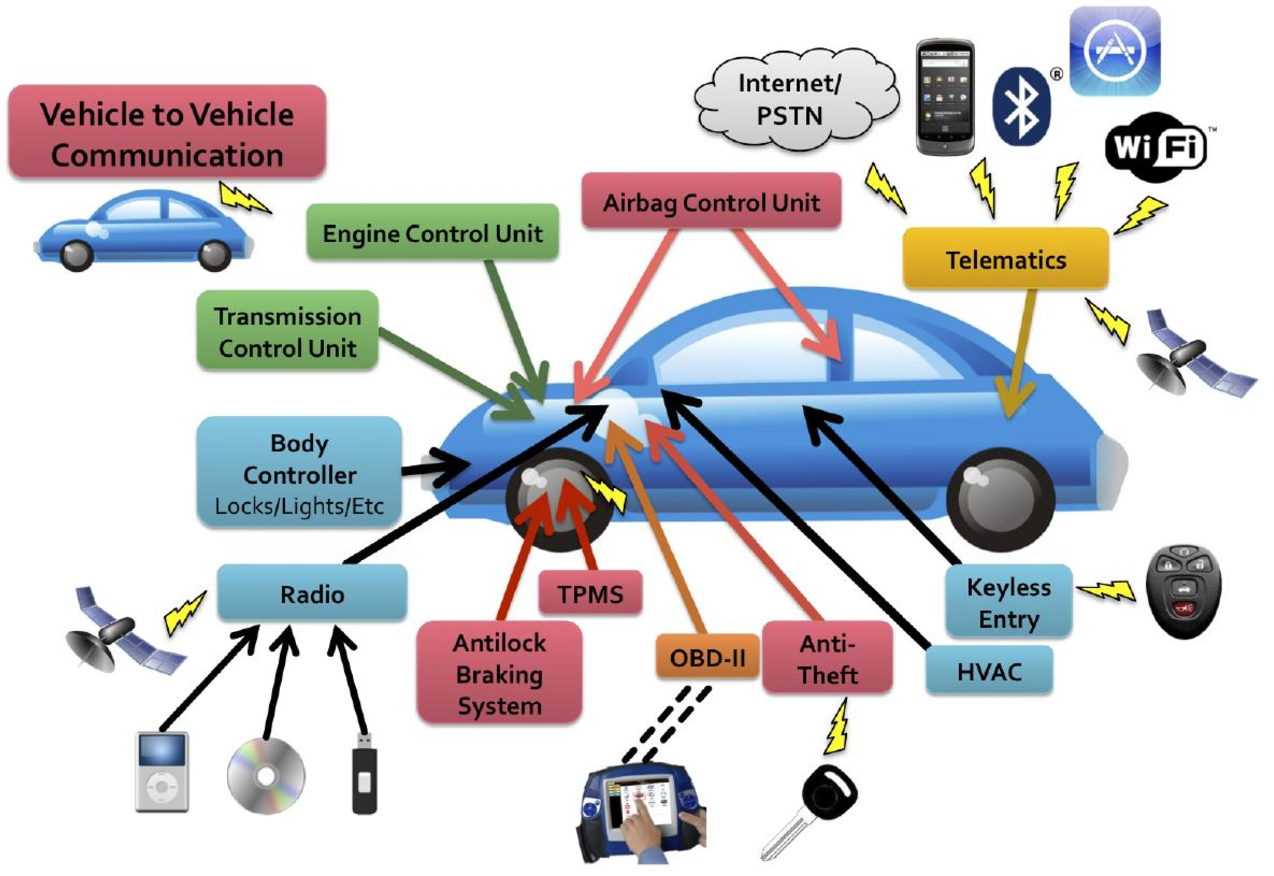
Modern vehicles are more than just machines. They are advanced digital systems that connect with smartphones, GPS services, Bluetooth devices, mobile applications, and cloud platforms. As a result, vehicles can store a large amount of valuable digital information.
This has created a growing field known as Vehicle Infotainment System Forensics. It focuses on finding, collecting, and analyzing digital evidence stored in a vehicle’s infotainment and connected systems.
Such evidence can be useful in criminal investigations, accident cases, insurance disputes, and other forensic investigations. It may help investigators understand where a vehicle travelled, which devices were connected to it, and how the system was used.
What Is Vehicle Infotainment System Forensics?
Vehicle Infotainment System Forensics is the process of identifying, collecting, preserving, and analyzing digital data stored in a vehicle’s infotainment system.
Modern infotainment systems offer many features. These include GPS navigation, Bluetooth connectivity, entertainment, voice commands, hands-free calling, and smartphone integration.
When a smartphone connects to a vehicle, some information may be transferred or synchronized with the infotainment system. In certain cases, parts of this information may remain stored even after the phone is disconnected.
For this reason, automotive systems have become an important source of evidence in digital forensic investigations.
What Digital Evidence Can Be Found in a Vehicle?
The amount and type of data available depend on the vehicle model, manufacturer, infotainment platform, software version, and user activity.
A vehicle infotainment system may contain:
- GPS coordinates and navigation history
- Saved and recent destinations
- Route information
- Paired Bluetooth devices
- Device names and identifiers
- Synced contact information
- Call-related records
- Message-related data, where supported
- Wi-Fi connection information
- Media and playback information
- Voice-command information or metadata
- User profiles and system settings
- Timestamps linked to certain activities
This information can help investigators create a timeline of events.
For example, GPS or navigation data may show that a vehicle travelled to a particular location. Bluetooth records may also show that a specific mobile device was paired with the vehicle.
However, investigators must carefully determine where the data came from. Some information may be stored directly in the vehicle, while other data may have been synchronized or cached from a connected smartphone.
Why Is Infotainment Data Important in Digital Forensics?
Vehicle data can provide useful information when investigating an incident.
In some cases, a suspect’s or victim’s smartphone may be unavailable. The phone may be damaged, encrypted, lost, or deleted. However, a vehicle that was previously connected to the phone may still contain relevant information.
This makes automotive digital forensics useful for identifying possible connections between a person, mobile device, vehicle, and location.
For example, a forensic examination may reveal that a smartphone was previously paired with a vehicle through Bluetooth. Depending on the vehicle and system, investigators may also recover additional information related to that connection.
Evidence from a vehicle can also be compared with findings from mobile device forensics. Using evidence from multiple digital sources can help investigators develop a clearer picture of an incident.
How Is Vehicle Infotainment Data Collected?
The method used to collect data depends on the vehicle and its infotainment system.
Forensic investigators may use specialized automotive forensic tools, logical acquisition methods, diagnostic interfaces, removable storage analysis, or direct examination of storage components.
A typical investigation may involve identifying the vehicle, documenting its condition, determining the available acquisition method, extracting the data, and analyzing the recovered information.
Specialized platforms such as Cellebrite provide solutions for digital investigations. Automotive forensic technologies are also available from companies such as Berla, which focuses on extracting and analyzing data from supported vehicle systems.
Before starting an examination, investigators should check whether the forensic tool supports the specific vehicle make, model, year, and infotainment platform.
Challenges in Vehicle Infotainment System Forensics
Vehicle Infotainment System Forensics can be challenging because vehicle technology varies between manufacturers.
Different vehicles may use different operating systems, storage methods, databases, and hardware. Therefore, an extraction technique that works with one vehicle may not work with another.
Another major challenge is data interpretation.
For example, a GPS location recovered from a vehicle may indicate that the vehicle was present at a certain place. However, it does not automatically prove who was driving the vehicle.
Similarly, a paired smartphone may show a connection between a device and a vehicle. However, investigators must examine additional evidence before linking that device to a particular driver at a specific time.
Cybersecurity and encryption can also make data extraction more difficult. As vehicles become more connected, manufacturers are introducing stronger security measures.
The National Highway Traffic Safety Administration (NHTSA) also provides information on vehicle cybersecurity and the protection of modern vehicle systems.
Preserving Digital Evidence from Vehicles
Evidence preservation is an important part of Vehicle Infotainment System Forensics.
Before examining a vehicle, investigators should document its condition and the state of its electronic systems.
Care should also be taken while interacting with the infotainment system. Starting the vehicle, connecting a new smartphone, changing settings, or opening certain menus may modify stored information.
Therefore, every action taken during the examination should be properly documented.
Investigators should also maintain a clear chain of custody in digital forensics. This records who collected, handled, transferred, examined, and stored the evidence.
Where applicable, forensic integrity should be maintained through validated acquisition methods, hashing, proper documentation, and preservation of the original data.
The Future of Vehicle Digital Forensics
The importance of vehicle digital forensics will continue to grow as vehicles become more connected.
Modern cars can communicate with smartphones, mobile applications, navigation platforms, cloud services, and other connected systems. Electric vehicles and software-defined vehicles may also generate new types of digital evidence.
As a result, forensic investigators will need knowledge of automotive systems, embedded devices, mobile forensics, cloud forensics, and network communications.
Organizations such as the National Institute of Standards and Technology (NIST) provide research and guidance related to cybersecurity and digital forensic practices.
The continued development of connected vehicle technology will create both new opportunities and new challenges for digital forensic investigators.
Conclusion
Vehicle Infotainment System Forensics is becoming an important part of modern digital investigations. Vehicle systems can contain useful information about locations, navigation activity, connected devices, communications, and user interactions.
However, investigators must interpret this evidence carefully. They need to understand where the data came from, how it was generated, and whether it was stored directly in the vehicle or synchronized from another device.
When combined with mobile forensics, computer forensics, and other digital evidence, vehicle infotainment data can help investigators reconstruct events and uncover important information.
As connected vehicles become more common, automotive digital forensics will play an increasingly important role in forensic investigations.


Post comments (0)