
CyberSecurity

38 Results / Page 1 of 5

Background

todayJuly 21, 2026

close

Blog vanshika

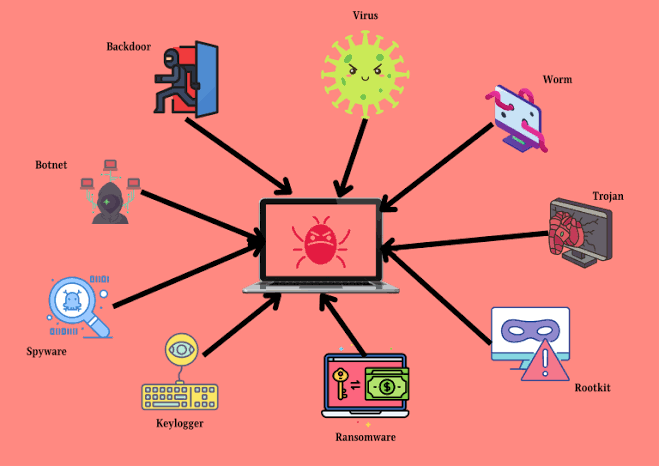
Types of Malware: Understanding the Most Common Cyber Threats

Introduction Malware, short for malicious software, is one of the biggest threats in today’s digital world. From individuals using personal computers to multinational organizations managing sensitive data, everyone is vulnerable to malware attacks. Cybercriminals continuously develop new types of malware to steal information, disrupt operations, demand ransom, or gain unauthorized ...

todayJuly 20, 2026

close

Blog vanshika

Bluetooth Forensic

Introduction In today’s connected world, Bluetooth technology has become an integral part of our daily lives. From wireless earbuds and smartwatches to fitness bands, medical devices, and smart home gadgets, Bluetooth enables seamless communication between devices. However, every connection leaves behind valuable digital traces that can play a crucial role ...

todayJuly 20, 2026

close

Blog Harinandhan A S

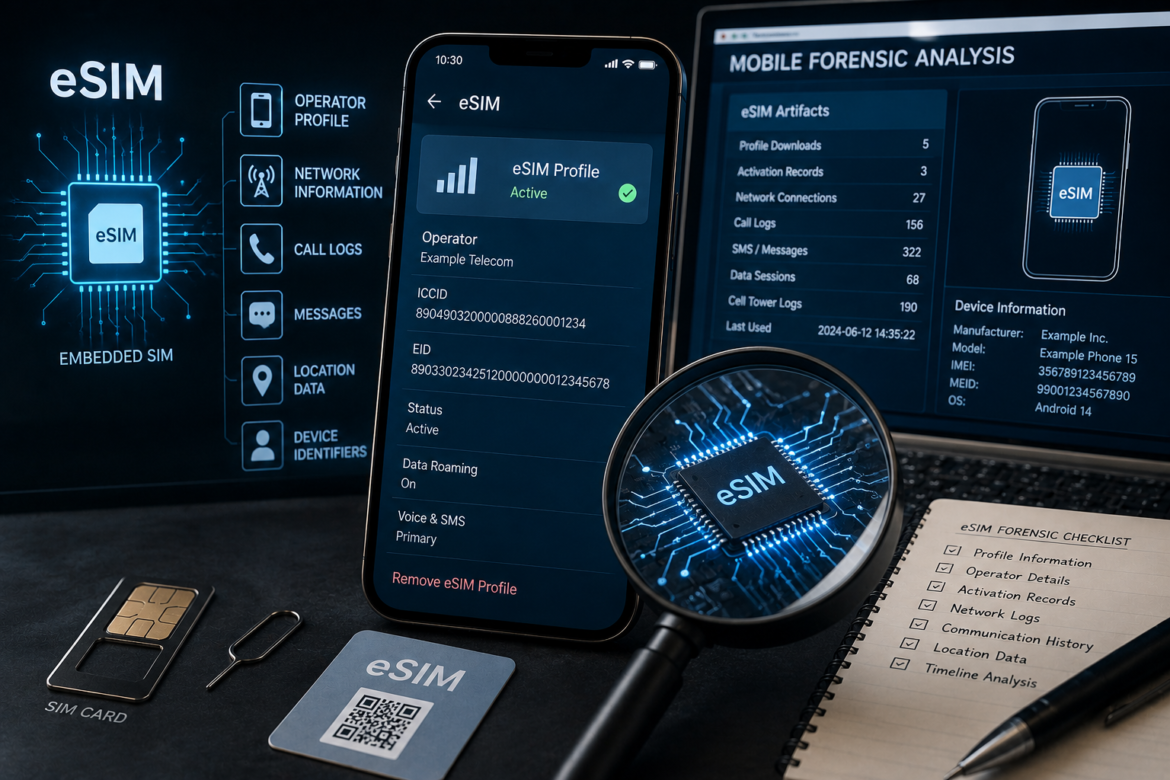
eSIM Forensics: Hidden Evidence Beyond Traditional SIM Cards

Have you ever wondered where digital evidence exists when a smartphone no longer contains a physical SIM card? As mobile technology continues to evolve, traditional SIM cards are gradually being replaced by embedded SIMs, commonly known as eSIMs. Although they improve convenience and security, they also introduce new challenges for ...

todayJuly 17, 2026

close

Blog Admin

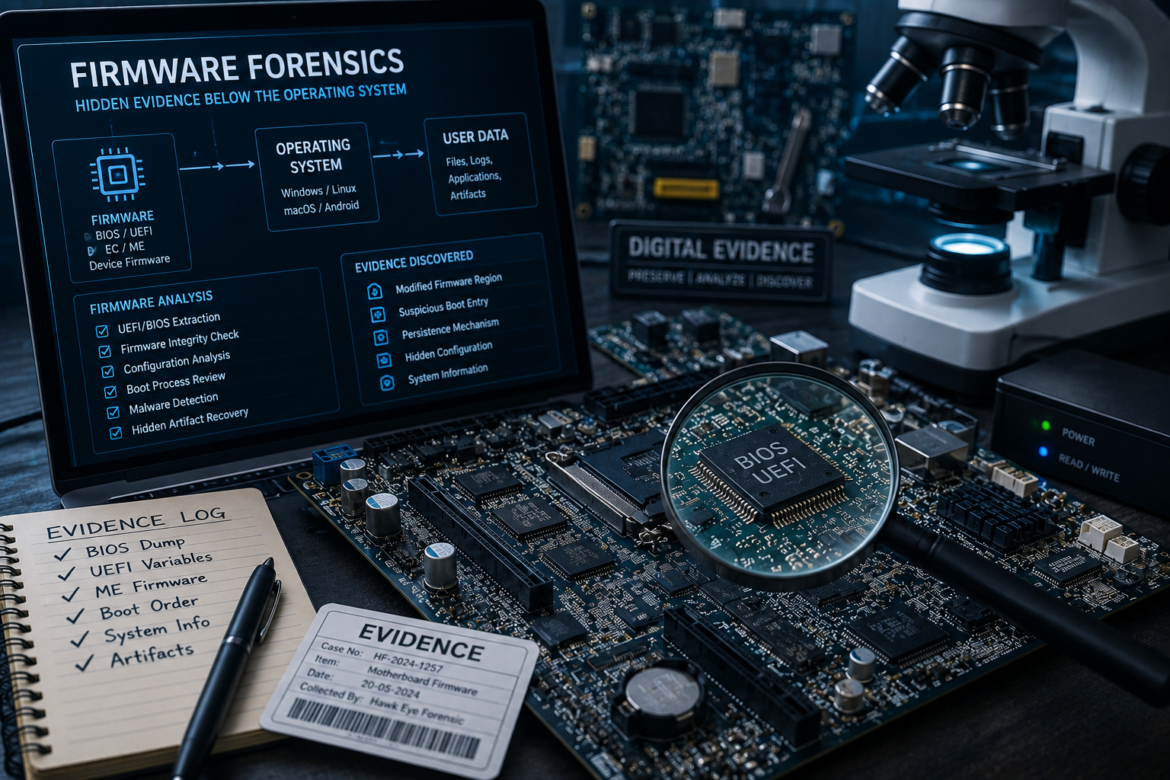
Firmware Forensics: Hidden Evidence Below the Operating System

When people think about digital forensic investigations, they often focus on files, emails, browser history, or deleted data stored on a device. However, valuable digital evidence can exist much deeper within a system. Hidden beneath the operating system lies firmware—a critical component that controls how hardware communicates with software. Firmware ...

todayJuly 16, 2026

close

Blog Admin

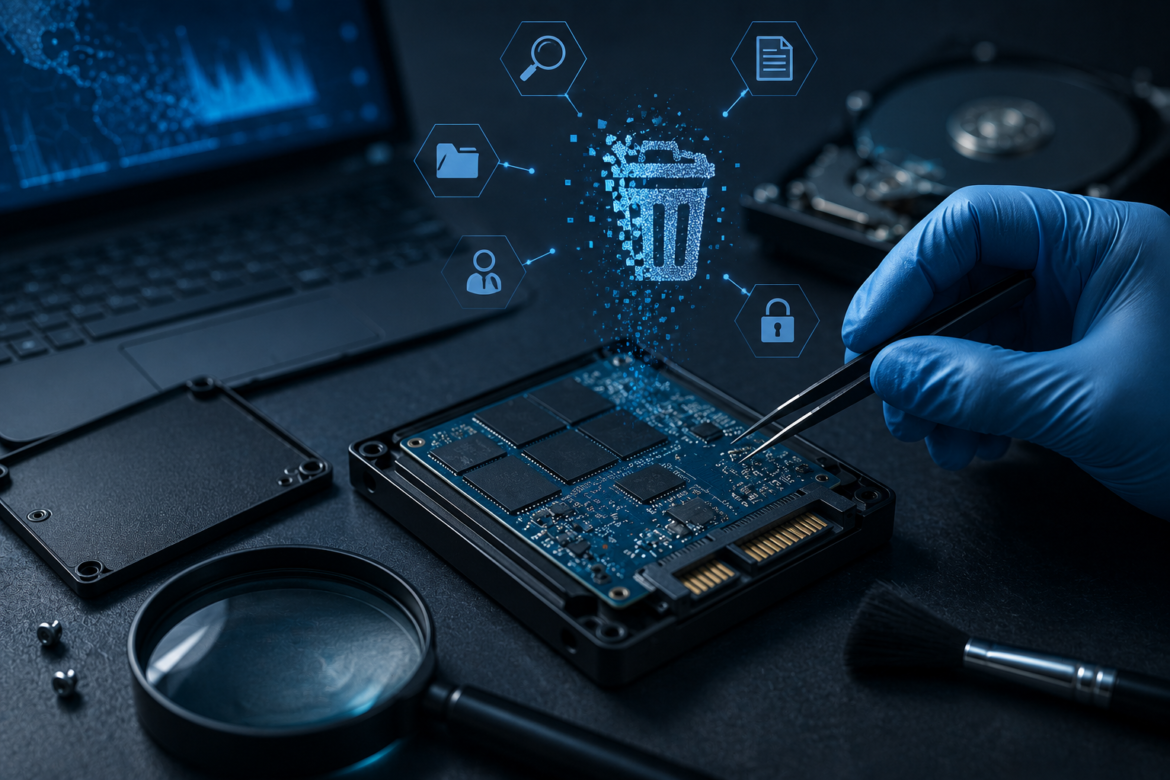
SSD Forensics: Why Recovering Deleted Data Is Becoming More Difficult

Have you ever wondered why recovering deleted files from modern devices has become increasingly difficult? The answer often lies in the type of storage technology being used. Today, most laptops, desktops, and smartphones rely on Solid-State Drives (SSDs) because they offer faster performance, improved reliability, and lower power consumption. However, ...

Blog Harinandhan A S / July 15, 2026

VPN Proxy Forensics: Identifying Hidden User Activity

Have you ever wondered whether a VPN can make someone completely anonymous online? Many people believe that VPNs and proxy services remove every digital footprint. However, that is not always true. VPN Proxy Forensics helps investigators uncover valuable digital evidence that may remain on devices, networks, and applications. VPN Proxy ...

todayJuly 3, 2026

close

Blog Harinandhan A S

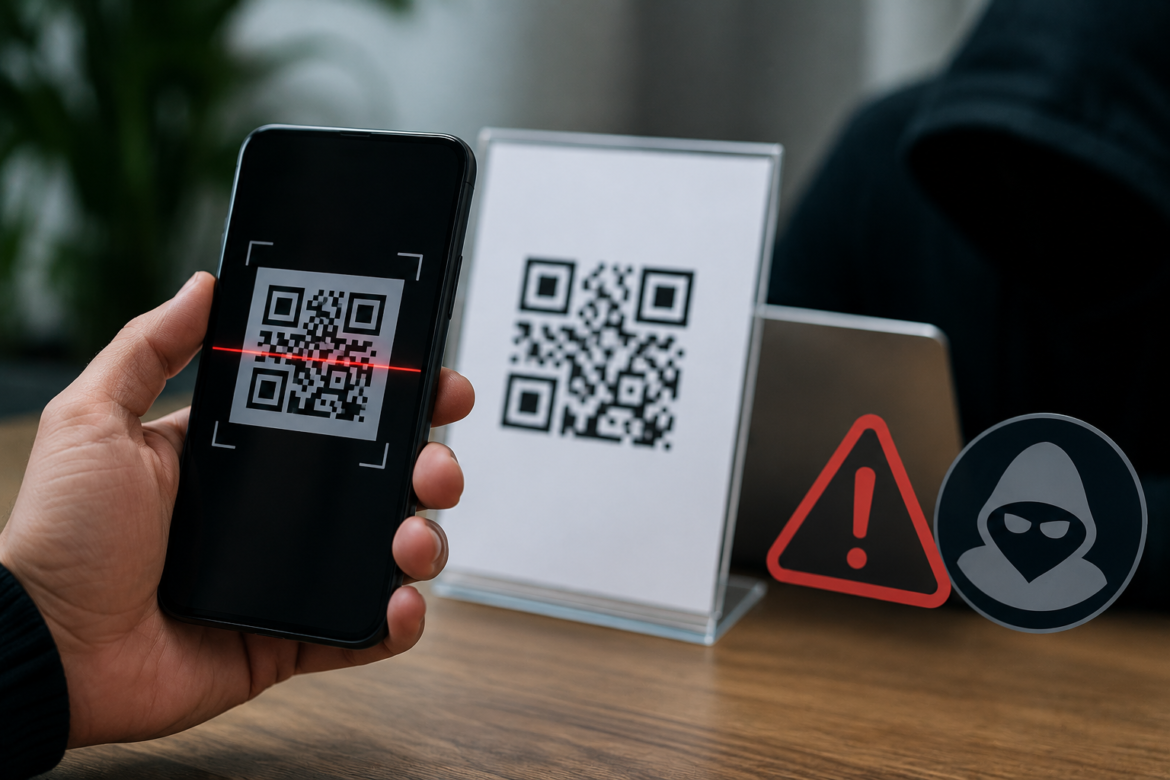
QR Code Scams: The New Face of Cybercrime

QR Code Scams have emerged as one of the fastest-growing cyber threats in today’s digital world. From restaurant menus and online payments to event tickets and banking applications, QR codes have become an essential part of everyday life. While they offer speed and convenience, cybercriminals are increasingly exploiting them to ...

todayJuly 3, 2026

close

Blog Harinandhan A S

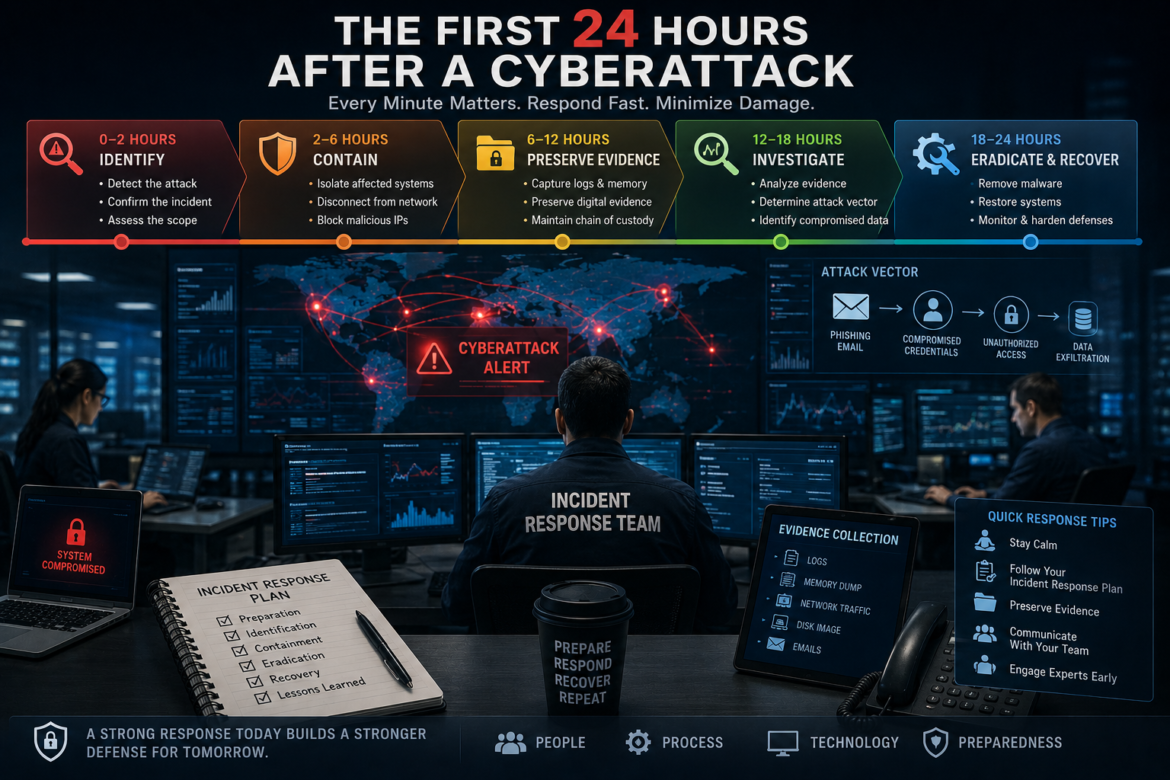
The First 24 Hours After a Cyberattack: Why Every Minute Matters

The first 24 hours after a cyberattack are the most critical period in any cybersecurity incident. Whether an organization experiences ransomware, a phishing attack, unauthorized network access, or data theft, the actions taken during the initial hours can significantly influence the outcome of the investigation and recovery process. Cybercriminals often ...

todayJune 18, 2026

close

Case study + Computer Forensics + Cyber Forensic Admin

Business Email Compromise (BEC): How Cybercriminals Exploit Email Trust

Business Email Compromise (BEC) is one of the fastest-growing forms of cybercrime, causing organizations worldwide to lose billions of dollars every year. Unlike traditional phishing attacks that rely on malicious attachments or links, BEC attacks use deception, social engineering, and impersonation to trick victims into transferring money or disclosing sensitive ...