Introduction
Wildlife crime is one of the fastest-growing forms of organized crime worldwide. Illegal hunting, poaching, trafficking of animal parts, illegal logging, and the smuggling of endangered species threaten biodiversity and disrupt ecosystems. To combat these crimes effectively, wildlife investigators rely on specialized crime investigation kits that help collect, preserve, and analyze evidence from crime scenes.
A wildlife crime investigation kit is much more than a collection of forensic tools. It is a portable laboratory that enables investigators, forest officers, wildlife wardens, and forensic experts to secure crucial evidence while maintaining its integrity. Proper use of these kits often determines whether offenders are successfully prosecuted or escape due to insufficient evidence.
What is a Wildlife Crime Investigation Kit?
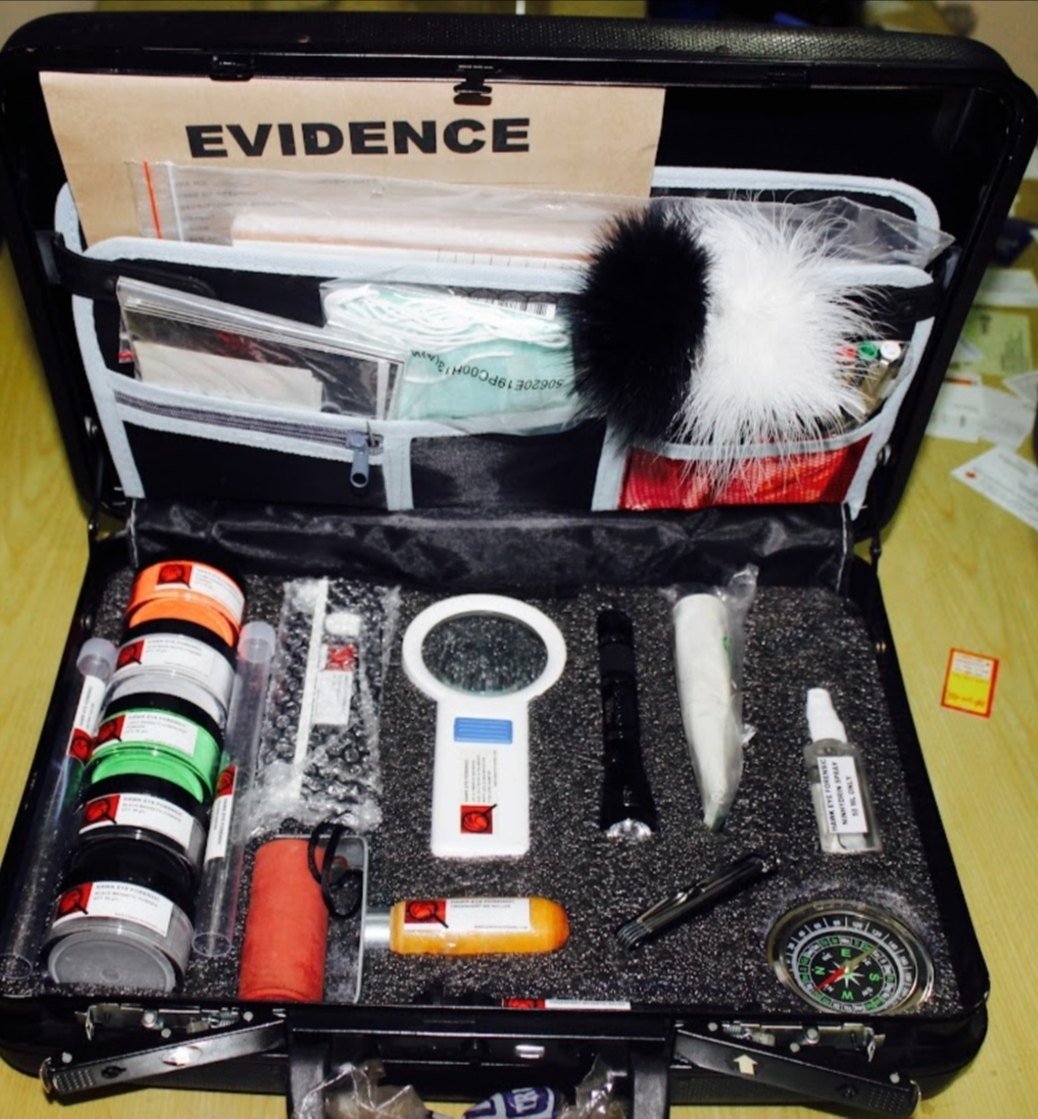
A wildlife crime investigation kit is a collection of forensic tools designed for examining outdoor crime scenes involving animals, plants, and environmental offences. These kits contain evidence collection materials, documentation tools, personal protective equipment (PPE), and packaging supplies to ensure that evidence is collected scientifically.
Unlike traditional criminal investigations, wildlife crime scenes are often located in forests, wetlands, mountains, or remote protected areas. Therefore, the equipment must be portable, durable, and suitable for harsh environmental conditions.
Why Wildlife Crime Investigations Need Forensic Kits
Wildlife crimes frequently involve hidden or destroyed evidence. Rain, sunlight, scavengers, and human activity can quickly contaminate or eliminate valuable clues.
A properly equipped investigation kit helps investigators:
- Preserve fragile evidence
- Prevent contamination
- Record accurate scene documentation
- Maintain chain of custody
- Collect biological and physical evidence
- Support laboratory examination
- Strengthen legal prosecution
Without proper evidence collection, even serious wildlife crimes may fail in court.
Types of Wildlife Crimes Investigated
Crime investigation kits are useful in investigating various offences, including:
- Poaching of endangered animals
- Illegal hunting
- Illegal wildlife trade
- Smuggling of animal products
- Illegal timber harvesting
- Bird trapping
- Poisoning of wildlife
- Illegal fishing
- Habitat destruction
- Animal cruelty cases involving protected species
Essential Components of a Wildlife Crime Investigation Kit
A standard wildlife crime investigation kit generally includes:
Personal Protective Equipment (PPE):-
Safety is always the first priority. PPE protects both investigators and evidence.
Typical items include:
- Disposable gloves
- Face masks
- Protective coveralls
- Shoe covers
- Safety goggles
These items prevent contamination and reduce exposure to biological hazards.
Evidence Collection Tools:-
Various tools assist in recovering physical evidence from the scene.
Examples include:
- Forceps
- Tweezers
- Scalpels
- Evidence spoons
- Magnifying glass
- Brushes
- Measuring tape
- Compass
- Scale ruler
These tools help recover hair, feathers, bones, insects, bullets, cartridges, fibers, and trace evidence.
Documentation Equipment:-
Accurate documentation is essential.
Common items include:
- Field notebook
- Waterproof writing pad
- Permanent markers
- Evidence labels
- Scene sketch templates
- Camera
- GPS device
- Local maps
Every observation should be recorded before evidence is disturbed.
Evidence Packaging Materials:-
Proper packaging protects evidence from damage.
Materials may include:
- Paper evidence bags
- Plastic evidence bags
- Transparent envelopes
- Sample bottles
- Swab containers
- Sealable bags
- Tamper-evident tape
- Evidence labels
Different evidence types require different packaging methods.
Biological Sample Collection:-
Wildlife investigations often require biological evidence collection.
Examples include:
- Blood samples
- Tissue samples
- Hair
- Feathers
- Bones
- Teeth
- Scales
- Skin
- Claws
Sterile swabs and collection tubes ensure uncontaminated samples for DNA analysis.
Fingerprint Collection:-
Although wildlife crimes often occur outdoors, fingerprints may still be recovered from:
- Firearms
- Traps
- Vehicles
- Containers
- Knives
- Illegal hunting equipment
Fingerprint powders, lifting tape, brushes, and backing cards are commonly included in advanced kits.
Firearms Evidence Collection:-
Many poaching cases involve firearms.
Crime kits help collect:
- Fired cartridge cases
- Bullets
- Shotgun pellets
- Gunshot residue samples
- Weapon documentation
Proper recovery preserves ballistic evidence for laboratory examination.
Footwear and Tire Impression Evidence:-
Remote wildlife crime scenes often contain impressions.
Investigators may document:
- Boot prints
- Bare footprints
- Tire marks
- Drag marks
- Animal tracks
Photography, measuring scales, casting materials, and impression lifting tools help preserve this evidence.
DNA Evidence Collection:-
DNA has become one of the strongest forms of evidence in wildlife crime.
Samples may be collected from:
- Blood stains
- Meat
- Bones
- Hair
- Skin
- Feathers
- Teeth
- Saliva
- Feces
DNA testing can identify species, determine geographic origin, and even link seized wildlife products to specific animals.
Poison Investigation:-
Poisoning is commonly used against predators and protected wildlife.
Evidence may include:
- Food bait
- Water samples
- Soil samples
- Chemical containers
- Dead insects
- Plant material
Proper containers prevent chemical contamination.
Wildlife Trafficking Investigations:-
Crime kits assist in examining:
- Smuggled animal parts
- Ivory
- Horns
- Reptile skins
- Bird feathers
- Turtle shells
- Live animals
Each item must be carefully documented, photographed, and packaged for laboratory analysis.
Maintaining the Chain of Custody
One of the most critical aspects of wildlife forensic investigations is maintaining the chain of custody.
Every evidence item should be:
- Assigned a unique identification number
- Properly labeled
- Sealed
- Recorded in evidence logs
- Stored securely
- Transferred using documented procedures
Failure to maintain chain of custody may result in evidence being rejected in court.
Benefits of Using Crime Investigation Kits in Wildlife Cases
Using standardized forensic kits provides several advantages:
- Faster crime scene processing
- Reduced evidence contamination
- Improved documentation accuracy
- Better laboratory results
- Stronger courtroom evidence
- Increased conviction rates
- Professional investigation standards
Challenges Faced During Wildlife Investigations
Wildlife investigators often encounter difficult conditions such as:
- Remote forest locations
- Extreme weather
- Wildlife hazards
- Limited communication
- Decomposed carcasses
- Contaminated crime scenes
- Difficult terrain
Portable investigation kits help investigators work efficiently even under these challenging conditions.
Best Practices for Wildlife Crime Scene Investigation
Investigators should follow these principles:
- Secure the crime scene immediately.
- Wear appropriate PPE.
- Photograph the scene before collecting evidence.
- Record GPS coordinates and environmental conditions.
- Collect evidence systematically.
- Package each item separately.
- Label every evidence package clearly.
- Maintain the chain of custody.
- Transport samples promptly to the laboratory.
- Prepare detailed documentation for legal proceedings.
Conclusion
Wildlife crime investigation has evolved into a highly specialized field that combines traditional investigative techniques with modern forensic science. A well-equipped crime investigation kit enables investigators to recover and preserve critical evidence from challenging outdoor environments, whether dealing with poaching, illegal wildlife trade, habitat destruction, or poisoning cases.
As wildlife crime becomes increasingly sophisticated, the importance of scientific evidence continues to grow. Proper use of crime investigation kits not only improves the quality of investigations but also strengthens prosecutions, helping protect endangered species and preserve biodiversity for future generations.




Post comments (0)