An Indian passport is not only a travel document but also an important proof of identity and nationality. To prevent forgery, counterfeiting, and unauthorized alterations, Indian passports incorporate several advanced security features. These features help immigration authorities, law enforcement agencies, and border control officials verify the authenticity of the document and protect citizens from identity fraud.
Introduction
With the rise in international travel and increasing instances of document fraud, passport security has become a critical concern worldwide. The Government of India incorporates multiple layers of physical and technological security features into Indian passports, making them difficult to duplicate or tamper with. Manufacturers integrate these security measures into various parts of the passport, including the cover, data page, security paper, printing elements, and embedded electronic components in e-passports.
The security features can be broadly classified into overt features, which are visible to the naked eye, and covert features, which require specialized tools or equipment for verification.
Passport Cover Security
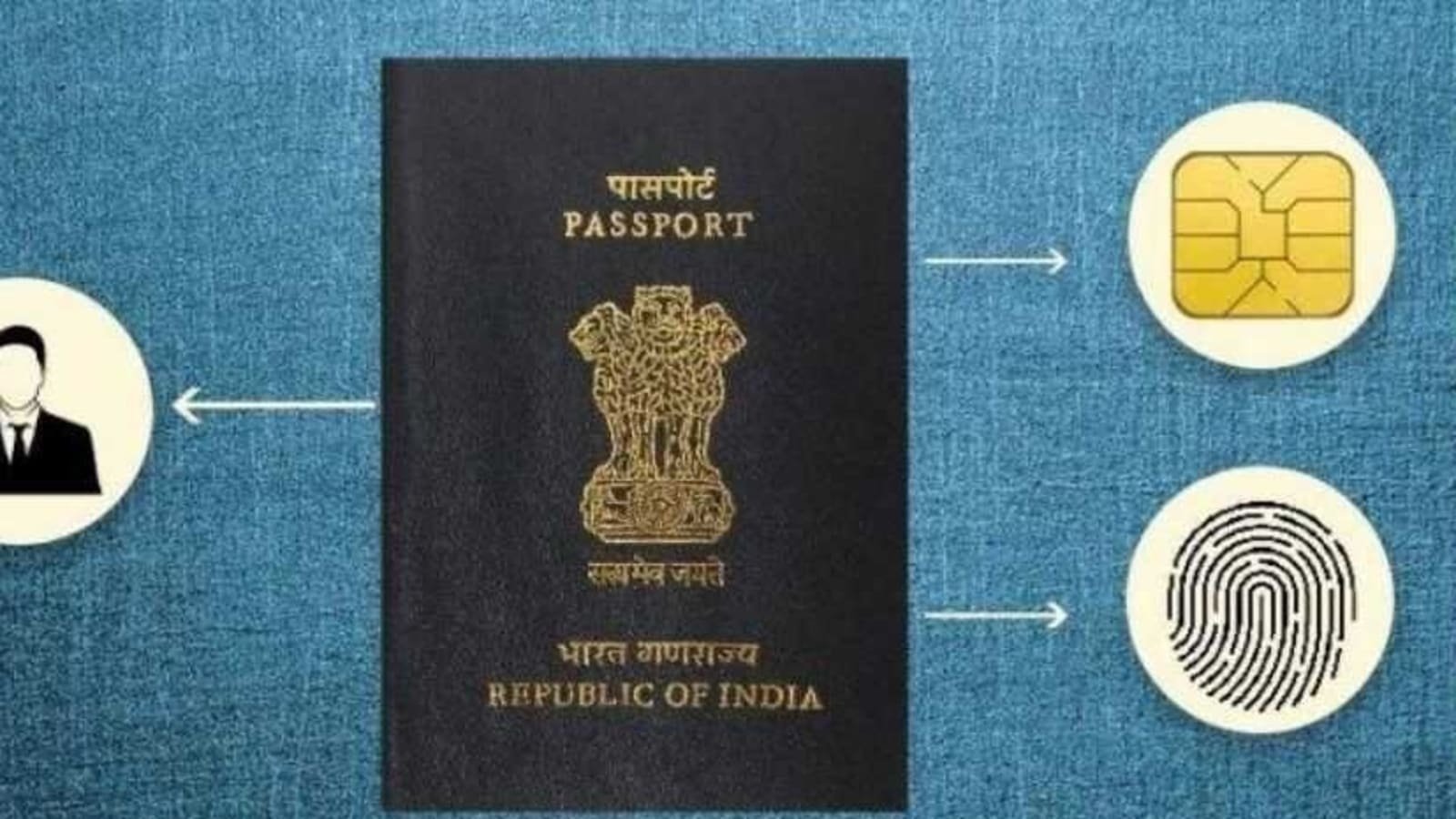
Manufacturers create the cover of an Indian passport using durable materials that withstand wear and tear. They emboss the national emblem of India in gold on the front cover. The quality of the embossing and printing provides an initial indication of the passport’s authenticity.
Modern Indian passports also use specialized inks and printing techniques that resist tampering and counterfeiting. The cover material is selected to prevent easy duplication and unauthorized alterations.
Watermarked Security Paper
One of the most important security features in Indian passports is the use of specially manufactured security paper. The paper contains watermarks that become visible when held against light.
These watermarks are integrated during the paper manufacturing process and cannot be reproduced using ordinary printing methods. The presence, clarity, and positioning of the watermark help authorities verify the authenticity of the passport.
Microprinting
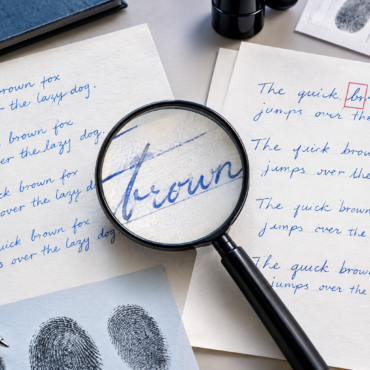
Microprinting is a widely used anti-counterfeiting feature in Indian passports. Tiny text, often too small to read with the naked eye, is printed in various locations throughout the document.
Under magnification, the text appears clear and readable. However, attempts to reproduce it through scanning or photocopying usually result in blurred or illegible characters. This feature helps distinguish genuine passports from counterfeit copies.
Guilloche Patterns
Indian passports contain intricate guilloche patterns consisting of complex interwoven lines and curves. These patterns are created using specialized security design software and are extremely difficult to replicate accurately.
The fine details of guilloche designs become distorted when copied or scanned, making them an effective deterrent against forgery. These patterns are commonly found on the data page and visa pages of the passport.
Intaglio Printing
Certain portions of the passport are printed using intaglio printing technology. This printing method creates raised ink impressions that can be felt by touch.
The tactile nature of intaglio printing provides an additional layer of authentication. Counterfeit documents often fail to reproduce the characteristic raised texture of genuine intaglio prints.
Ultraviolet (UV) Security Features
Indian passports contain several security elements that are visible only under ultraviolet light. These UV-reactive features may include fluorescent fibers, patterns, symbols, and text embedded within the pages.
When examined under UV illumination, these hidden features emit specific colors and patterns that are difficult to duplicate. Immigration and forensic experts frequently use UV examination to verify passport authenticity.
Machine Readable Zone (MRZ)
The Machine Readable Zone is located at the bottom of the passport’s personal information page. It contains encoded information such as the passport holder’s name, passport number, nationality, date of birth, and expiry date.
The MRZ follows international standards established by the International Civil Aviation Organization (ICAO). Automated border control systems scan this zone to quickly verify traveler information and detect discrepancies.
Security Laminate
The personal data page of the passport is protected by a security laminate containing multiple anti-counterfeiting features. This laminate safeguards the printed information and photograph from tampering.
Any attempt to remove or alter the laminate typically results in visible damage, making unauthorized modifications immediately apparent. Security laminates may also contain holographic and optically variable elements for enhanced protection.
Holographic Features
Holograms are an important component of passport security. Indian passports utilize holographic elements that display changing images, colors, or patterns when viewed from different angles.
These features are difficult to reproduce using conventional printing technologies and provide a quick method for visual authentication by border control officers.
Laser Engraving Technology
Modern passport production increasingly employs laser engraving techniques for personal information and photographs. Laser engraving creates highly durable markings within the document material rather than merely printing on the surface.
This technology makes alterations extremely difficult and provides resistance against erasure, scraping, or chemical tampering.
Perforated Passport Number
In many Indian passports, the passport number is perforated through selected pages. The tiny holes form the passport number and can be observed when pages are held against light.
Perforation serves as an additional security measure because replicating precise perforations across multiple pages is challenging for counterfeiters.
Embedded Personalization Features
Secure personalization techniques integrate the passport holder’s photograph, signature, and personal information into the document. These techniques link the details through multiple verification points within the passport.
Any attempt to alter one component often creates inconsistencies that examiners can detect during inspection.
E-Passport Security Features
India has begun issuing e-passports equipped with an embedded electronic chip. This chip securely stores biometric and personal data of the passport holder.
The chip incorporates advanced cryptographic security mechanisms that protect against unauthorized access and cloning. E-passports also support digital authentication, allowing authorities to verify the integrity of stored information electronically.
The implementation of e-passports significantly enhances border security while reducing the risk of identity fraud and document manipulation.
Conclusion
Indian passports incorporate a combination of traditional and advanced security technologies to ensure authenticity and protection against forgery. Features such as watermarks, microprinting, guilloche patterns, UV elements, holograms, security laminates, machine-readable zones, laser engraving, and electronic chips work together to create a highly secure travel document.
As document fraud techniques continue to evolve, passport security systems are also becoming more sophisticated. The introduction of e-passports represents a major advancement in India’s efforts to strengthen identity verification and enhance international travel security.
Understanding these security features is essential for forensic professionals, document examiners, law enforcement agencies, and travelers alike, as they play a crucial role in maintaining the integrity of one of the world’s most important identification documents.



Post comments (0)