Neerav Jindal

32 Results / Page 2 of 4

Background

todayMay 8, 2026

close

Mobile Forensic + Digital Forensics + Data Recovery + HardDriveRecovery Neerav Jindal

Recovering Evidence from Damaged Storage Devices

Digital evidence is often stored on fragile media that can be physically damaged, electronically corrupted, or intentionally destroyed. In many investigations, storage devices arrive in conditions far from ideal — burnt in fires, submerged in water, crushed during accidents, or deliberately tampered with to prevent data recovery. Despite these challenges, ...

todayMay 7, 2026

close

Digital Forensics + Data Recovery + Mobile Forensic + Data forensic Neerav Jindal

Challenges in Investigating Encrypted Devices

In today’s digital age, encryption has become a standard security feature across smartphones, laptops, cloud platforms, and messaging applications. While encryption protects user privacy and sensitive information from cybercriminals, it also creates significant obstacles for digital forensic investigators attempting to recover evidence during criminal investigations. From locked smartphones to encrypted ...

todayMay 6, 2026

close

Fingerprint Examination + forensic fingerprint Neerav Jindal

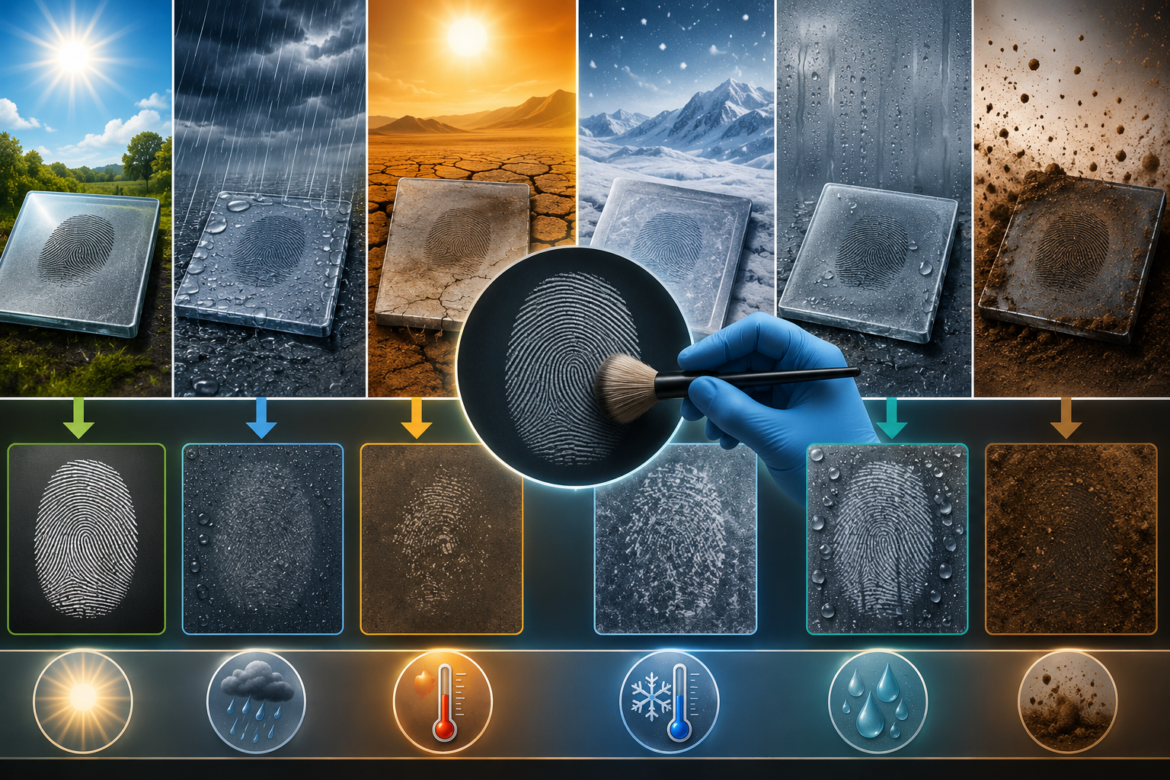
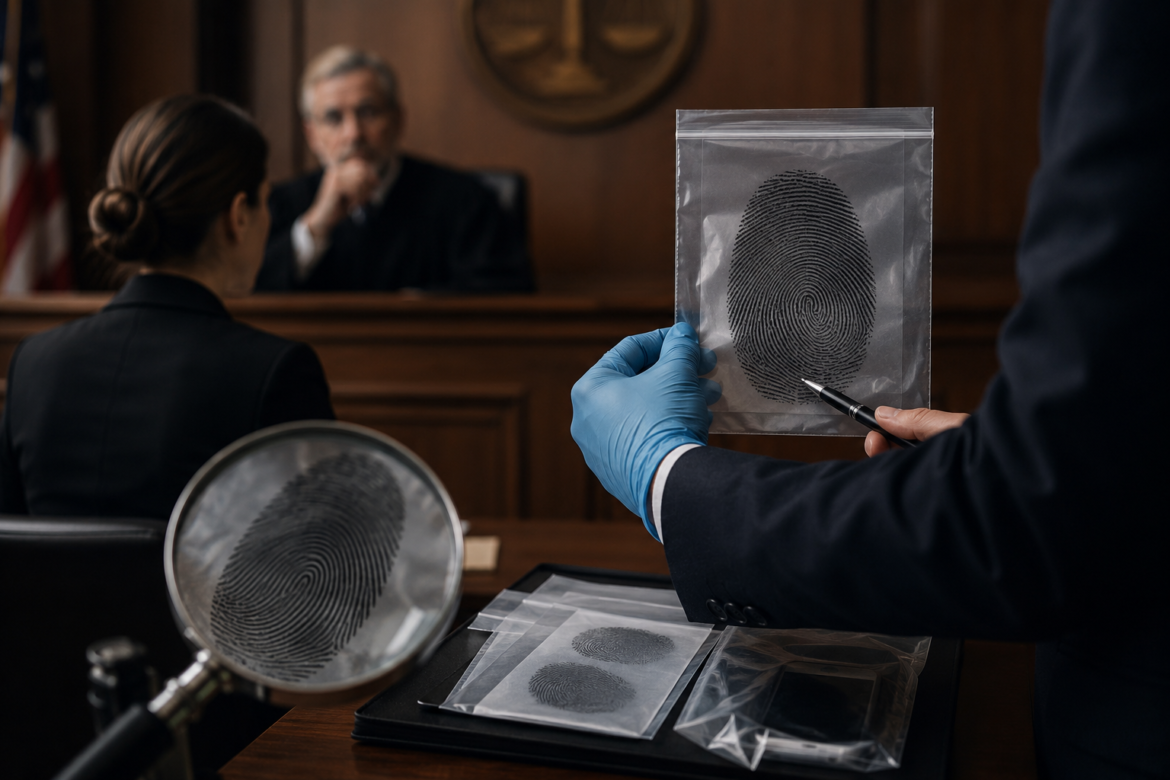
Challenges in Partial or Smudged Fingerprint Analysis

Introduction Fingerprint analysis has long been considered one of the most reliable methods of personal identification in forensic science. However, real-world crime scenes rarely provide perfect, textbook-quality prints. Investigators often encounter partial, distorted, or smudged fingerprints, which introduce significant complexity into the identification process. These imperfect impressions can still hold ...

todayMay 5, 2026

close

Mobile Forensic + Computer Forensics + Digital Forensics Neerav Jindal

Dealing with Legacy Devices in Digital Forensics

Introduction Legacy devices in digital forensics continue to play a critical role in investigations despite rapid technological advancements. From old mobile phones to obsolete storage media, these devices often contain valuable historical evidence. Understanding how to properly handle legacy devices in digital forensics ensures that investigators do not miss crucial ...

todayMarch 10, 2026

close

Mobile Forensic + Computer Forensics + Digital Forensics Neerav Jindal

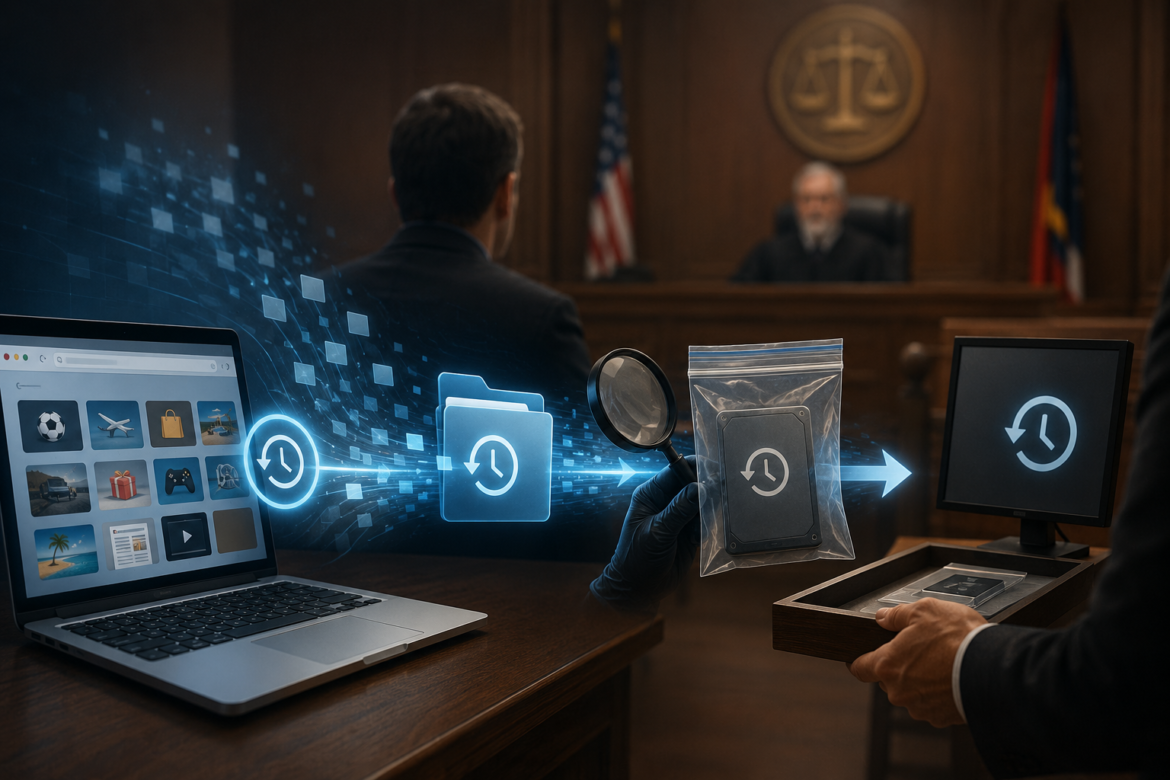
Thumbcache Files and Image Evidence in Digital Forensics

Introduction In the modern digital world, images play a crucial role in communication, documentation, and personal expression. From photographs captured on smartphones to screenshots stored on computers, image files are frequently encountered during digital forensic investigations. However, even when a user deletes or moves image files, traces of those images ...

todayMarch 7, 2026

close

Data forensic + Mobile Forensic + Computer Forensics + Digital Forensics + Data Recovery + DeletedDataRecovery + DataRecoveryExperts + Cyber Forensic Neerav Jindal

Advanced Mobile Forensics: JTAG, Chip-Off, and ISP Extraction

Modern smartphones store vast amounts of digital evidence, including messages, call logs, photos, application data, and system artifacts. As a result, mobile devices often become critical sources of information during digital investigations. However, investigators do not always gain easy access to this data. In many cases, devices may be locked, ...

todayMarch 7, 2026

close

Mobile Forensic + Computer Forensics + Digital Forensics + cloud forensic Neerav Jindal

Browser Forensics: Recovering User Activity from Chrome and Edge

Modern investigations often reveal a simple truth: a large portion of user activity happens inside a web browser. From communication and financial transactions to research and file downloads, browsers store valuable traces of user behavior. For digital forensic investigators, browsers such as Google Chrome and Microsoft Edge can provide a detailed record of ...

todayMarch 7, 2026

close

Mobile Forensic + Computer Forensics + Digital Forensics Neerav Jindal

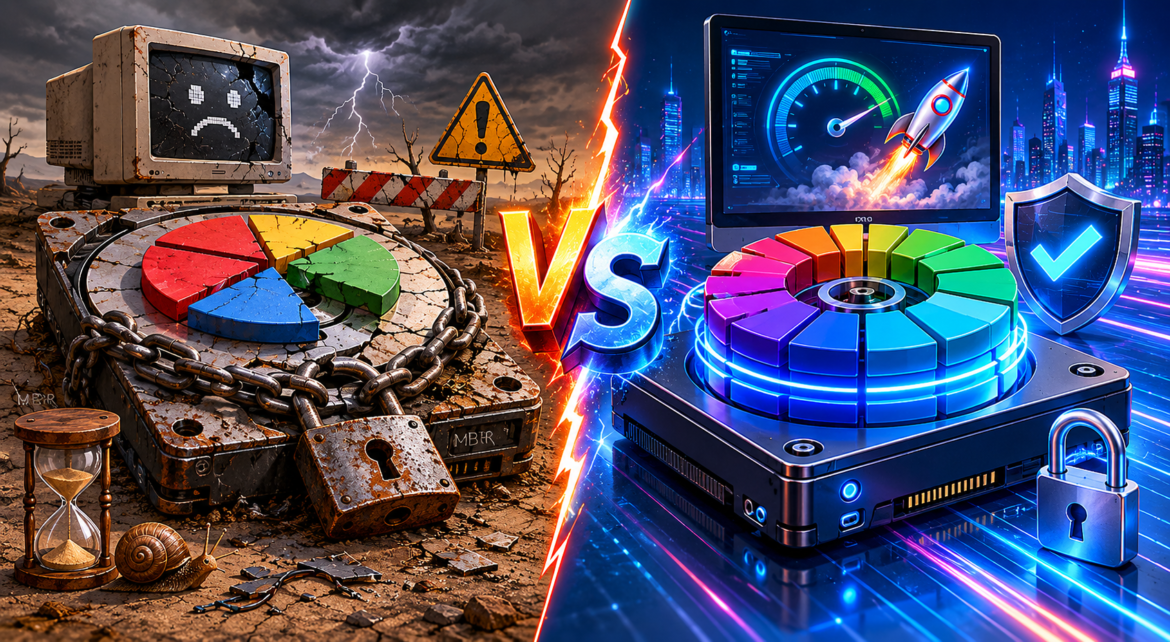
File System Basics Every Digital Investigator Must Understand

Digital investigations often begin with one simple question: where does the evidence actually live? The answer usually lies inside the file system. A file system is the structure an operating system uses to store, organize, and retrieve data on a storage device such as a hard drive, SSD, USB drive, or memory card. For ...

todayMarch 2, 2026

close

Mobile Forensic + Computer Forensics + Digital Forensics + Malware + Forensic Tool Neerav Jindal

File Signature Analysis: Identifying Files Beyond Extensions

Introduction At first glance, a file extension may seem trustworthy. However, in digital investigations, appearances can be misleading. For example, a file named invoice.pdf might not be a PDF at all. Cybercriminals often rename malicious files to trick users and bypass security filters. As a result, investigators cannot rely only ...