Introduction
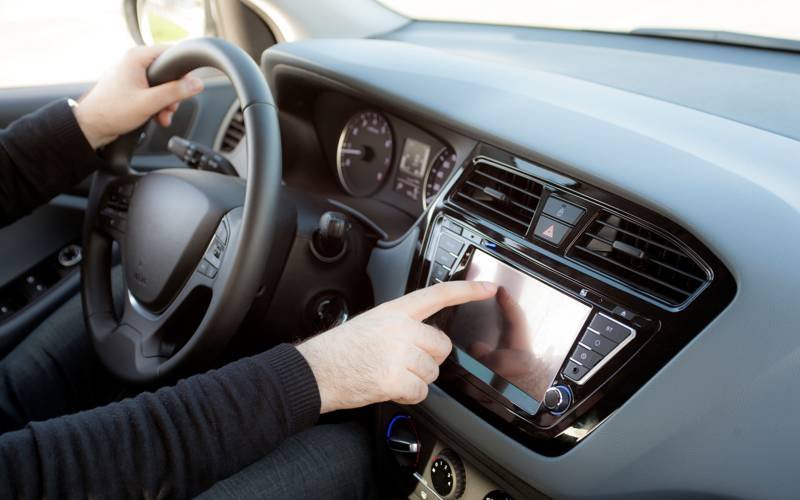
Vehicle forensics, also known as automotive digital forensics, is an emerging and rapidly evolving field within digital investigations. With modern vehicles transforming into “computers on wheels,” they generate vast amounts of data through electronic control units (ECUs), sensors, infotainment systems, and cloud connectivity. This data plays a crucial role in accident reconstruction, criminal investigations, insurance disputes, and cybersecurity analysis.
As automotive technology advances, vehicle forensics is becoming both more powerful and more complex.
Emerging Trends in Vehicle Forensics
1. Rise of Connected and Smart Vehicles
Modern vehicles are increasingly integrated with internet connectivity, mobile apps, and cloud platforms. These connected systems store and transmit data such as GPS locations, call logs, driver behavior, and vehicle status.
Forensic Impact:
- Investigators can reconstruct trips, user activity, and timelines
- Data can be extracted not only from the vehicle but also from mobile apps and cloud servers
2. Growth of Autonomous and ADAS Systems
Advanced Driver Assistance Systems (ADAS) and autonomous driving technologies rely heavily on sensors, cameras, and AI algorithms.
Forensic Impact:
- Availability of detailed event data (collision avoidance, braking, lane changes)
- Enhanced accident reconstruction accuracy
3. Explosion of In-Vehicle Data
Modern vehicles generate massive amounts of data from multiple sources such as ECUs, infotainment systems, telematics, and sensors.
Forensic Impact:
- Rich evidence sources for investigations
- Need for advanced tools to filter and analyze large datasets
4. Integration of AI and Machine Learning
Artificial Intelligence is increasingly used in automotive systems and forensic tools.
Forensic Impact:
- Automated pattern detection and anomaly analysis
- Faster processing of large volumes of vehicle data
5. Cloud and Mobile Ecosystem Forensics
Vehicle data is no longer confined to the car itself. It is distributed across:
- Manufacturer servers
- Mobile applications
- Third-party platforms
Forensic Impact:
- Multi-source evidence collection
- Cross-device correlation (vehicle + phone + cloud)
6. Emergence of Electric Vehicles (EVs)
Electric vehicles introduce new forensic elements such as battery management systems, charging logs, and energy usage patterns.
Forensic Impact:
- New types of evidence (charging history, energy consumption)
- Expanded scope of investigation
Key Challenges in Vehicle Forensics
1. Lack of Standardization
Different manufacturers use proprietary systems, formats, and protocols.
Challenge:
- Difficult to create universal forensic tools
- Limited interoperability
2. Data Accessibility Issues
Accessing vehicle data often requires specialized tools or manufacturer cooperation.
Challenge:
- Restricted access to critical evidence
- Legal and technical barriers
3. Cybersecurity Threats
Connected vehicles are vulnerable to hacking and cyberattacks.
Challenge:
- Risk of evidence tampering
- Difficulty distinguishing between user actions and malicious activity
4. Massive Data Volume
Modern vehicles generate huge datasets, making analysis time-consuming.
Challenge:
- Data overload
- Need for automation and efficient filtering
5. Legal and Privacy Concerns
Vehicle data often includes personal information such as location history and user behavior.
Challenge:
- Compliance with privacy laws
- Admissibility of digital evidence in court
6. Rapid Technological Evolution
Automotive technology is evolving faster than forensic methodologies.
Challenge:
- Constant need for tool updates and training
- Skill gap among forensic investigators
7. Limited Forensic Readiness
Most vehicles are not designed with forensic investigation in mind.
Challenge:
- Lack of standardized logging and secure evidence storage
- Difficulty in preserving data integrity
Conclusion
Vehicle forensics is becoming a critical component of modern investigations due to the rapid digitalization of automobiles. While advancements such as connected vehicles, AI, and cloud integration are opening new opportunities, they also introduce significant challenges related to data access, security, and legal compliance.
To keep pace with this evolving landscape, forensic professionals must adopt advanced tools, continuous training, and collaborative approaches with automotive and cybersecurity industries.



Post comments (0)