
Criminal investigation

6 Results / Page 1 of 1

Background

todayJune 11, 2026

close

Blog vanshika

What Happens During the First Hour of a Crime Scene Investigation?

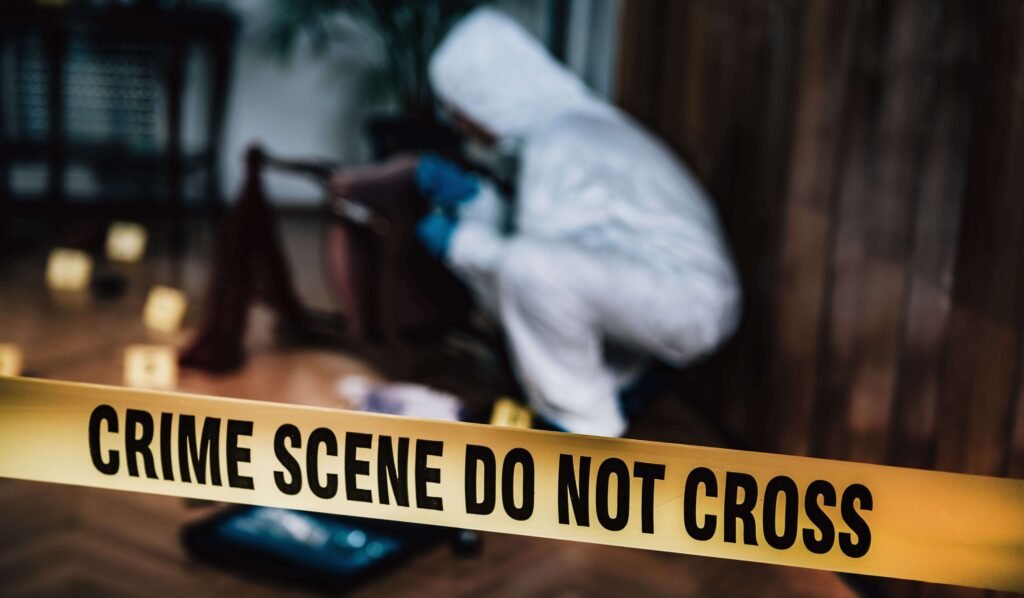
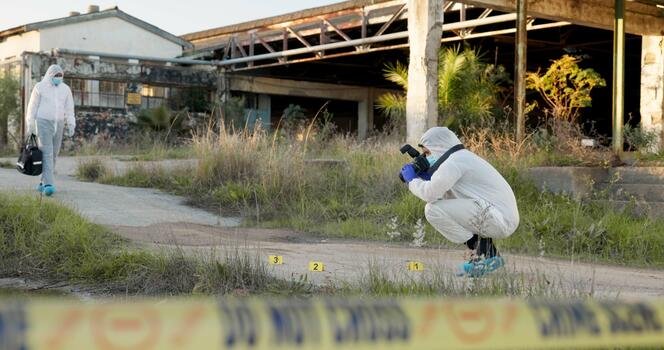
Introduction The first hour after a crime scene is discovered is often referred to as the “golden hour” of investigation. During this critical period, investigators work quickly to secure, assess, document, and preserve evidence before it can be altered, contaminated, or destroyed. The actions taken in these first sixty minutes ...

todayMay 29, 2026

close

Blog vanshika

History and Evolution of Fingerprint Analysis

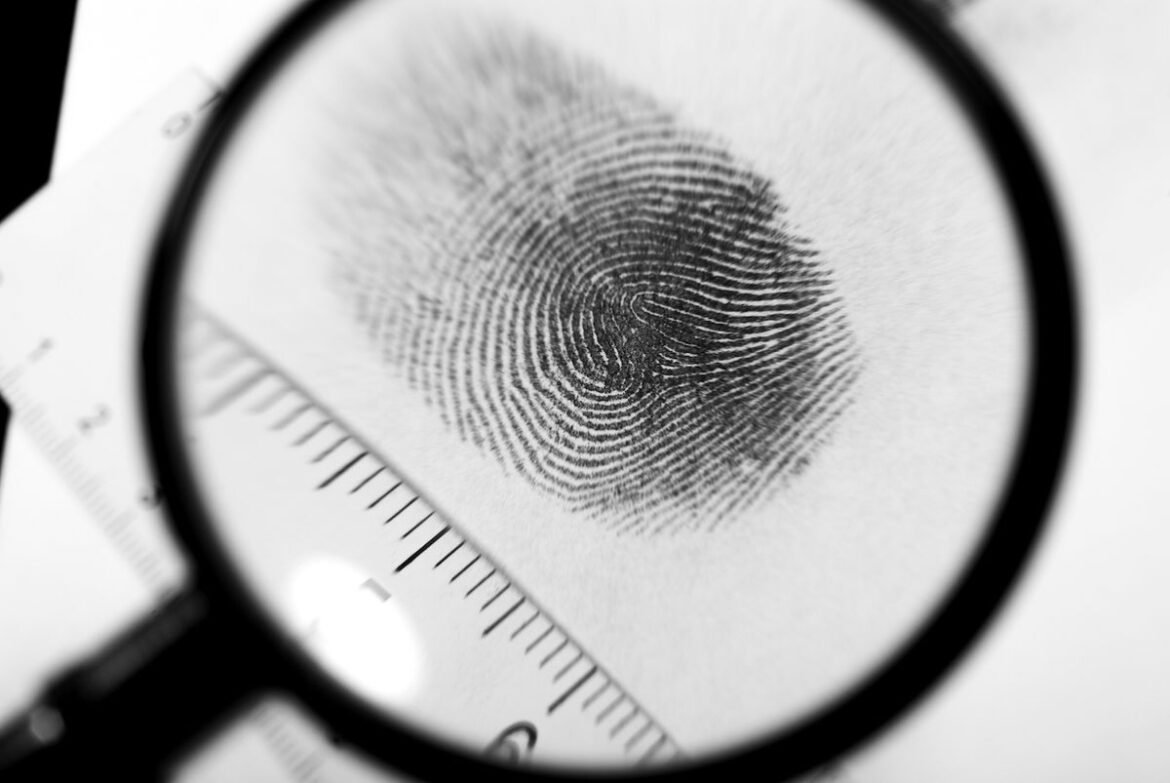
Introduction  Fingerprint analysis is one of the oldest and most reliable methods of personal identification used in criminal investigations. Every individual possesses unique fingerprint patterns that remain unchanged throughout life, making fingerprints a powerful tool in forensic science. Over centuries, fingerprint analysis has evolved from simple observations of skin patterns ...

todayMay 27, 2026

close

Blog vanshika

Types of Evidence in Criminal Investigations

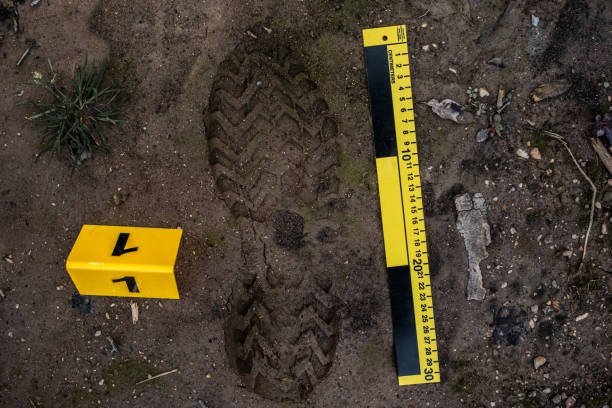
Introduction In every criminal investigation, evidence plays a crucial role in uncovering the truth, identifying suspects, and ensuring justice. Evidence helps investigators reconstruct events, establish links between victims and suspects, and present reliable facts in court. Without proper evidence, even the most serious crimes can remain unsolved. From fingerprints and ...

todayMay 14, 2026

close

Fingerprint Examination + forensic fingerprint Neerav Jindal

Fingerprint Evidence in Court: Reliability and Challenges

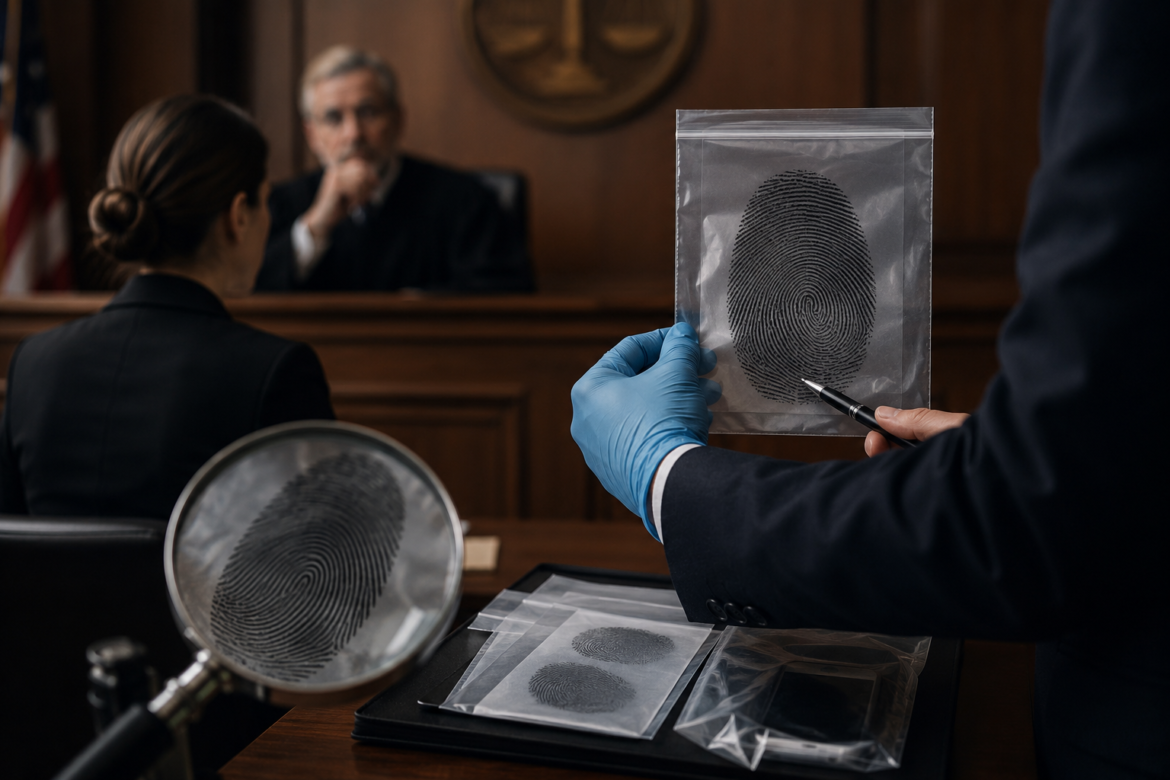
Fingerprint evidence has long been regarded as one of the most trusted forms of forensic identification in criminal investigations. For more than a century, courts worldwide have accepted fingerprints as a powerful tool for linking suspects to crime scenes. The uniqueness and permanence of fingerprint ridge patterns make them a ...

todayMay 4, 2026

close

Blog vanshika

Can Fire Destroy Evidence? The Truth About Burned Crime Scenes

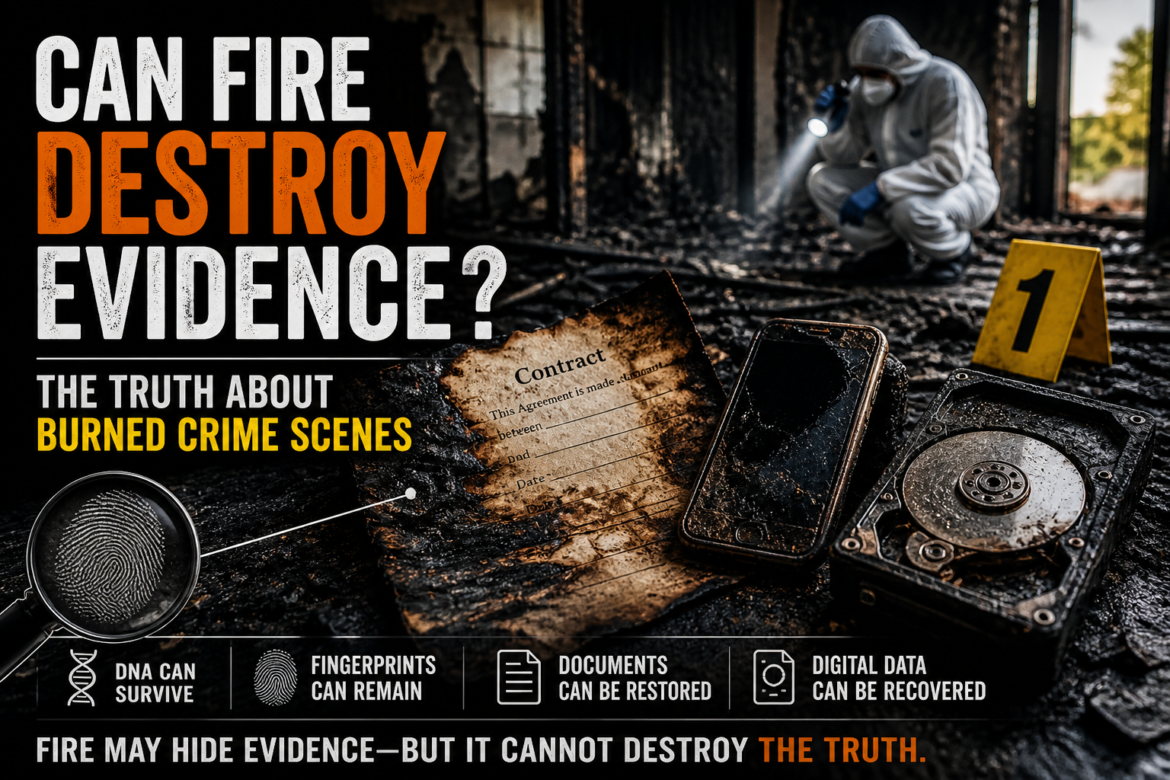
Introduction Fire is often seen as a perfect eraser, which is capable of reducing objects, structures, and even entire crime scenes to ashes. In popular imagination, setting a fire is the perfect way to destroy evidence and eliminate traces of a crime. But in reality, fire is far from a ...