
Computer Forensics

47 Results / Page 1 of 6

Background

todayJune 10, 2026

close

Computer Forensics + Cyber Forensic + cloud forensic + Digital Forensics + Cybersecurity Neerav Jindal

Cloud Computing Models : Iaas, Paas, Saas

Introduction Cloud computing has transformed the way individuals and organizations store data, run applications, and manage digital infrastructure. Instead of relying solely on physical hardware located on-premises, businesses can access computing resources over the internet with greater flexibility, scalability, and cost efficiency. Understanding different cloud deployment types and service models ...

todayJune 5, 2026

close

Data forensic + Mobile Forensic + Computer Forensics + Data Recovery + DataRecovery + DeletedDataRecovery + Digital Forensics + Cyber Forensic Harinandhan A S

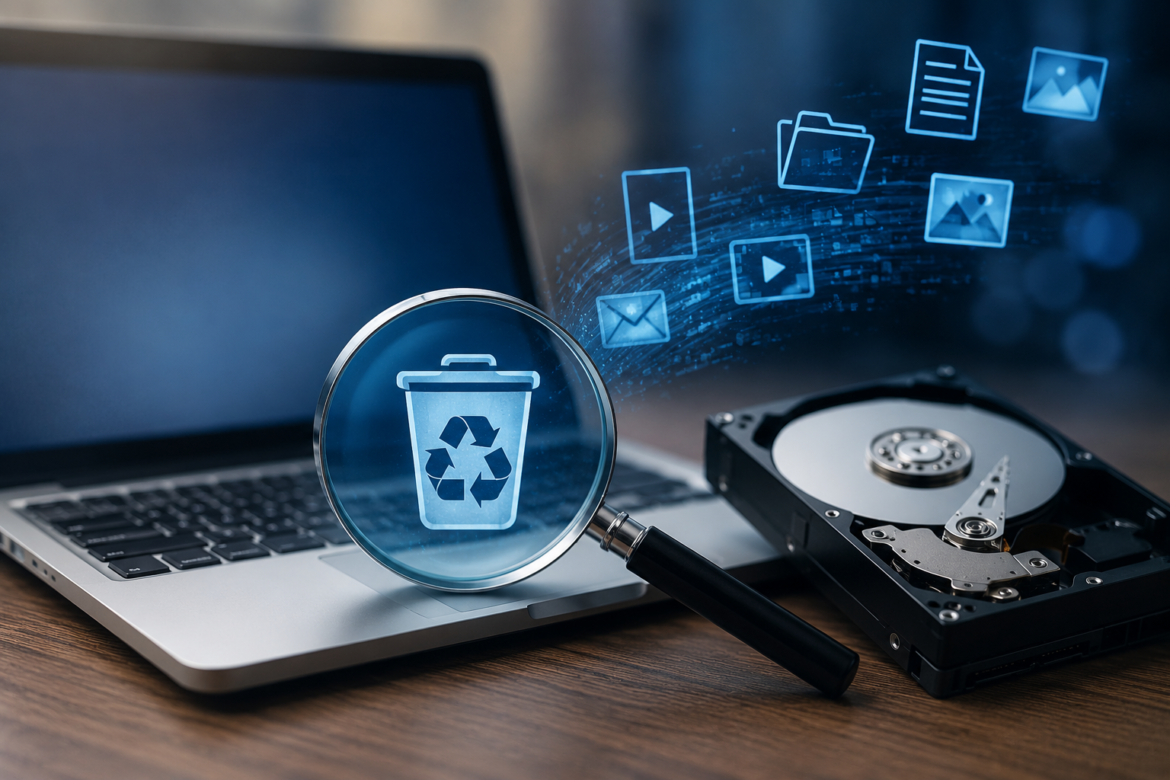
Deleted Data Recovery: Is Your Deleted Information Really Gone?

Introduction Have you ever accidentally deleted an important photo, WhatsApp message, document, or email and wondered whether you could get it back? Many people believe that deleted data disappears forever. However, that is not always true. In many cases, digital forensic experts can recover deleted information using specialized tools and ...

todayMay 19, 2026

close

Blog + Mobile Forensic + Computer Forensics + Digital Forensics Neerav Jindal

Anti-Forensics Techniques Criminals Use

In today’s digital world, criminals are becoming increasingly sophisticated in hiding their tracks. As forensic experts develop advanced tools to recover and analyze evidence, offenders respond with anti-forensics techniques—methods specifically designed to obstruct digital investigations. Anti-forensics is the practice of manipulating, concealing, or destroying digital evidence to make forensic analysis ...

todayMay 12, 2026

close

Computer Forensics + Digital Forensics Neerav Jindal

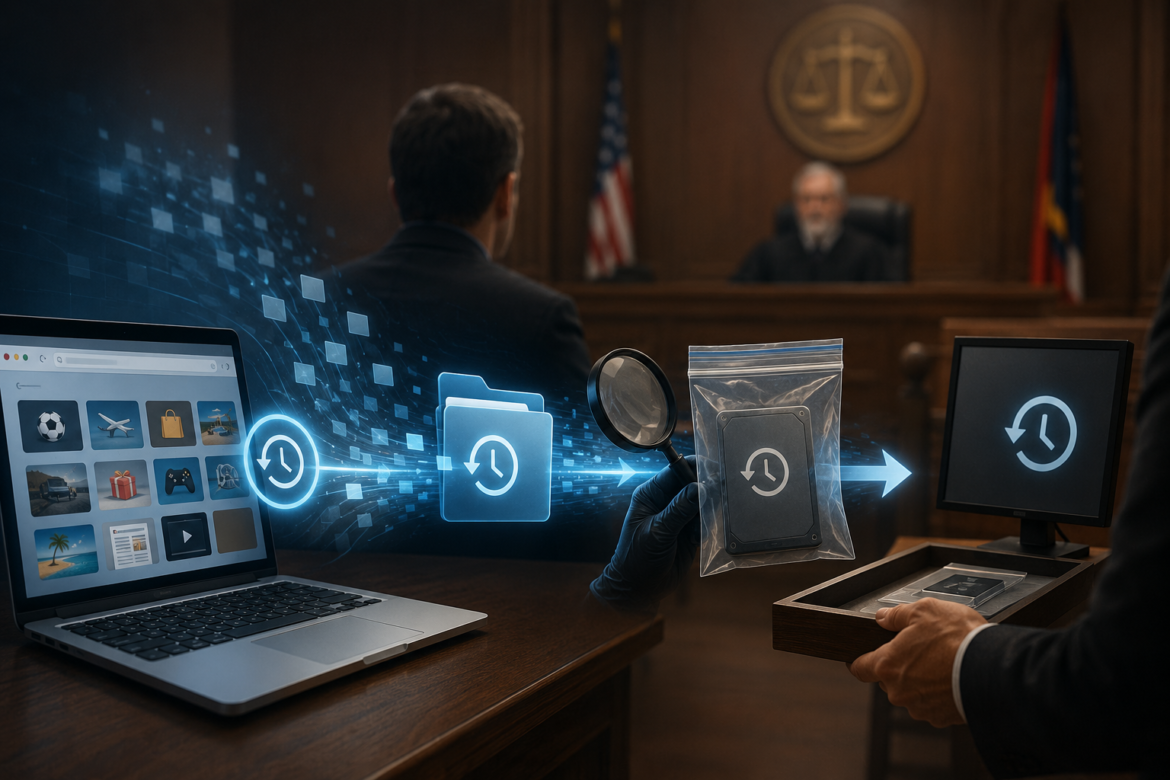
How Browser History Becomes Courtroom Evidence

Every click leaves a trace. Whether someone is researching harmless information, accessing confidential data, or attempting to hide suspicious activity, their browser history often records valuable digital footprints. In digital forensic investigations, browser history is far more than a list of visited websites—it can become critical courtroom evidence that helps ...

todayMay 5, 2026

close

Mobile Forensic + Computer Forensics + Digital Forensics Neerav Jindal

Dealing with Legacy Devices in Digital Forensics

Introduction Legacy devices in digital forensics continue to play a critical role in investigations despite rapid technological advancements. From old mobile phones to obsolete storage media, these devices often contain valuable historical evidence. Understanding how to properly handle legacy devices in digital forensics ensures that investigators do not miss crucial ...

todayMarch 10, 2026

close

Mobile Forensic + Computer Forensics + Digital Forensics Neerav Jindal

Thumbcache Files and Image Evidence in Digital Forensics

Introduction In the modern digital world, images play a crucial role in communication, documentation, and personal expression. From photographs captured on smartphones to screenshots stored on computers, image files are frequently encountered during digital forensic investigations. However, even when a user deletes or moves image files, traces of those images ...

todayMarch 7, 2026

close

Data Recovery + DeletedDataRecovery + DataRecoveryExperts + Cyber Forensic + Data forensic + Mobile Forensic + Computer Forensics + Digital Forensics Neerav Jindal

Advanced Mobile Forensics: JTAG, Chip-Off, and ISP Extraction

Modern smartphones store vast amounts of digital evidence, including messages, call logs, photos, application data, and system artifacts. As a result, mobile devices often become critical sources of information during digital investigations. However, investigators do not always gain easy access to this data. In many cases, devices may be locked, ...

todayMarch 7, 2026

close

Mobile Forensic + Computer Forensics + Digital Forensics + cloud forensic Neerav Jindal

Browser Forensics: Recovering User Activity from Chrome and Edge

Modern investigations often reveal a simple truth: a large portion of user activity happens inside a web browser. From communication and financial transactions to research and file downloads, browsers store valuable traces of user behavior. For digital forensic investigators, browsers such as Google Chrome and Microsoft Edge can provide a detailed record of ...