
Blog

171 Results / Page 3 of 19

Background

todayJuly 10, 2026

close

Blog Mudita

Digital Evidence from Smart Homes (IoT)

Digital Evidence from Smart Homes (IoT): A New Frontier in Digital Forensic Investigations The rapid adoption of Internet of Things (IoT) devices has transformed ordinary homes into interconnected smart environments. Smart speakers, security cameras, smart locks, thermostats, wearable devices, smart TVs, and connected appliances continuously collect and exchange data to ...

todayJuly 10, 2026

close

Blog Harinandhan A S

Audio Forensics: Detecting Edited & Fake Audio

In today’s digital world, audio recordings have become some of the most powerful forms of evidence. From phone conversations and WhatsApp voice notes to CCTV recordings and hidden microphones, audio files often play a crucial role in criminal investigations, corporate disputes, legal proceedings, and media verification. But a recording is ...

todayJuly 8, 2026

close

Blog Harinandhan A S

The Journey of Digital Evidence: From Crime Scene to Courtroom

  Every cybercrime investigation begins with a single piece of digital evidence. It may be a smartphone recovered from a suspect, a laptop found at a crime scene, a surveillance video, or an email linked to fraudulent activity. However, collecting digital evidence is only the beginning. To ensure that the ...

todayJuly 8, 2026

close

Blog Harinandhan A S

How Investigators Unlock Digital Evidence from Damaged Mobile Phones

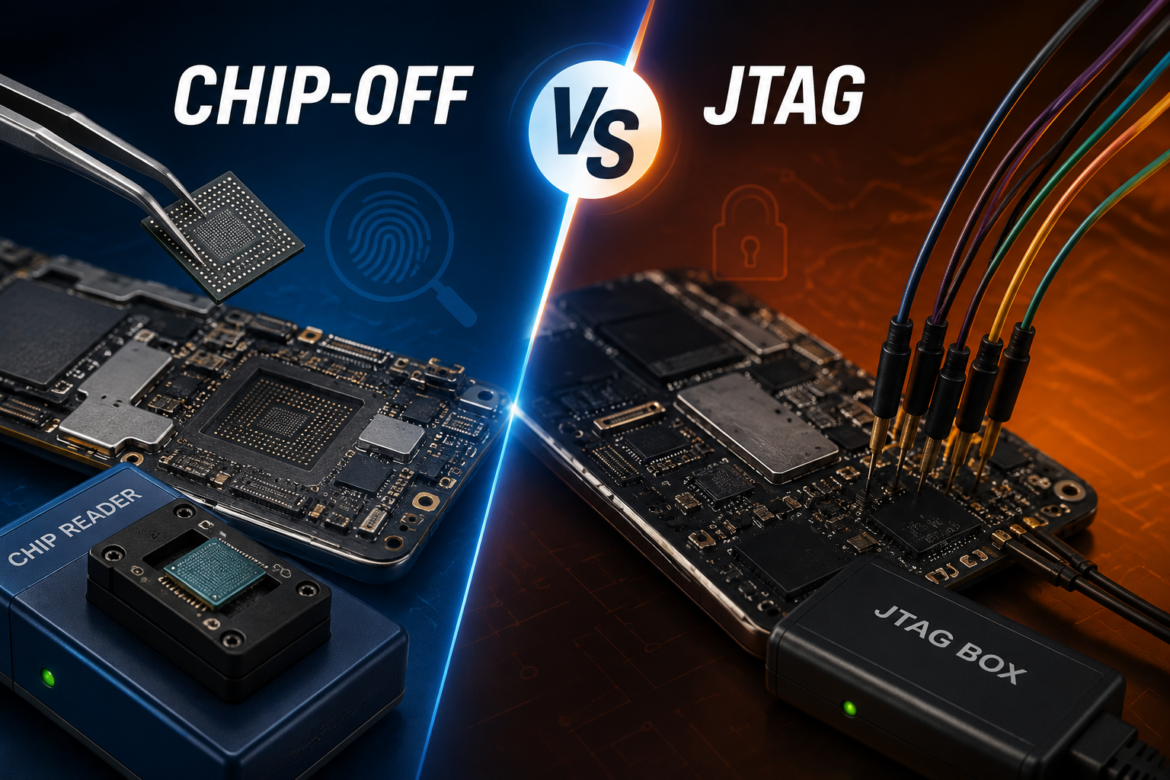
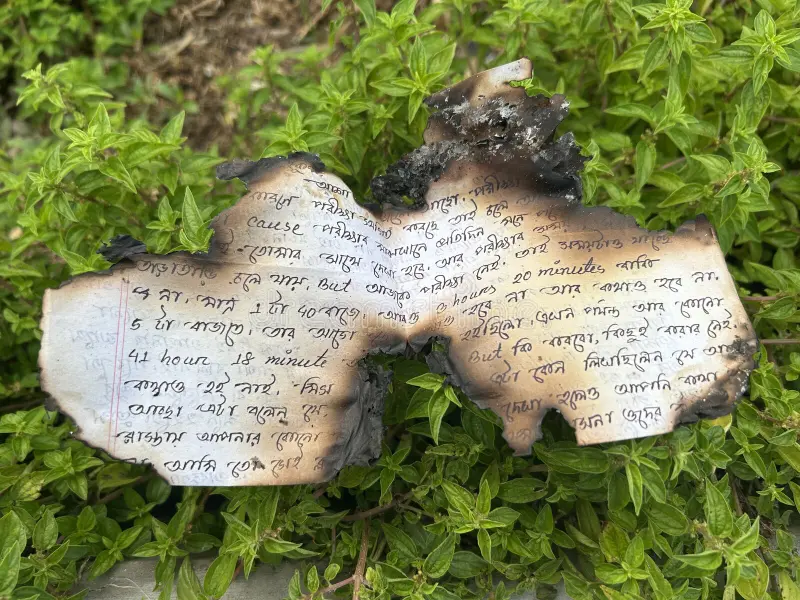
Damaged Phone Forensics is a specialized branch of digital forensics that focuses on recovering and analyzing digital evidence from physically damaged smartphones. Whether a phone has been damaged by water, fire, accidental drops, or hardware failure, forensic experts use advanced tools and scientifically accepted techniques to recover valuable data while ...

todayJuly 7, 2026

close

Blog vanshika

Superimposition Technique in Questioned Document Examination

Introduction  In forensic document examination, determining whether a signature, handwriting sample, or document has been forged requires scientific analysis rather than visual observation alone. One of the most effective comparison methods used by forensic experts is the Superimposition Technique. This technique helps examiners compare two writings or signatures by placing ...

todayJuly 7, 2026

close

Blog Mudita

Cloud Data in Mobile Investigations: Must Look Beyond the Device

Modern smartphones store far more than what is physically present on the device. Photos, messages, documents, contacts, location history, application data, and backups are increasingly synchronized with cloud services. As a result, cloud data in mobile investigations has become a critical source of digital evidence, helping investigators reconstruct events, recover ...

todayJuly 6, 2026

close

Blog vanshika

Types of UV Lights Used in Forensic Investigations

Introduction: Ultraviolet (UV) light has become an indispensable tool in modern forensic science. It enables investigators to detect and document evidence that may be invisible under normal lighting conditions. From locating biological stains to identifying altered documents and trace evidence, UV lights provide a fast, non-destructive, and highly effective method ...

todayJuly 6, 2026

close

Blog Mudita

SIM Swap Fraud: Investigation Techniques

As mobile phones become central to banking, digital payments, cryptocurrency, and online identity verification, SIM swap fraud has emerged as one of the fastest-growing cyber-enabled financial crimes. In many cases, attackers do not need to hack a victim’s device—they simply gain control of the victim’s mobile number. Once successful, they ...

todayJuly 4, 2026

close

Blog Mudita

Why Digital Evidence Gets Rejected in Court

Digital evidence has become one of the most critical forms of evidence in modern investigations. Mobile phones, computers, CCTV systems, cloud storage, emails, social media accounts, GPS data, and messaging applications frequently contain information that can establish timelines, identify suspects, and corroborate witness statements. However, simply obtaining digital evidence does ...