The dark web has become a significant arena for cybercrime, illegal marketplaces, data leaks, and anonymous communications. For digital forensic investigators, navigating this hidden layer of the internet requires specialized tools, technical expertise, and strict legal compliance.
Understanding the Dark Web
The dark web is a subset of the deep web that requires specialized software like Tor (The Onion Router) to access. Unlike the surface web indexed by search engines, dark web sites use encrypted networks and anonymized routing to conceal user identities and server locations.
Criminal activities commonly associated with the dark web include:
However, it’s important to note that not all dark web activity is illegal; journalists, whistleblowers, and privacy advocates also use it for legitimate purposes.
Key Tools Used in Dark Web Investigations
1. Tor Browser
The primary gateway to accessing .onion sites. Investigators often use hardened, isolated environments to safely browse and monitor suspicious marketplaces.
2. OSINT Tools
Open-source intelligence tools help investigators collect publicly available data linked to dark web identities. Examples include:
-
Maltego – Link analysis and data correlation
-
Recon-ng – Automated reconnaissance
-
SpiderFoot – Threat intelligence gathering
3. Cryptocurrency Tracking Platforms
Many dark web transactions rely on Bitcoin and other cryptocurrencies. Investigators use blockchain analysis tools to trace wallet addresses and transaction flows.
4. Network Traffic Analysis Tools
Tools like Wireshark assist in packet capture and traffic analysis when legally authorized.
5. Undercover Digital Identities
Law enforcement agencies may create controlled personas to infiltrate illicit marketplaces, gather intelligence, and identify operators.
Legal Challenges in Dark Web Investigations
1. Jurisdictional Issues
Dark web servers and users may be distributed globally, complicating jurisdiction and extradition. Mutual Legal Assistance Treaties (MLATs) are often required.
2. Privacy vs Surveillance
Investigations must balance national security interests with constitutional and human rights protections. Unauthorized surveillance may render evidence inadmissible.
3. Chain of Custody
Maintaining forensic integrity when collecting digital evidence from hidden services is critical. Improper handling can compromise admissibility in court.
4. Entrapment Concerns
Undercover operations must avoid inducing individuals to commit crimes they would not otherwise commit.
5. Encryption Barriers
End-to-end encryption and anonymization technologies make attribution challenging and time-consuming.
Best Practices for Investigators
-
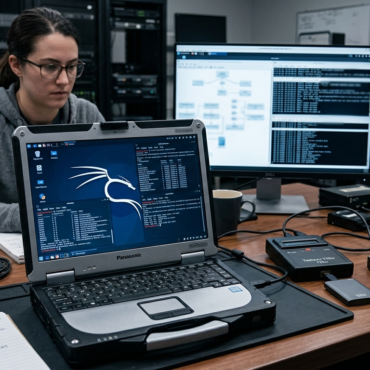
Use air-gapped or sandboxed systems for access
-
Document every investigative step
-
Follow local cybercrime and digital evidence laws
-
Coordinate with international agencies when required
-
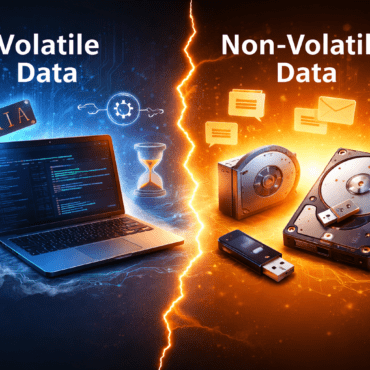
Preserve volatile data properly
Conclusion
Dark web investigations demand a combination of technical expertise, intelligence analysis, operational security, and legal awareness. While technology enables anonymity, it also leaves digital footprints that skilled investigators can trace.
For digital forensic professionals, staying updated with evolving tools, cryptocurrency tracing techniques, and legal precedents is essential to effectively combat cybercrime operating in the shadows.


Post comments (0)