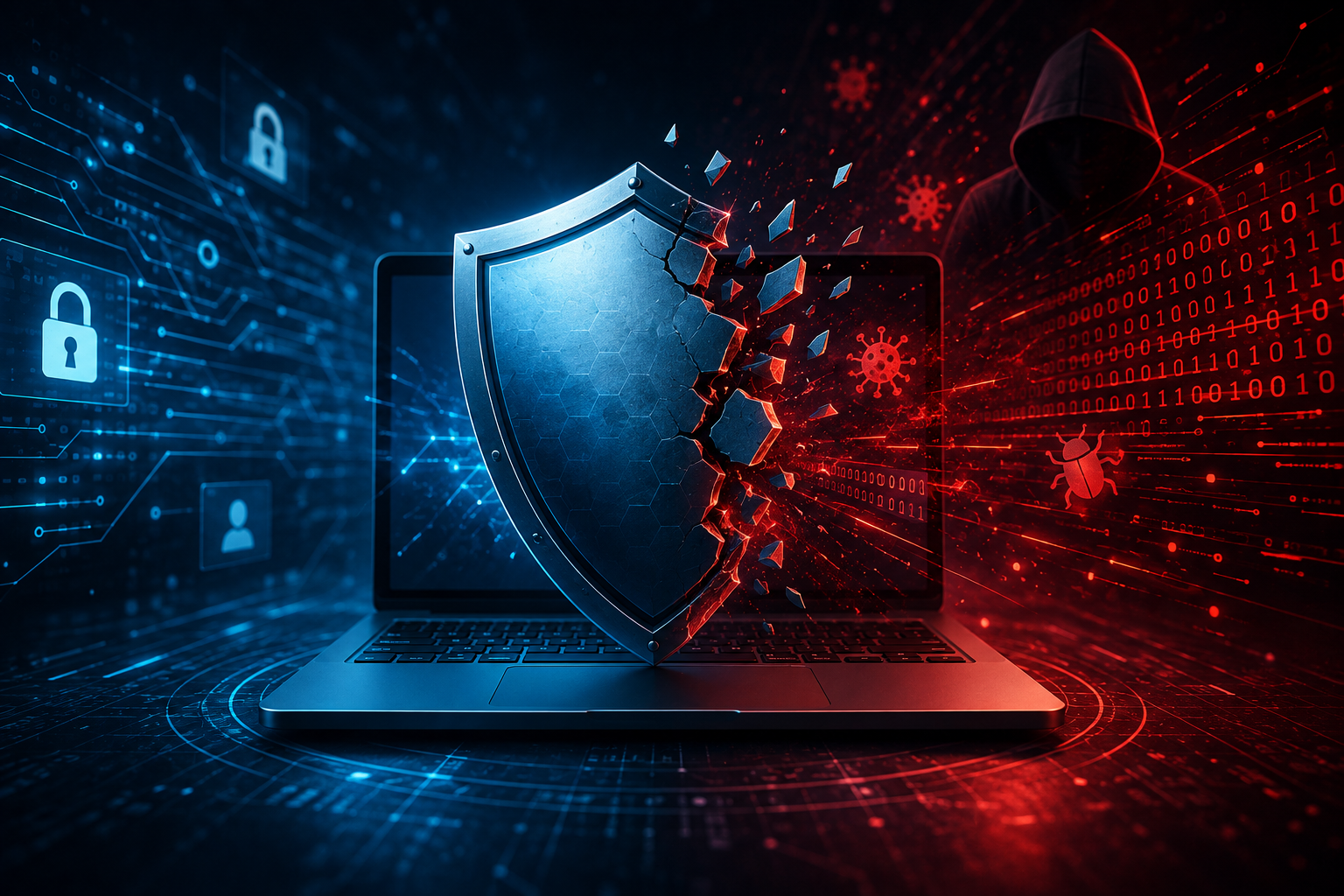
For years, installing an antivirus was considered the first and most important step in protecting a computer. While antivirus protection remains an essential layer of defense, the threat landscape has changed dramatically. Today’s cybercriminals use sophisticated techniques such as phishing, ransomware, fileless malware, and zero-day exploits that can bypass traditional antivirus software.
So, is antivirus enough to keep your devices safe? The short answer is no. Effective cybersecurity now requires multiple layers of protection rather than relying on a single security tool.
What Does Antivirus Actually Do?
Antivirus software is designed to detect, block, and remove malicious software from your device. It typically works by:
-
Scanning files for known malware signatures.
-
Monitoring suspicious behavior.
-
Blocking harmful downloads.
-
Quarantining infected files.
Modern antivirus solutions are much smarter than older versions, often using artificial intelligence and behavioral analysis. However, even advanced antivirus software has limitations.
Why Antivirus Alone Is No Longer Enough
1. Phishing Attacks Target People, Not Just Computers
One of the biggest cybersecurity threats today is phishing attacks. Instead of infecting your device directly, attackers trick you into revealing passwords, banking details, or verification codes.
For example, a fake email pretending to be from your bank can convince someone to click a malicious link. Antivirus may not stop a user from willingly entering credentials into a fraudulent website.
2. Fileless Malware Avoids Traditional Detection
Unlike conventional viruses, fileless malware operates directly in your computer’s memory without creating obvious files on the hard drive. Since many antivirus programs primarily scan files, these attacks can be much harder to detect.
This technique is increasingly used by advanced threat actors to avoid security software.
3. Zero-Day Exploits Strike Before Updates Exist
A zero-day exploit targets a software vulnerability before developers release a security patch. Because antivirus software may not yet recognize the attack, even updated antivirus programs can miss these threats.
Regular operating system and application updates become just as important as antivirus software.
4. Ransomware Uses Multiple Attack Methods
Modern ransomware attacks rarely rely on a single infected file. Attackers often gain access through stolen passwords, exposed remote desktop services, or phishing emails before encrypting data.
By the time antivirus detects suspicious activity, significant damage may already be done.
What a Layered Security Approach Looks Like
Instead of asking whether antivirus is enough, organizations now focus on layered cybersecurity.
Use Multi-Factor Authentication (MFA)
MFA adds an extra verification step beyond your password, making stolen credentials much less useful to attackers.
Keep Software Updated
Enable automatic updates for:
Many successful attacks exploit vulnerabilities that already have available patches.
Create Regular Backups
Offline or cloud backups help you recover from ransomware without paying criminals. The widely recommended 3-2-1 backup rule remains one of the strongest defenses against data loss.
Learn to Recognize Phishing
Technology alone cannot prevent every attack. Users should verify suspicious emails, avoid unexpected attachments, and carefully examine website URLs before entering sensitive information.
Use Endpoint Security Tools
Businesses increasingly rely on endpoint detection and response (EDR) solutions that continuously monitor devices for suspicious behavior instead of simply scanning files.
Antivirus Is Still Important
Despite its limitations, antivirus remains a critical part of any security strategy.
A quality antivirus solution can still:
-
-
Detect potentially unwanted programs.
-
Prevent many common infections.
-
Reduce everyday cyber risks.
The mistake is assuming that antivirus alone provides complete protection.
Best Cybersecurity Practices for Individuals
If you want stronger protection, combine antivirus with these habits:
-
Use a reputable antivirus solution.
-
Enable Multi-Factor Authentication wherever possible.
-
Keep software updated automatically.
-
Use strong, unique passwords with a password manager.
-
Avoid clicking suspicious links or attachments.
-
Back up important files regularly.
-
Monitor accounts for unusual activity.
These cybersecurity best practices significantly reduce the chances of becoming a victim of cybercrime.
How Hawk Eye Forensic Helps Strengthen Cybersecurity
Preventing cyber threats requires more than antivirus software—it also requires the ability to investigate incidents, recover digital evidence, and build cyber awareness. Hawk Eye Forensic supports individuals, organizations, and institutions by providing practical digital forensic expertise and cybersecurity training.
Our team helps through:
-
Digital Forensic Investigations for cyber incidents involving malware, ransomware, and compromised devices.
-
Mobile and Computer Forensics for secure evidence collection and analysis.
-
Cybersecurity Awareness & Professional Training through hands-on programs for students, professionals, and organizations.
-
Incident Response Support to help preserve digital evidence and assist investigations after a cyberattack.
By combining forensic expertise with practical cybersecurity education, Hawk Eye Forensic helps organizations move beyond basic antivirus protection and build stronger, more resilient digital defenses.





Post comments (0)