Introduction
In the domain of digital forensics, encryption plays a dual role—it is both a safeguard for data and a significant challenge during investigations. While encryption protects sensitive information from unauthorized access, it can also act as a barrier for forensic experts attempting to retrieve and analyze digital evidence. Understanding encryption from a forensic perspective is essential in modern investigations involving cybercrime, corporate fraud, and criminal activities.
Understanding Encryption in Digital Forensics
Encryption transforms readable data into ciphertext, ensuring confidentiality and security. From a forensic standpoint, this means that even if investigators successfully acquire a device or storage medium, the presence of encryption may prevent immediate access to critical evidence. Therefore, forensic analysis must incorporate specialized techniques to identify, preserve, and potentially decrypt such data.
Importance of Encryption in Forensic Context
1. Preservation of Evidence Integrity
Encryption helps maintain the integrity of digital evidence. Properly encrypted data ensures that the information has not been altered or tampered with, which is crucial for maintaining evidentiary value in legal proceedings.
2. Protection Against Unauthorized Access
During evidence handling and storage, encryption prevents unauthorized access to sensitive case-related data. This is particularly important when dealing with confidential information such as personal records, financial data, or classified documents.
3. Challenges in Evidence Acquisition
Encryption can significantly hinder forensic acquisition. Devices protected with full-disk encryption, secure boot mechanisms, or encrypted applications may require advanced techniques such as live data acquisition, memory analysis, or key extraction.
4. Role in Anti-Forensics
Encryption is often used as an anti-forensic technique by suspects to conceal evidence. Encrypted volumes, hidden partitions, and password-protected files are commonly encountered obstacles during investigations.
5. Legal and Ethical Considerations
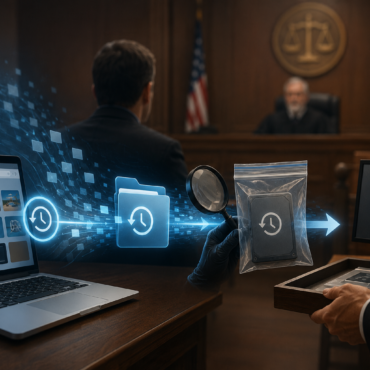
Forensic experts must operate within legal frameworks when dealing with encrypted data. Unauthorized decryption attempts or bypassing security mechanisms without proper authorization may violate laws and compromise the admissibility of evidence.
Types of Encryption Encountered in Forensics
- Full Disk Encryption (FDE): Protects entire storage devices such as laptops and smartphones.
- File-Level Encryption: Encrypts specific files or folders.
- End-to-End Encryption (E2EE): Used in messaging applications, limiting access even to service providers.
Forensic Techniques for Handling Encrypted Data
- Live Acquisition: Capturing data from a running system where encryption keys may reside in memory.
- Memory (RAM) Analysis: Extracting encryption keys or decrypted data fragments.
- Brute Force and Dictionary Attacks: Attempting to recover passwords (within legal limits).
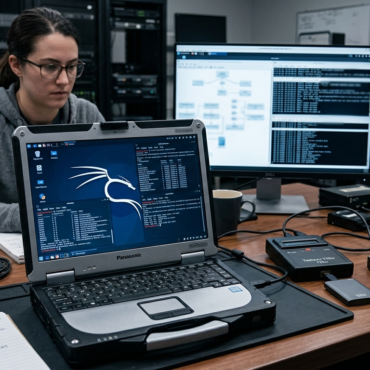
- Use of Forensic Tools: Advanced tools can sometimes bypass or work around encryption depending on device and configuration.
- Cloud and Backup Analysis: Investigating alternative data sources where decrypted data may be stored.
Impact on Investigations
Encryption can delay or even prevent access to crucial evidence, affecting timelines and outcomes of investigations. However, it also ensures that once accessed, the data is reliable and has not been tampered with. Forensic experts must balance technical expertise with legal compliance to effectively handle encrypted evidence.
Future Challenges in Forensic Encryption
The rise of stronger encryption standards and privacy-focused technologies presents ongoing challenges. Technologies such as zero-knowledge systems and quantum-resistant encryption may further limit forensic access, requiring continuous advancement in forensic methodologies.
Conclusion
From a forensic perspective, encryption is both a protector and an obstacle. While it enhances data security and integrity, it also complicates evidence acquisition and analysis. As digital crimes become more sophisticated, forensic investigators must evolve their tools and techniques to address the growing prevalence of encryption, ensuring that justice is served without compromising legal and ethical standards.




Post comments (0)