Digital Forensics

141 Results / Page 5 of 16

Background

todayFebruary 19, 2026

close

Digital Forensics Faliha Khan

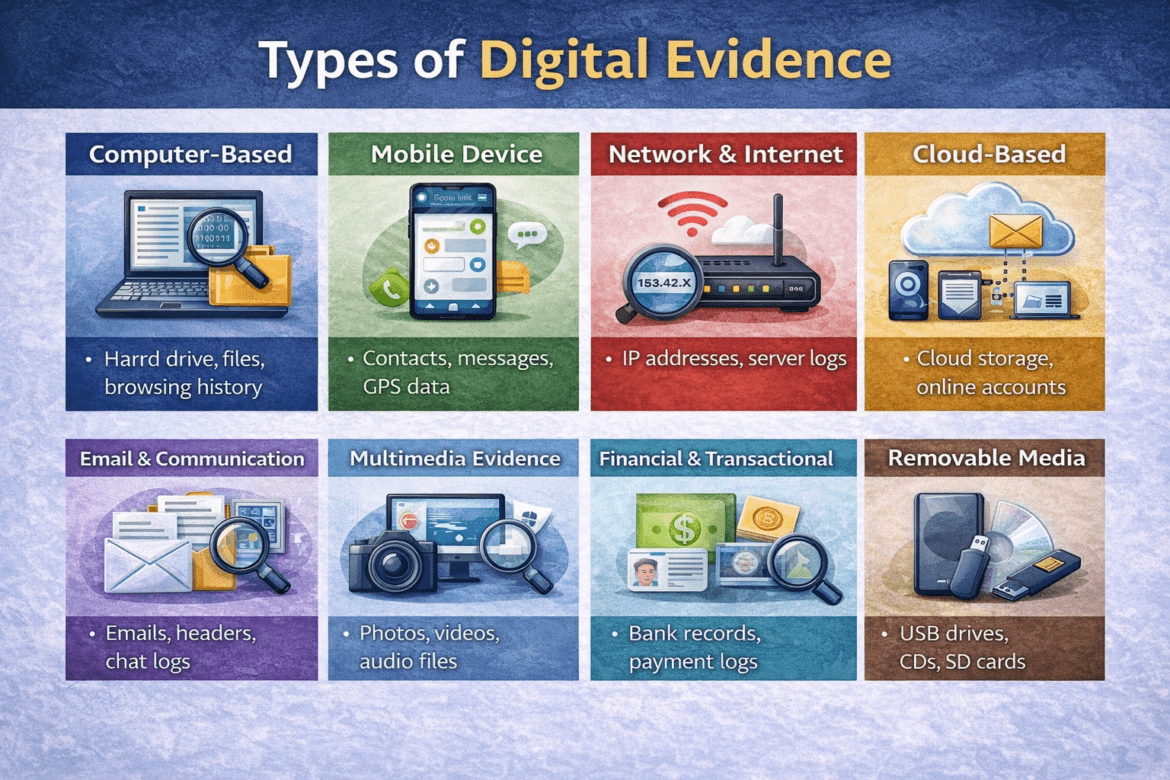
Types of Digital Evidence Every Forensic Student Must Know

Types of Digital Evidence Every Forensic Student Must Know In the modern digital age, crimes rarely occur without leaving electronic traces. Therefore, digital evidence has become a crucial part of forensic investigations. From mobile phones to cloud storage, digital devices store valuable information that can help investigators reconstruct events. For ...

todayFebruary 17, 2026

close

Blog + Mobile Forensic + Computer Forensics + Digital Forensics Neerav Jindal

BFU vs AFU Analysis in Digital Forensics: Why Device State Matters

Introduction In modern digital investigations, device state can determine the outcome of a case. When investigators seize a smartphone or computer, its condition—powered on, powered off, locked, or unlocked—directly affects the data they can access. Therefore, understanding BFU (Before First Unlock) and AFU (After First Unlock) analysis is essential. These ...

todayFebruary 16, 2026

  • 1
close

Computer Forensics + Digital Forensics + Cyber Forensic Neerav Jindal

Email Header Analysis in Cybercrime Investigations

Introduction: Why Email Headers Matter in Cybercrime Email remains one of the most common tools used in cybercrime. Criminals use phishing, spoofing, business email compromise (BEC), and malware attachments to deceive victims. While the email body may appear convincing, the real evidence often lies hidden in the email header. Email ...

todayFebruary 13, 2026

close

Blog + Computer Forensics + Digital Forensics Neerav Jindal

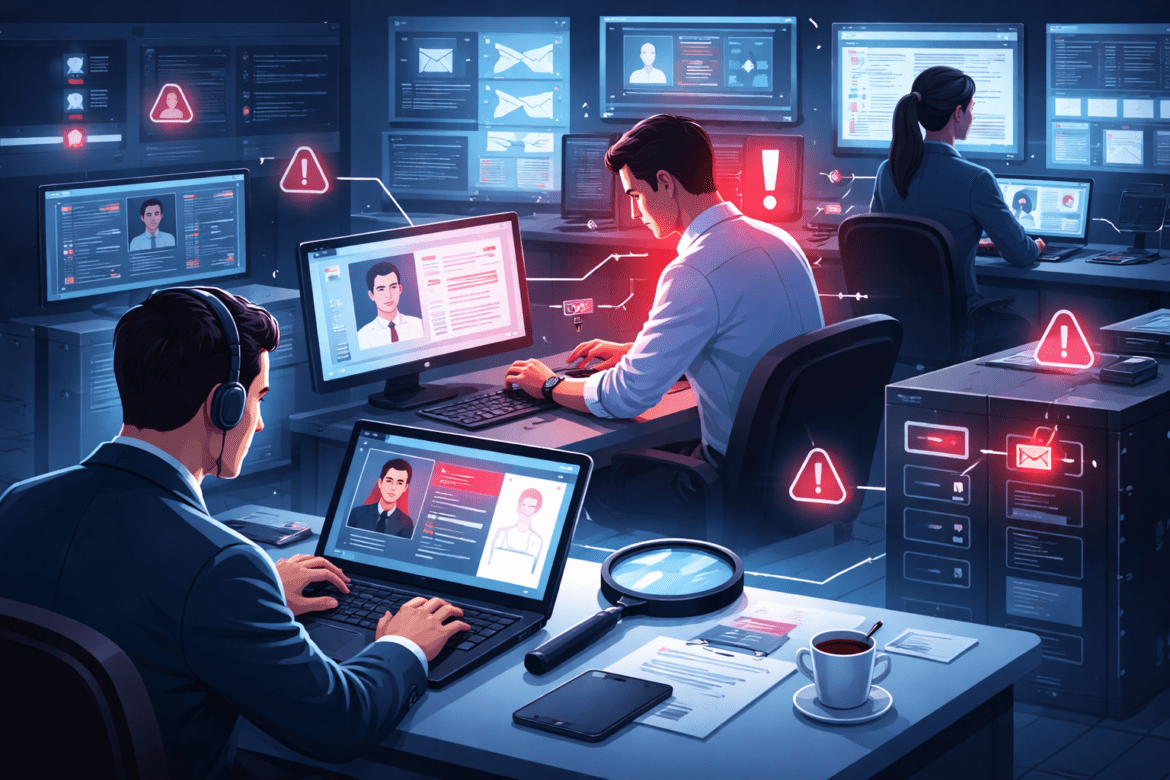
Insider Threat Investigations: Digital Trails Within Organizations

Understanding Insider Threats in the Digital Age When organizations think about cybersecurity threats, they often focus on external hackers and cybercriminal groups. However, some of the most damaging security incidents originate from within the organization itself. Insider threats involve employees, contractors, vendors, or business partners who misuse their authorized access ...

todayFebruary 13, 2026

close

Digital Forensics Faliha Khan

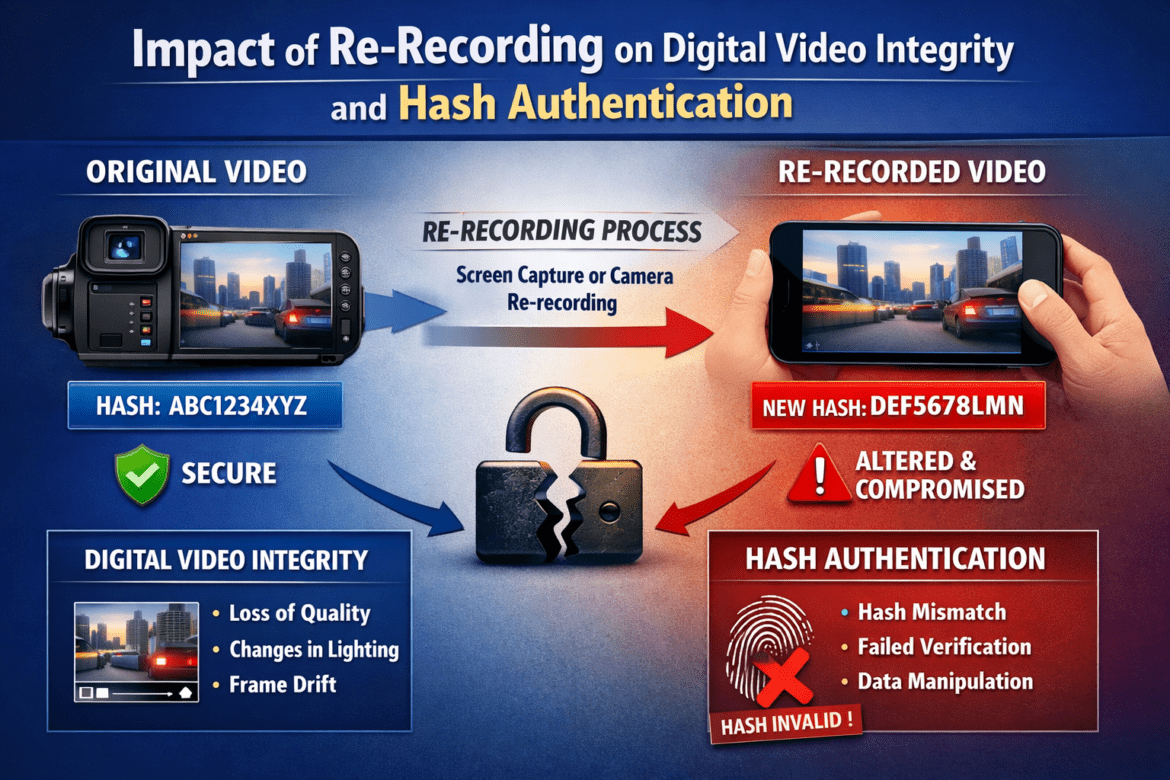
Impact of Re-Recording on Digital Video Integrity and Hash Authentication

Introduction Re-recording and digital video integrity are critical concerns in forensic investigations. Digital video evidence—such as CCTV footage, body-worn cameras, and mobile recordings—plays a vital role in reconstructing events. However, when videos are re-recorded instead of properly extracted, their integrity can be compromised. Therefore, understanding how re-recording affects authenticity and ...

todayFebruary 12, 2026

close

Digital Forensics Faliha Khan

Email Header Analysis in Cybercrime Investigations

Email Header Analysis in Cybercrime Investigations In today’s digital world, email remains one of the most common tools used in cybercrime. Criminals use emails for phishing, fraud, identity theft, malware delivery, and social engineering attacks. While the email body may look convincing, the real truth often hides behind the scenes—in ...

todayFebruary 10, 2026

close

Blog + Digital Forensics Neerav Jindal

Can Deleted WhatsApp Messages Be Recovered? Myth vs Reality

Introduction: The Ubiquity of WhatsApp in Digital Communication Instant messaging applications have become a primary mode of communication in both personal and professional contexts. Among them, WhatsApp stands out due to its widespread adoption and end-to-end encryption. As a result, WhatsApp data is frequently encountered in legal disputes, corporate investigations, ...

todayFebruary 6, 2026

close

Digital Forensics Faliha Khan

One Mistake That Can Destroy Digital Evidence Forever

Introduction A single error can permanently damage the integrity of digital evidence in forensic investigations. Digital evidence plays a crucial role in both criminal and civil cases, helping investigators reconstruct events and establish facts. However, unlike physical evidence, digital data is extremely fragile. Improper handling—even unintentionally—can destroy its forensic value forever. ...