Mudita

62 Results / Page 2 of 7

Background

todayOctober 1, 2026

close

Blog Mudita

10 Things You Should Never Do With a Fingerprint Evidence

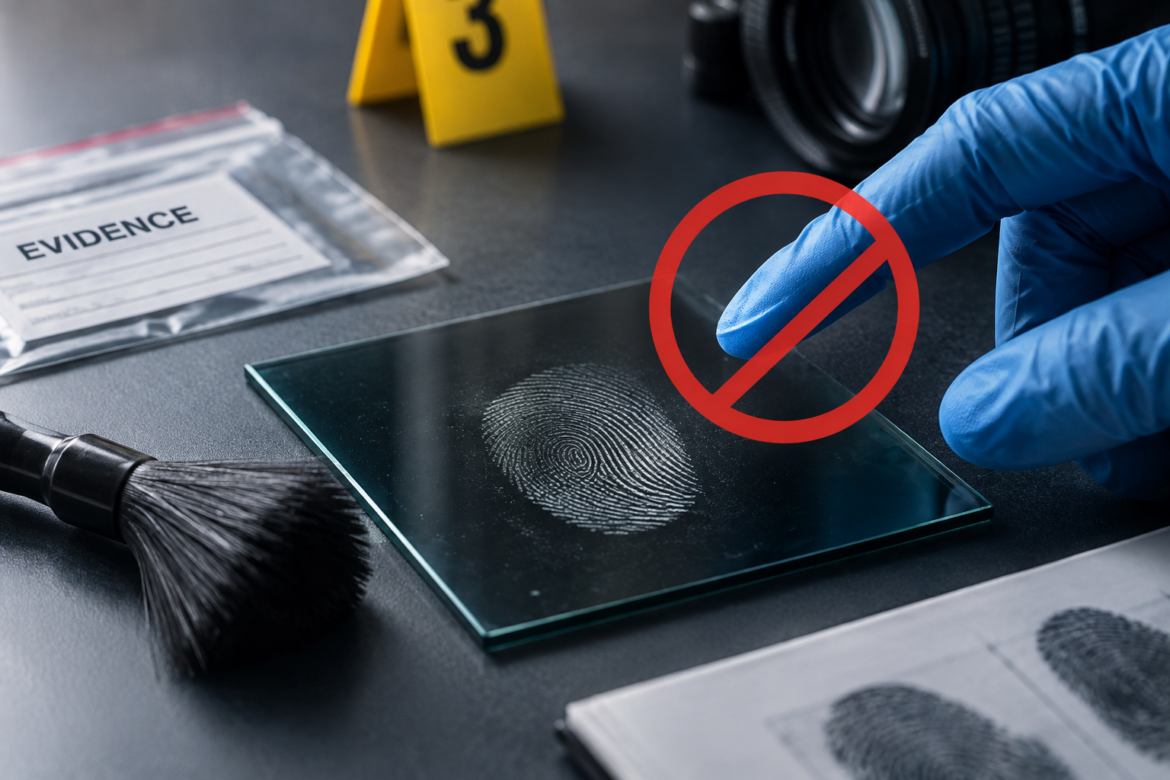
Fingerprints can provide valuable evidence during a forensic investigation. A single latent fingerprint recovered from a surface may help investigators associate a person with an object or location. However, fingerprint evidence can easily be damaged, contaminated, or lost if it is not handled correctly. Whether the evidence is collected from ...
todaySeptember 25, 2026

close

Blog Mudita

3 Things We Never Do During Digital Evidence Acquisition

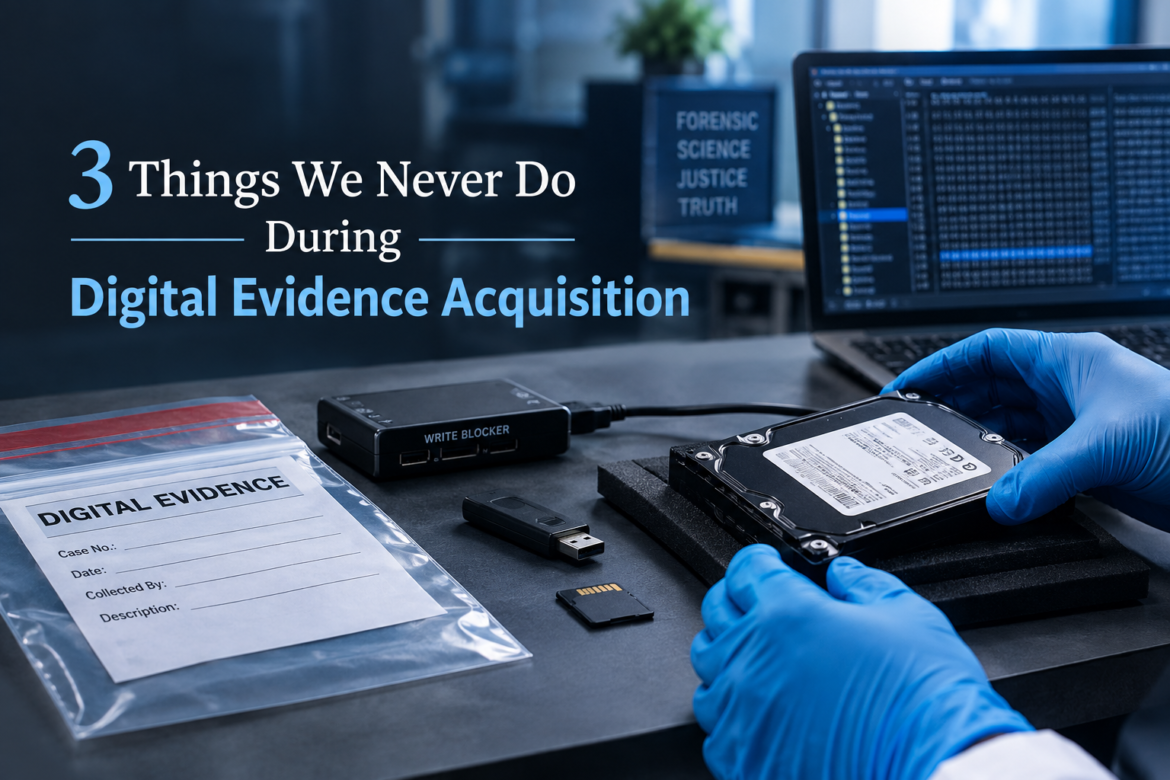
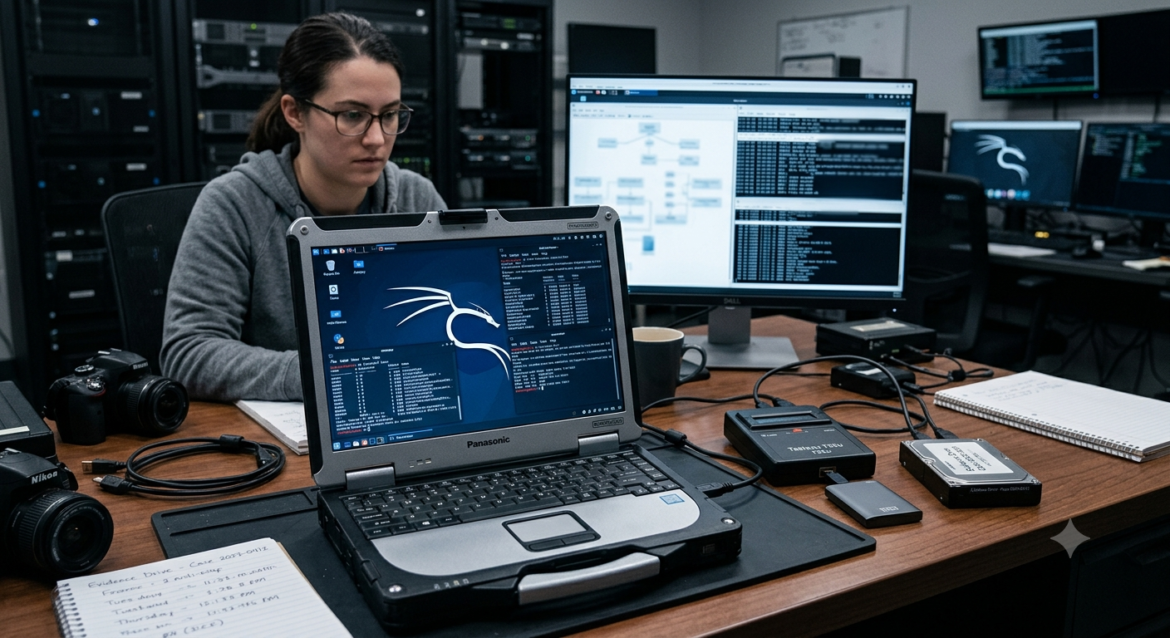
3 Things We Never Do During Digital Evidence Acquisition Digital devices such as smartphones, computers, hard drives, USB drives, and memory cards can contain valuable evidence. However, collecting this evidence requires careful handling. A small mistake during digital evidence acquisition can alter data, destroy important information, or affect the integrity ...

todaySeptember 23, 2026

close

Blog Mudita

10 Things You Should Never Do With a Suspected Forged Document

A document may appear ordinary, but a small alteration in a signature, date, amount, stamp, or written text can sometimes have significant legal and financial consequences. When you suspect that a document has been forged or altered, it is important to preserve it carefully and avoid actions that could damage ...

todaySeptember 16, 2026

close

Blog Mudita

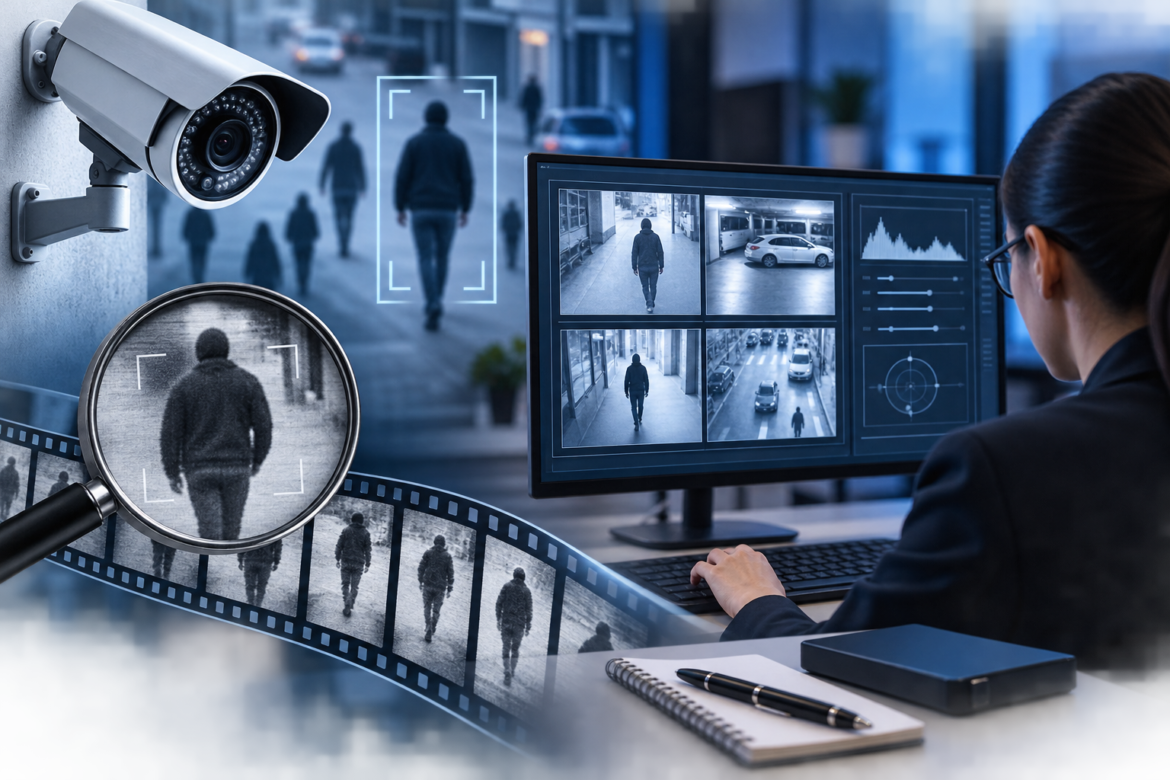
CCTV Forensics: How Video Evidence Is Examined in Digital Investigations

CCTV cameras have become an important source of digital evidence in criminal investigations, civil disputes, workplace incidents, road accidents, theft cases, and many other investigations. However, obtaining a CCTV recording is only the beginning. Investigators must determine whether the footage is authentic, relevant, complete, and suitable for forensic examination. This ...

todaySeptember 11, 2026

close

Blog Mudita

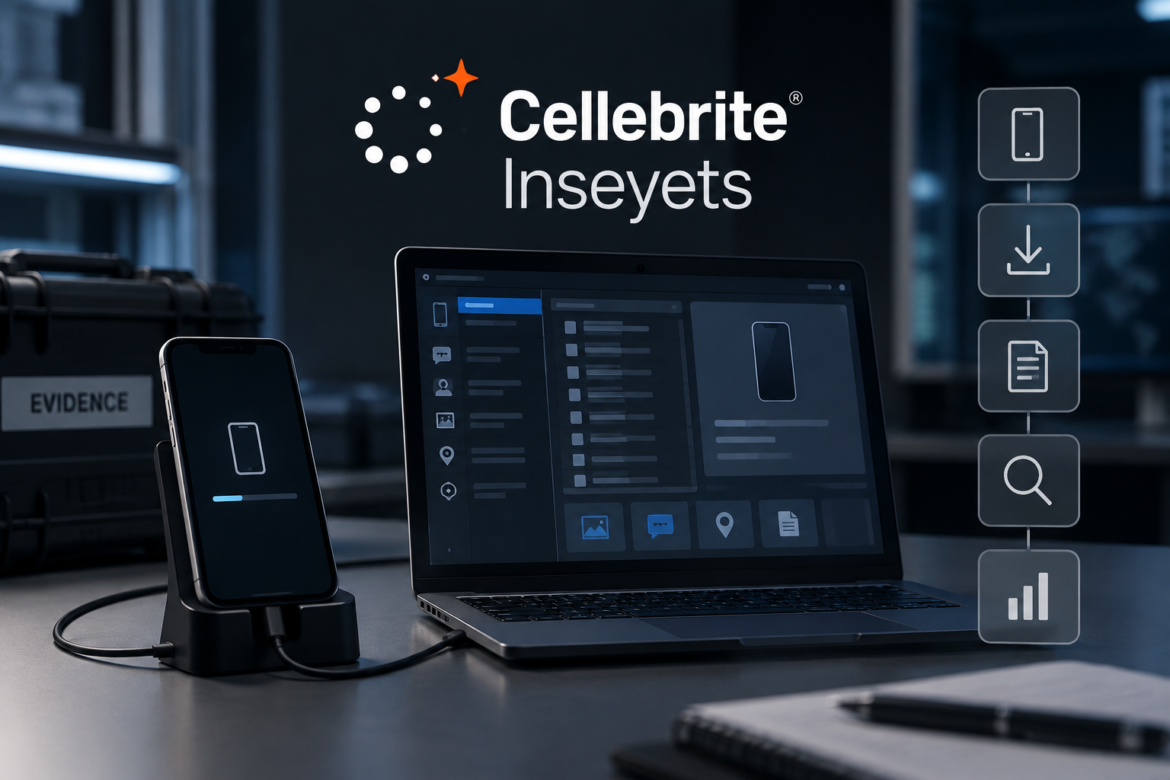
Cellebrite Inseyets: A Powerful Platform for Modern Digital Forensics

Digital evidence is becoming increasingly complex. Modern smartphones, computers, cloud services, encrypted applications, and connected devices can contain enormous volumes of information relevant to criminal, civil, corporate, and internal investigations. For digital forensic professionals, the challenge is no longer limited to acquiring data—it also involves processing, examining, correlating, and interpreting ...

todaySeptember 9, 2026

close

Blog Mudita

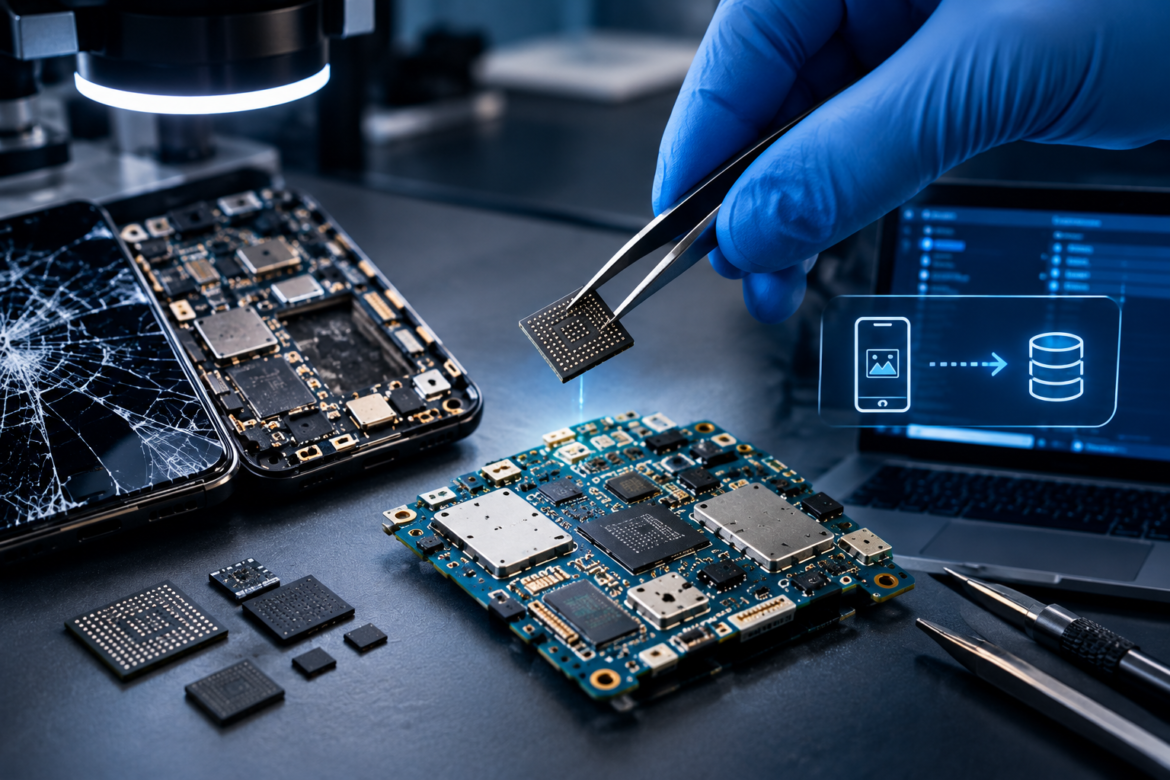
Donor Board Extraction Process in Digital Forensics: A Complete Guide

donor-board-extraction-processWhen a smartphone is severely damaged and conventional forensic extraction methods are no longer possible, investigators may need to use advanced hardware-level techniques. One such technique is the donor board extraction process, also known as forensic board transplantation or donor motherboard data extraction. This technique is particularly useful when the ...

todaySeptember 8, 2026

close

Blog Mudita

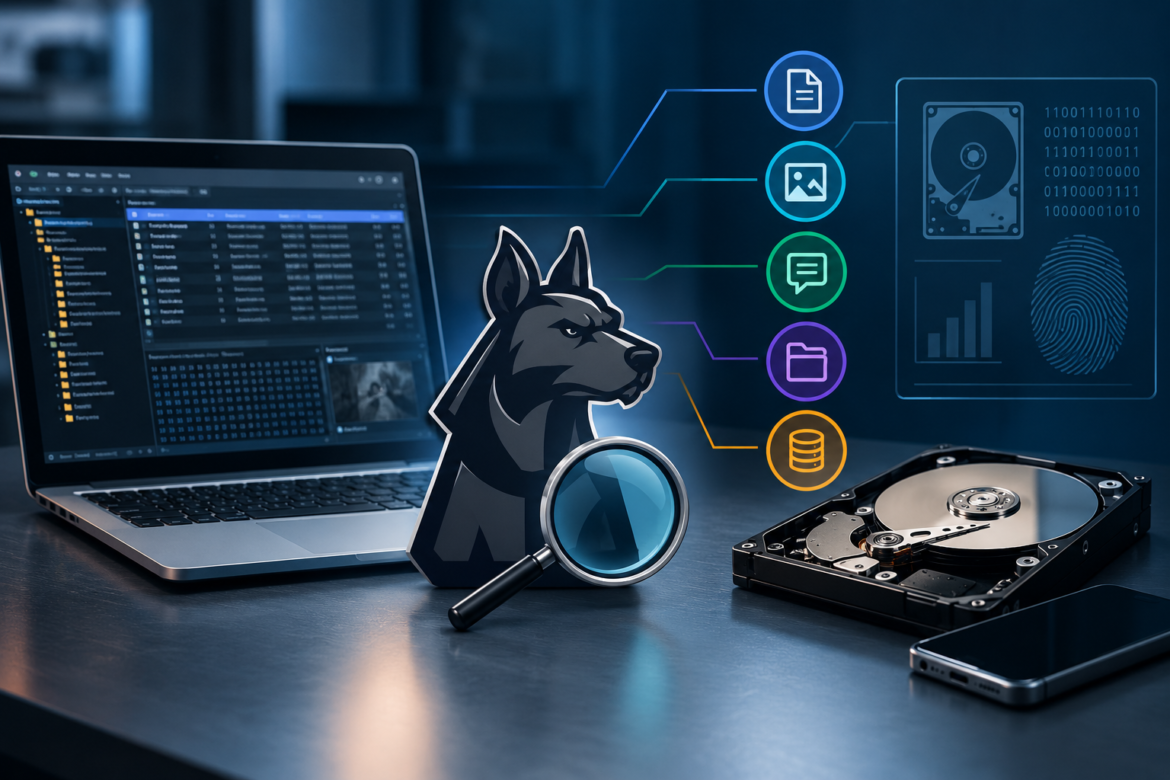
What Does Autopsy Tool Do? A Guide to Digital Forensic Investigation

In the field of digital forensics, investigators often need to examine large amounts of data stored on computers, hard drives, USB drives, and other storage devices. Manually reviewing this data can be extremely time-consuming. This is where Autopsy, one of the most widely used open-source digital forensic platforms, becomes useful. ...

todaySeptember 7, 2026

close

Blog Mudita

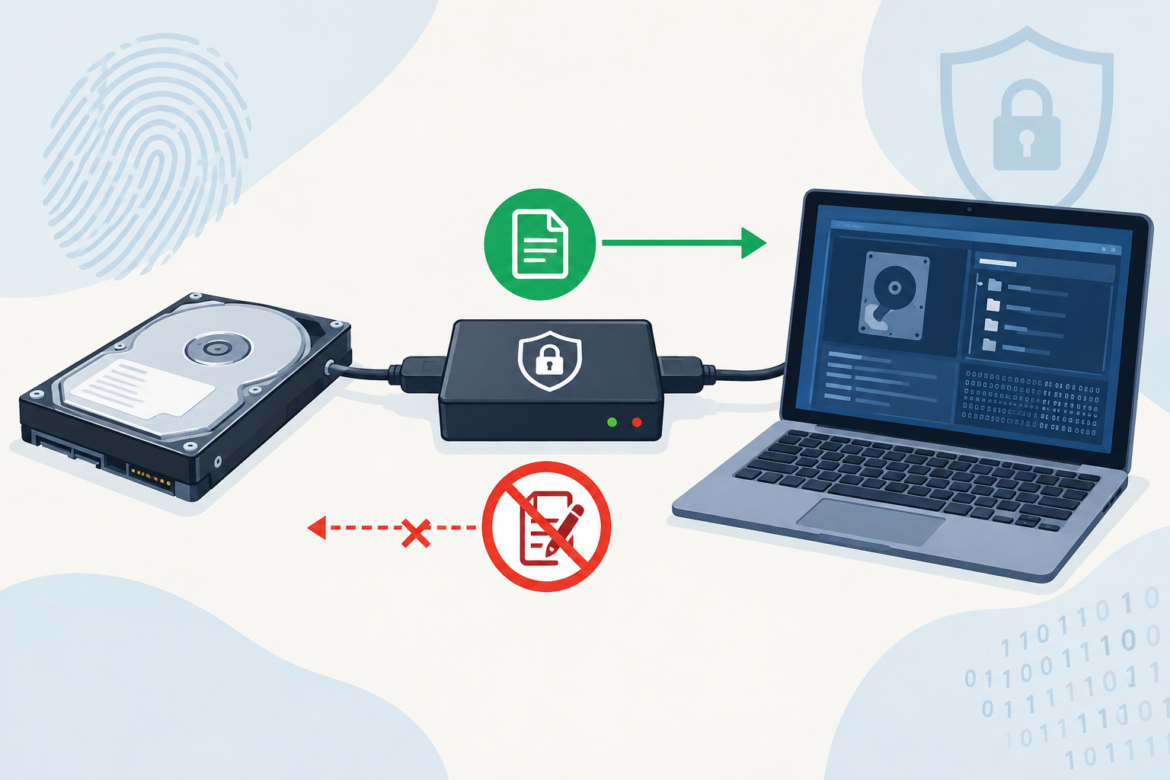
what is write blocking

What Is Write Blocking? A Complete Guide to Write Blockers in Digital Forensics In digital forensics, preserving the original evidence is one of the most important responsibilities of a forensic investigator. When investigators examine a hard drive, USB drive, memory card, or other storage device, even a small change to ...