As mobile phones become central to banking, digital payments, cryptocurrency, and online identity verification, SIM swap fraud has emerged as one of the fastest-growing cyber-enabled financial crimes. In many cases, attackers do not need to hack a victim’s device—they simply gain control of the victim’s mobile number. Once successful, they can intercept One-Time Passwords (OTPs), reset passwords, and gain unauthorized access to bank accounts, email accounts, social media profiles, and cryptocurrency wallets.
For digital forensic investigators and law enforcement agencies, SIM swap fraud investigations require a combination of mobile forensics, telecom analysis, financial investigation, and digital evidence preservation. Understanding how these attacks occur is essential for identifying suspects and presenting legally admissible evidence.
Understanding the mobile forensic investigation process is essential for identifying evidence left behind during these attacks. Learn more in our guide on Mobile Forensics: Process, Tools, and Challenges.
Internal Link: https://yourwebsite.com/mobile-forensics-process-tools-and-challenges/
What is SIM Swap Fraud?
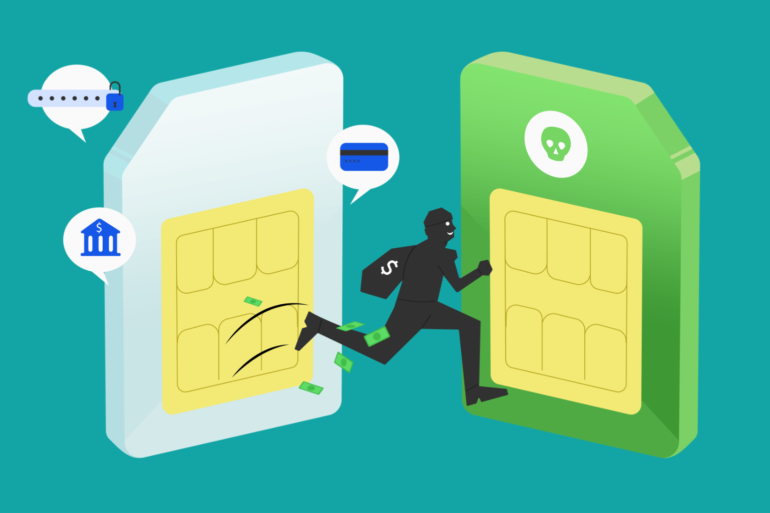
SIM swap fraud, also known as SIM hijacking or SIM cloning fraud, is a cybercrime in which a fraudster convinces or manipulates a mobile network operator into transferring a victim’s phone number to a new SIM card under the attacker’s control.
Once the new SIM is activated, the victim’s original SIM loses network connectivity, while the attacker begins receiving calls, SMS messages, and OTPs intended for the victim.
This enables the attacker to bypass SMS-based two-factor authentication and gain access to sensitive online accounts.
Readers can learn more about cyber fraud reporting through the National Cyber Crime Reporting Portal.
Outbound Link: https://cybercrime.gov.in
Common Stages of a SIM Swap Attack
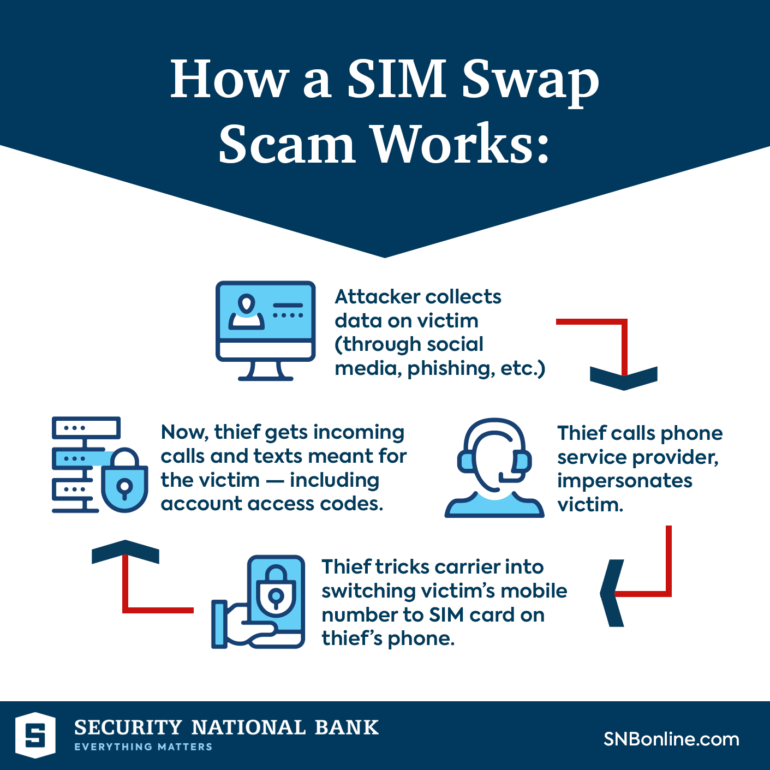
A typical SIM swap fraud follows these stages:
- Collection of victim information through phishing, social engineering, malware, or data breaches.
- Submission of a fake SIM replacement request to the telecom operator.
- Activation of the new SIM card linked to the victim’s mobile number.
- Interception of OTPs and verification codes.
- Unauthorized access to banking, email, cryptocurrency, or social media accounts.
- Financial theft, identity theft, or account takeover.
Understanding this sequence helps investigators reconstruct the timeline of the offence.
Digital Evidence to Collect
The success of a SIM swap investigation depends on timely collection and preservation of digital evidence. Important evidence includes:
- Mobile phones belonging to the victim
- Original SIM card
- Suspect devices (if available)
- Call Detail Records (CDRs)
- Subscriber information from the telecom service provider
- SIM replacement request records
- Cell tower location records
- Bank transaction logs
- UPI transaction history
- Internet banking login records
- Email login history
- SMS records
- IP address logs
- Device identifiers such as IMEI numbers
- CCTV footage from telecom stores or ATMs
- Customer support call recordings
Proper documentation and chain of custody should be maintained throughout the investigation.
Maintaining a secure Chain of Custody ensures that digital evidence remains authentic and admissible in court.
Internal Link: https://yourwebsite.com/chain-of-custody-in-digital-forensics/
Investigation Techniques
1. Mobile Device Examination
Investigators should perform a forensic acquisition of the victim’s mobile device using industry-standard forensic tools whenever legally authorized.
The examination may reveal:
- Banking applications
- SMS messages
- Authentication apps
- Browser history
- Account recovery emails
- Malware or remote access applications
- Deleted communication artifacts
2. Telecom Records Analysis
Telecommunication service providers maintain valuable records that can establish whether a SIM replacement occurred.
Investigators should request:
- Date and time of SIM activation
- SIM serial number (ICCID)
- IMSI information
- Subscriber verification documents
- Customer service interaction logs
- Location where the replacement request originated
These records often establish the exact point when control of the mobile number changed.
3. Financial Transaction Analysis
Financial records help correlate fraudulent activity with the SIM swap event.
Important evidence includes:
- UPI transactions
- Net banking activity
- Credit card transactions
- Wallet transfers
- Cryptocurrency transactions
- Beneficiary account details
Creating a chronological timeline often reveals how quickly attackers exploited access after the SIM was activated.
4. IP Address and Device Correlation
Many online services log:
- Login timestamps
- IP addresses
- Browser fingerprints
- Device identifiers
- Geographic locations
Correlating these logs can demonstrate that unauthorized access originated from a device different from the victim’s.
5. Email and Cloud Account Examination
Email accounts often become the attacker’s first target because they enable password resets for multiple services.
Investigators should examine:
- Security alerts
- Password reset emails
- Login notifications
- Recovery email changes
- Account recovery requests
These records help establish the attack timeline.
6. CCTV and Physical Evidence
If a SIM replacement was obtained from a retail outlet, CCTV footage may identify the individual who submitted the request.
Supporting evidence may include:
- Identity documents used during registration
- Biometric verification records (where applicable)
- Retail transaction receipts
- Store employee statements
Combining physical evidence with digital evidence strengthens the investigation.
Challenges in SIM Swap Fraud Investigations
Investigators frequently encounter several challenges:
- Rapid transfer of stolen funds
- Cross-border cybercriminal operations
- Use of forged identity documents
- Delayed reporting by victims
- Encrypted communication platforms
- Limited log retention periods
- Multiple digital payment channels
Prompt evidence preservation requests are therefore critical.
Regulatory information regarding telecom services and subscriber protection is available on the Telecom Regulatory Authority of India (TRAI) website.
Outbound Link: https://www.trai.gov.in
Best Practices for Investigators
To improve the chances of successful prosecution:
- Secure the victim’s devices immediately.
- Preserve volatile digital evidence without delay.
- Obtain telecom records through proper legal procedures.
- Document every step of evidence handling.
- Correlate telecom, banking, and device evidence.
- Maintain the integrity of digital evidence using cryptographic hash values.
- Prepare a clear forensic timeline for court presentation.


Post comments (0)