Introduction
Drones have rapidly evolved from simple recreational devices into powerful tools used in photography, agriculture, surveillance, military operations, logistics, and law enforcement. However, as drone technology grows more advanced, cybercriminals are also finding new ways to exploit its vulnerabilities. One of the most serious emerging threats is skyjacking—the unauthorised takeover of drones through hacking, signal interference, or software exploitation.
Skyjacking combines cybercrime with real-world security risks. Unlike traditional hacking, which mainly targets data or computer networks, drone hijacking gives attackers physical control over flying devices that can be used for surveillance, smuggling, espionage, or even harmful attacks. This rising threat has also created new challenges for forensic investigators. Modern drone investigations now go beyond hardware analysis and flight data recovery, involving wireless communication analysis, firmware examination, and advanced cyber forensic techniques.
What is Skyjacking?
Skyjacking is the illegal takeover of a drone by exploiting weaknesses in its communication systems, GPS signals, mobile apps, or onboard software. In simple terms, attackers gain unauthorized control of the drone without the owner even realizing it.
Once a drone is compromised, it can be manipulated to:
- Change its flight path
- Disable safety features
- Crash deliberately
- Transmit live footage to attackers
- Transport illegal materials
- Avoid tracking or monitoring systems
In more serious situations, hijacked drones may even be used as weapons or in coordinated cyber-physical attacks.
Unlike ordinary drone theft, skyjacking usually leaves behind digital traces such as altered flight logs, communication records, or firmware changes. These clues make forensic investigation an essential part of identifying how the attack happened and who was responsible.
How Drone Hijacking Happens
Drone hijacking can occur through multiple technical methods. Criminals often combine several techniques to gain complete control over UAV systems.
GPS Spoofing:
Most drones rely heavily on GPS for navigation and stabilisation. In GPS spoofing attacks, fake satellite signals are transmitted to deceive the drone about its real location.
As a result, the drone may:
- Fly toward attacker-controlled areas
- Lose navigation accuracy
- Fail to return to the operator
- Land at unintended locations
GPS spoofing is especially dangerous because it can be executed remotely without physically accessing the drone.
Radio Frequency Interception:
Drones communicate with controllers through radio frequency (RF) signals. Attackers can intercept or manipulate these signals using specialized equipment.
Common RF attacks include:
- Signal jamming
- Command injection
- Controller cloning
- Packet interception
If successful, attackers may override legitimate commands and gain direct operational control.
Firmware Exploitation:
Drone firmware acts as the operating system of the UAV. Hackers may exploit vulnerabilities in firmware to install malicious code or hidden backdoors.
Modified firmware can:
- Disable geofencing
- Bypass altitude restrictions
- Hide flight activity
- Allow remote access
- Prevent evidence logging
Firmware manipulation is difficult to detect without advanced forensic examination.
Mobile Application Attacks:
Many modern drones are operated through smartphone applications using Wi-Fi or Bluetooth connections. While this makes drone control more convenient, weak security settings or outdated apps can create easy opportunities for attackers to gain unauthorized access.
Cybercriminals may be able to:
- Access live camera feeds
- Steal user login credentials
- Modify drone settings
- Send unauthorized commands to the drone
As a result, the risk extends beyond the drone itself. In many investigations, the connected mobile device also becomes an important source of forensic evidence, helping investigators trace communication records, app activity, login attempts, and possible signs of cyber intrusion.
Why Skyjacking is Dangerous
Skyjacking is more than a technical issue; it is a serious public safety and national security concern.
Threat to Critical Infrastructure:
Hijacked drones can target sensitive locations such as:
- Airports
- Power stations
- Military bases
- Government buildings
- Communication networks
Even a small drone can disrupt critical operations or cause panic in restricted zones.
Criminal and Smuggling Activities:
Criminal organizations increasingly use drones for :
- Drug transportation
- Contraband delivery
- Illegal surveillance
- Prison smuggling
A hijacked drone can easily be used for illegal missions without the original owner’s knowledge.
Risks in Warfare and Espionage:
Modern military operations depend heavily on UAV systems. Enemy groups may attempt to hijack drones to:
- Capture intelligence
- Monitor troop movements
- Reverse engineer technology
- Interfere with surveillance missions
Drone cyber warfare is becoming a major component of modern defence strategy.
Role of Drone Forensics
As skyjacking incidents increase, drone forensics is becoming an essential field within digital investigations.
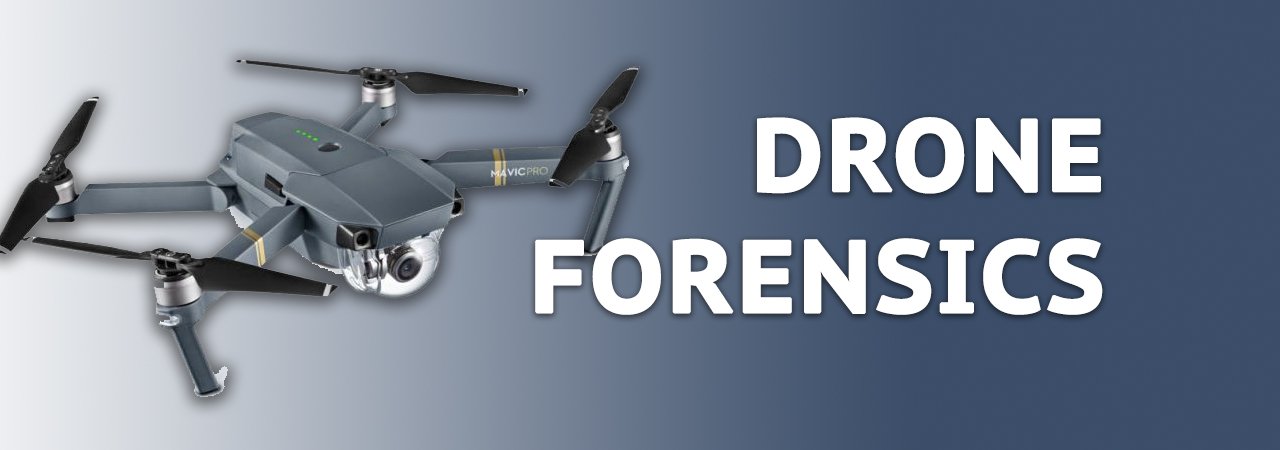
Drone forensics involves the scientific examination of drones, controllers, communication systems, and associated digital evidence to determine what occurred during an incident.
Key Areas of Drone Forensic Investigation:
Flight Log Analysis:
Most drones automatically store flight data such as GPS location, speed, altitude, battery status, system warnings, and flight duration. Investigators study these logs to reconstruct the drone’s activity and detect suspicious behavior.
Flight logs can reveal:
- Sudden route changes
- Unauthorized commands
- Signal loss or interference
- Forced landings or crashes
RF Signal Examination:
Radio Frequency (RF) analysis helps investigators understand how the drone communicated during flight. It can detect:
- Signal jamming
- Communication spoofing
- Interference attempts
- Unusual transmission activity
RF analysis is especially important in skyjacking cases involving wireless attacks.
Firmware Analysis:
Experts examine the drone’s firmware to check for:
- Malware infections
- Unauthorized modifications
- Hidden scripts
- Security bypass techniques
By comparing firmware data with original versions, investigators can determine whether the system was tampered with.
Controller and Mobile Device Analysis:
Important evidence may also be found in remote controllers, smartphones, tablets, and drone management apps. Investigators can recover:
- Login details
- Flight history
- Device pairing records
- Cloud synchronisation data
These digital traces help identify the drone owner, track activity, and uncover possible cyberattacks.
Anti-Forensic Techniques
Sophisticated attackers may attempt to destroy or conceal evidence using anti-forensic methods such as:
- Log deletion
- Encrypted communication
- Data wiping
- Temporary malware
- Self-destruct scripts
Some advanced drones may even automatically overwrite logs after a hijacking event.
This makes timely evidence preservation extremely important during investigations.
Strengthening Drone Security
To prevent skyjacking, manufacturers and governments are developing advanced security measures, including:
- Encrypted communication systems
- Secure Remote ID technology
- Multi-factor authentication
- Anti-spoofing GPS modules
- AI-based threat detection
Security awareness among drone operators is equally important. Regular firmware updates, strong authentication, and secure network usage can significantly reduce hijacking risks.
Conclusion:
Skyjacking is becoming one of the most serious threats in modern drone technology. As UAV systems become more advanced and connected, they also become more vulnerable to cyberattacks and unauthorised control.
Investigating drone hijacking now requires more than basic flight log analysis. Forensic experts must combine digital forensics, RF signal analysis, firmware examination, and cybersecurity techniques to understand how the attack occurred.
Drone forensics is rapidly evolving into a specialised field focused on uncovering complex cyber-physical attacks. In the future, investigators may spend just as much time analyzing wireless signals and autonomous drone behavior as they do examining traditional digital evidence.
Understanding skyjacking today is important for preparing against the next generation of drone-related crimes and security threats.


Post comments (0)