
DigitalForensics

28 Results / Page 1 of 4

Background

todayMay 19, 2026

close

Blog vanshika

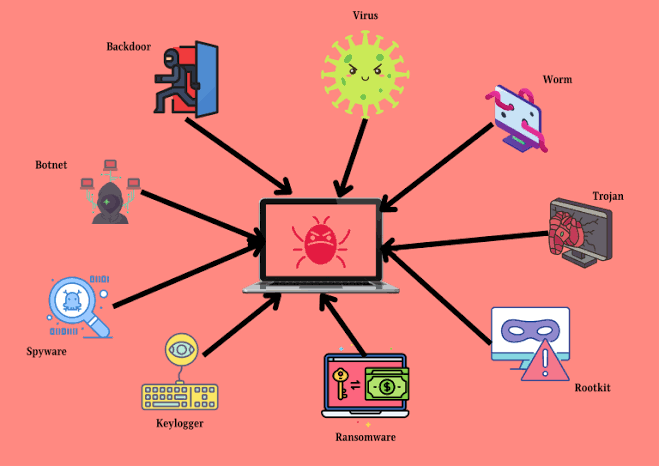
Skyjacking: The Future of Drone Crime

Introduction Drones have rapidly evolved from simple recreational devices into powerful tools used in photography, agriculture, surveillance, military operations, logistics, and law enforcement. However, as drone technology grows more advanced, cybercriminals are also finding new ways to exploit its vulnerabilities. One of the most serious emerging threats is skyjacking—the unauthorised ...

todayNovember 19, 2025

close

DataRecovery Ayushi Agrawal

Residual Data Recovery in Digital Forensics

In today’s digital-first world, the volume of data produced, stored, and deleted every second is unprecedented. From mobile phones and laptops to cloud storage and external hard drives, digital devices have become witnesses to almost every activity in our personal, professional, and criminal spheres. While most users assume that deleting ...

todayOctober 27, 2025

close

Digital Forensics Ayushi Agrawal

Why Certification Matters in Digital Forensics

Introduction In today’s rapidly evolving digital landscape, crimes committed using technology are on the rise. From cyber fraud and hacking to data breaches and identity theft, the demand for professionals who can investigate, analyze, and interpret digital evidence has never been higher. This is where digital forensics steps in, bridging the ...

todayOctober 17, 2025

close

Blog Ayushi Agrawal

Protecting Digital Evidence from Tampering and Corruption

Introduction In today’s digital era, almost every crime leaves behind a digital trail — be it in the form of emails, mobile data, CCTV footage, or online activity logs. Forensic investigators rely on this digital evidence to reconstruct events, identify suspects, and establish facts in court. However, digital evidence is ...

todayOctober 15, 2025

close

Digital Forensics Ayushi Agrawal

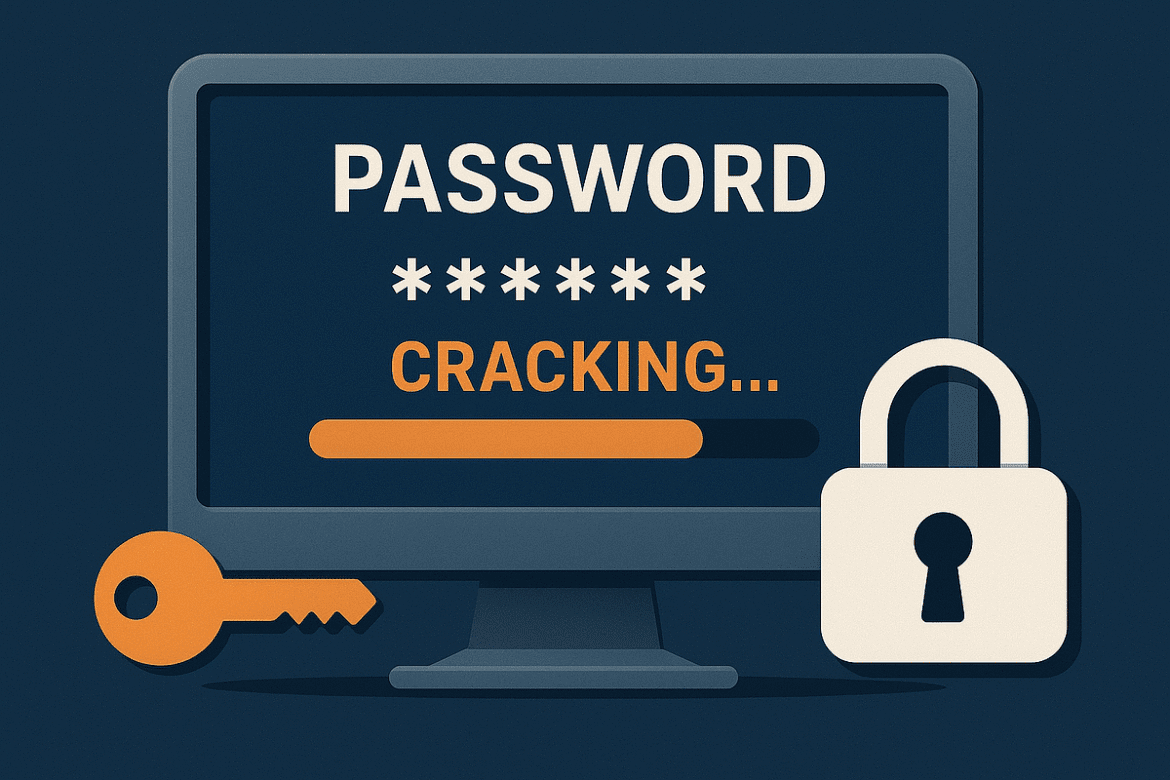
Password Recovery and Cracking in Digital Investigations

In digital forensic investigations, accessing password-protected data can be the key to uncovering hidden evidence. Passwords safeguard personal, corporate, and criminal data alike — from encrypted drives to social media accounts. However, when investigators encounter encrypted systems or password-protected files during lawful examinations, password recovery and cracking techniques become essential ...

todayOctober 14, 2025

close

Digital Forensics Ayushi Agrawal

App-Based Forensics: Tracing WhatsApp, Telegram, and Signal Evidence

Introduction Messaging apps like WhatsApp, Telegram, and Signal dominate personal and professional communication. These apps also serve as platforms for criminal activity, requiring forensic investigation. App-based forensics focuses on extracting evidence from applications while preserving data integrity and ensuring legal compliance. Encryption, cloud backups, and ephemeral messaging features make tracing ...

todayOctober 7, 2025

  • 1
close

Fingerprint Examination Ayushi Agrawal

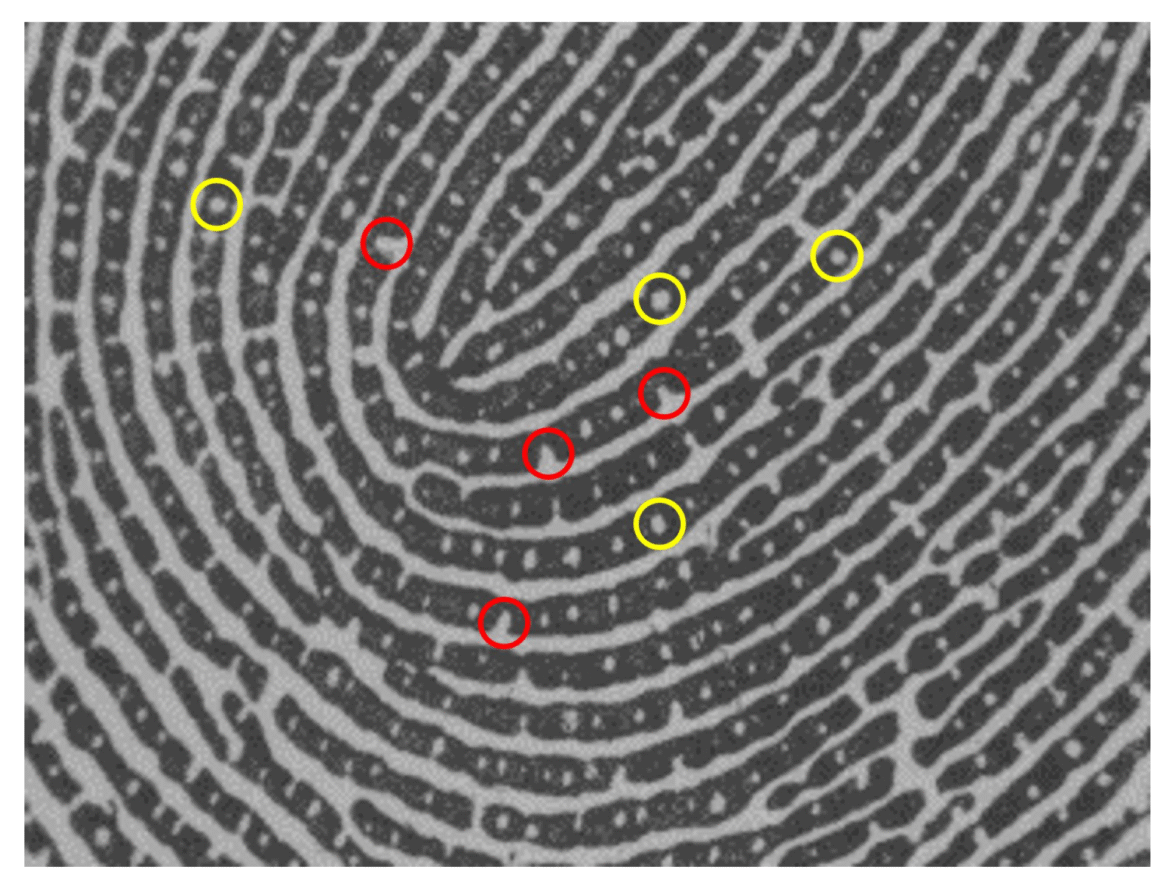
Poroscopy in the Identification of Fingerprints

Introduction In the realm of forensic science, fingerprint analysis has long been regarded as one of the most reliable methods of personal identification. The uniqueness and permanence of fingerprint patterns form the backbone of this technique, making it invaluable in criminal investigations, civil disputes, and personal authentication systems. While ridge ...

todayOctober 6, 2025

close

Blog Ayushi Agrawal

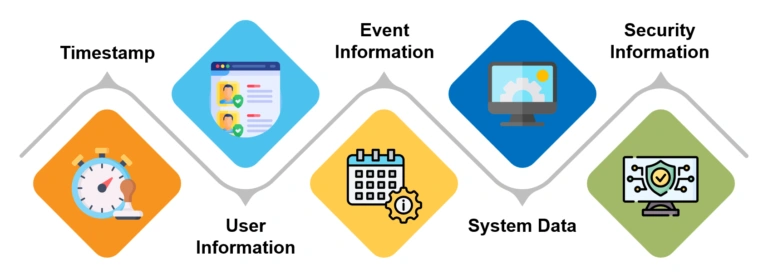
Log File Analysis in Cyber Forensics

Introduction In today’s interconnected digital world, cyberattacks and security breaches have become a constant threat to individuals, businesses, and governments. Every activity that happens within a computer system or network—whether legitimate or malicious—leaves behind traces. These traces are often stored in log files, which act as a digital diary of ...

todayJuly 25, 2025

close

Blog Omprakash Singh

Different Types Of Smartphone Locks Explained

Different Types Of Smartphone Security Explained Password lock It is one of the most secure methods of smartphone protection. It requires the user to enter a custom alphanumeric password (letters, numbers, symbols) to access the device. Best for: Professionals and users storing sensitive data on their phones who prioritize maximum ...