Challenges in Android and iOS Forensic Examination
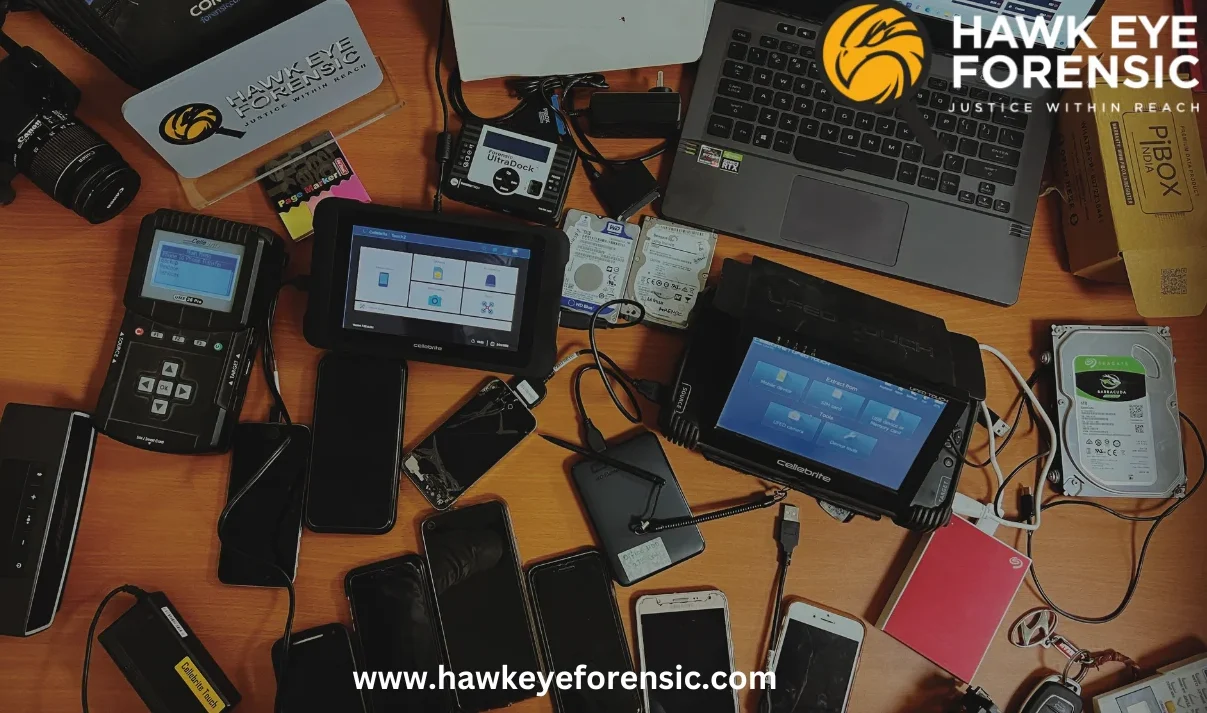
Mobile devices have become one of the most critical sources of digital evidence in modern investigations. Smartphones store vast amounts of personal, financial, communication, and location data, making them invaluable in criminal, civil, and cybercrime cases. However, forensic examination of mobile devices—particularly Android and iOS platforms—presents numerous technical, legal, and procedural challenges. Despite advances in forensic tools, investigators continue to face significant obstacles while extracting, analyzing, and presenting mobile evidence in court.
This blog discusses the major challenges involved in Android and iOS forensic examination and their impact on digital investigations.
1. Device Encryption and Security Mechanisms
One of the biggest challenges in mobile forensics is strong encryption. Both Android and iOS devices use full-disk or file-based encryption to protect user data.
Apple’s iOS ecosystem is particularly restrictive, with hardware-backed encryption, Secure Enclave technology, and strict access controls. Without the device passcode, forensic access often becomes extremely limited.
Although Android devices may allow more flexibility, modern Android versions also use advanced encryption and secure boot mechanisms. As a result, investigators frequently encounter situations where data extraction becomes impossible without user cooperation or specialized tools.
2. Frequent Operating System Updates
Both Android and iOS platforms receive frequent operating system updates. While these updates improve security for users, they pose serious challenges for forensic examiners.
Each new OS version can:
-
Break existing forensic extraction methods
-
Disable previously supported exploits
-
Change file system structures
-
Introduce new data storage locations
Consequently, forensic tools often lag behind the latest updates, forcing investigators to work with partial data or unsupported devices.
3. Device Fragmentation in Android Forensics
Android forensic examination suffers significantly from device fragmentation. Unlike iOS, which runs on a limited number of Apple devices, Android operates across thousands of manufacturers and models.
Different devices use:
This diversity makes it difficult to develop universal forensic solutions. A method that works on one Android device may completely fail on another, even with the same OS version.
4. Limited Access Without Rooting or Jailbreaking
Forensic examination often requires deep access to the file system. However, Android devices usually require rooting, and iOS devices require jailbreaking to obtain full data access.
These processes introduce several challenges:
-
Risk of data alteration
-
Legal admissibility concerns
-
Voiding of device integrity
-
Potential evidence contamination
Courts may question the reliability of evidence if rooting or jailbreaking alters system data. Therefore, investigators must balance extraction depth with evidentiary integrity.
5. Cloud-Based Data Storage
Modern smartphones rely heavily on cloud services such as iCloud, Google Drive, WhatsApp backups, and social media servers. As a result, significant evidence may not reside on the physical device at all.
Cloud forensics introduces challenges such as:
-
Jurisdictional and legal permissions
-
Authentication and account access
-
Data synchronization inconsistencies
-
Privacy and compliance issues
Even when investigators access cloud data, linking it conclusively to a specific device or user remains complex.
6. Deleted and Ephemeral Data
Users frequently delete messages, call logs, and media files. Additionally, many applications now use ephemeral messaging, where data disappears automatically after a set time.
Examples include:
-
WhatsApp disappearing messages
-
Signal self-destructing chats
-
Temporary social media content
Recovering such data depends on storage behavior, overwrite cycles, and backup availability. In many cases, forensic recovery becomes technically impossible, limiting evidentiary value.
7. App-Specific Encryption and Proprietary Formats
Third-party applications present another major challenge. Many popular apps encrypt their databases or use proprietary data formats.
Examples include:
-
End-to-end encrypted messaging apps
-
Secure banking applications
-
Custom social media data structures
Forensic tools may fail to decode such data without application-specific support. Moreover, frequent app updates further complicate analysis.
8. Legal and Privacy Constraints
Digital forensic examiners must operate within strict legal boundaries. Accessing mobile data without proper authorization can violate privacy laws and render evidence inadmissible.
Challenges include:
-
Scope limitations in search warrants
-
Consent-related issues
-
Data minimization requirements
-
Cross-border data access laws
Both Android and iOS examinations must strictly adhere to legal procedures to maintain evidentiary validity.
9. Anti-Forensic Techniques
Suspects increasingly use anti-forensic measures to evade digital investigations. These include:
-
Secure deletion tools
-
Encrypted containers
-
Factory resets
-
Multiple user profiles
Some users also employ third-party privacy tools designed to obscure or destroy digital traces, further complicating forensic examination.
10. Courtroom Admissibility and Interpretation
Even when investigators successfully extract mobile data, presenting it in court poses additional challenges. Courts expect:
-
Proper chain of custody
-
Transparent methodology
-
Tool validation
-
Clear expert explanation
Poor documentation or lack of forensic justification can weaken the evidentiary value of mobile data, regardless of its relevance.
Conclusion
Android and iOS forensic examination plays a crucial role in modern digital investigations. However, strong encryption, rapid OS updates, device fragmentation, cloud dependence, and legal constraints continue to challenge forensic professionals.
Therefore, investigators must stay updated with evolving technologies, use validated forensic tools, and follow strict procedural standards. When combined with proper legal authorization and expert interpretation, mobile forensic examination remains a powerful—but complex—tool in the pursuit of digital justice.


Post comments (0)