Introduction
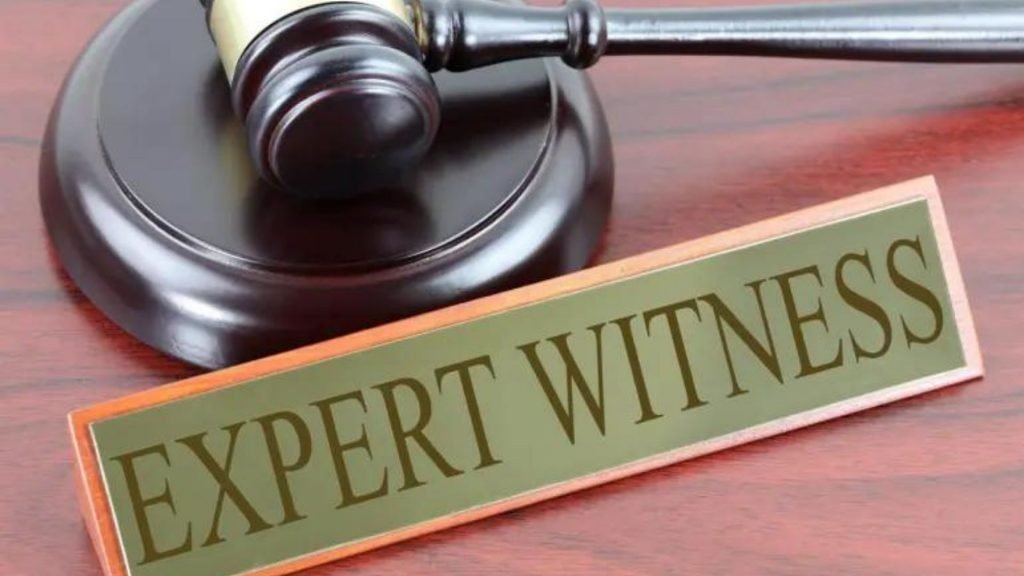
Expert witnesses play a crucial role in the legal system, especially in forensic science. Unlike ordinary witnesses, they do not just describe events—they provide professional opinions based on specialized knowledge, training, and experience.
Therefore, understanding the role and responsibilities of expert witnesses helps courts interpret complex scientific and technical evidence. As a result, judges and juries can make fair and informed decisions.
Who Is an Expert Witness?
An expert witness is a person with specialised knowledge in a particular field, such as forensic science, medicine, engineering, or digital forensics.
Unlike ordinary witnesses, expert witnesses are legally allowed to give opinions in court. Because of this, their testimony becomes highly valuable in legal proceedings.
Expert Witness vs Ordinary Witness
There is a clear difference between the two:
- Ordinary Witness: Describes facts (what they saw or heard)
- Expert Witness: Analyzes evidence and provides professional opinions
This distinction highlights the importance of expert testimony in complex cases.
Key Roles of Expert Witnesses in Court
1. Explaining Complex Evidence
One of the main duties of an expert witness is to simplify technical information.
For example, they may explain the following:
- DNA analysis
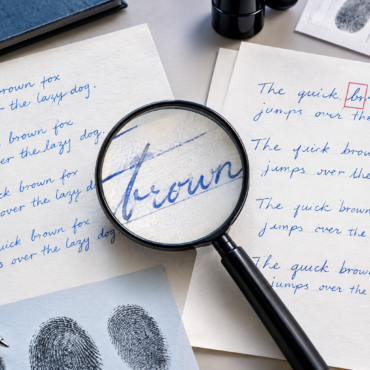
- Fingerprint comparison
- Toxicology findings
This helps the court understand evidence clearly.
2. Interpreting Scientific Data
Raw data alone can be confusing. Expert witnesses:
- Analyze findings
- Interpret results
- Explain their significance
This ensures that evidence is meaningful and relevant in court.
3. Providing Independent Opinions
Expert witnesses must remain neutral.
- No bias toward either party
- Opinions based only on facts and science
Independence is essential for credibility.
4. Preparing Detailed Reports
They must create clear and structured reports, including:
- Methods used
- Observations
- Conclusions
Proper documentation strengthens legal reliability.
5. Giving Testimony in Court
During trials, expert witnesses must:
- Speak clearly
- Stay confident under cross-examination
- Avoid technical jargon
Clear communication improves understanding.
Ethical Duties of Expert Witnesses
Ethics are fundamental in expert testimony.
Expert witnesses must:
- Present honest findings
- Avoid misleading statements
- Disclose conflicts of interest
Ethical conduct builds trust in the justice system.
Importance in Forensic Science
Expert witnesses are especially important in forensic investigations.
They:
- Analyze crime scene evidence
- Interpret forensic results
- Help reconstruct events
Without expert input, complex forensic evidence would be difficult to understand.
Challenges Faced by Expert Witnesses
Expert witnesses often deal with:
- Intense cross-examination
- Misinterpretation of findings
- Legal pressure
Therefore, they must remain confident and precise in their explanations.
Conclusion
Expert witnesses play a vital role in ensuring justice. Their expertise allows courts to understand complex evidence and make informed decisions.
When they act honestly and professionally, they strengthen the entire legal system.


Post comments (0)