Digital Evidence from Smart Homes (IoT): A New Frontier in Digital Forensic Investigations
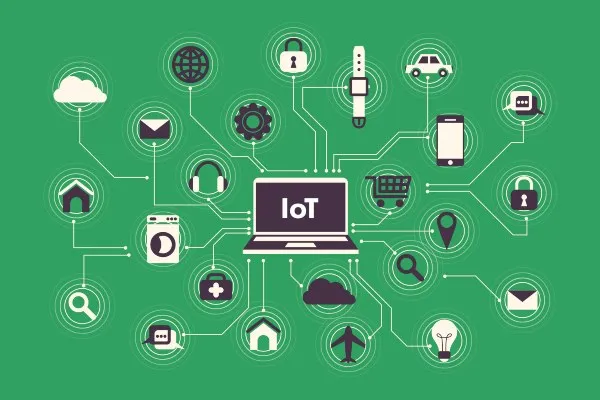
The rapid adoption of Internet of Things (IoT) devices has transformed ordinary homes into interconnected smart environments. Smart speakers, security cameras, smart locks, thermostats, wearable devices, smart TVs, and connected appliances continuously collect and exchange data to provide convenience and automation. While these technologies enhance everyday life, they also create valuable sources of digital evidence for forensic investigators.
Digital evidence from smart homes is increasingly playing a critical role in criminal investigations, civil disputes, insurance fraud cases, and cybercrime investigations. Understanding how to identify, preserve, and analyze IoT data has become an essential skill for modern digital forensic professionals. Professionals working in this field rely on specialized <a href=”/digital-forensics-services”>Digital Forensics Services</a> to acquire, preserve, and analyze evidence from connected devices while maintaining forensic integrity.
What is Digital Evidence from Smart Homes?
Digital Evidence from Smart Homes (IoT) refers to electronically stored information generated by connected devices installed within residential environments. Unlike traditional digital evidence found on computers or smartphones, IoT evidence is often distributed across multiple devices and cloud services. Since many smart home devices synchronize data with cloud platforms, investigators often combine IoT analysis with <a href=”/cloud-forensics”>Cloud Forensics</a> techniques to recover and correlate digital evidence.
Examples of digital evidence include:
- Device activity logs
- Voice assistant recordings
- Motion detection records
- Smart lock access history
- Security camera footage
- Wi-Fi connection logs
- GPS and location data
- Sensor readings (temperature, humidity, movement)
- Cloud synchronization records
These artifacts can help investigators reconstruct timelines and verify events with remarkable accuracy.
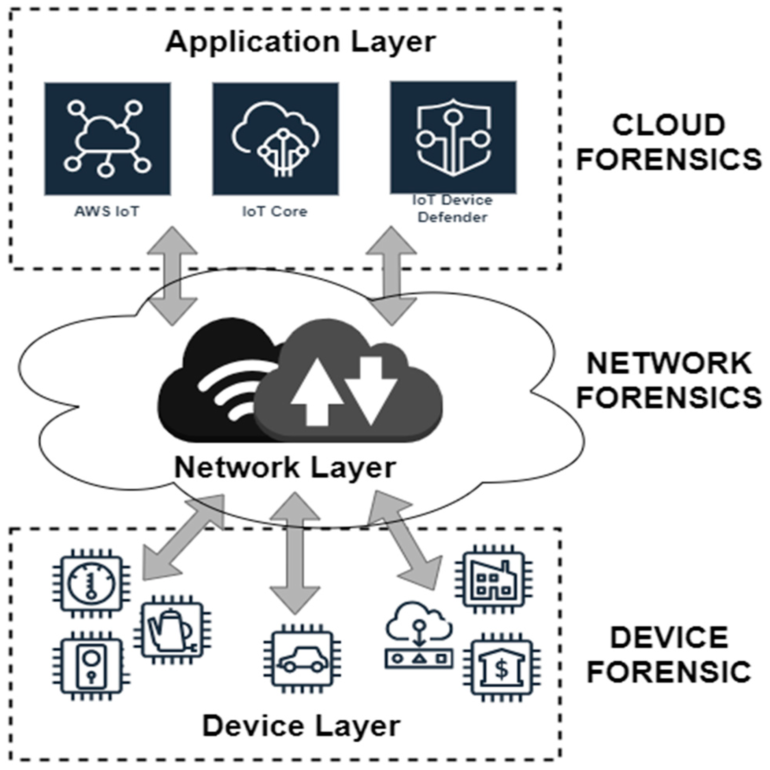
Common Smart Home Devices That Store Evidence
Several IoT devices may contain valuable forensic evidence:
Smart Speakers
Devices such as Amazon Alexa and Google Nest store voice commands, interaction history, and account activity that may establish user actions or conversations.
Smart Security Cameras
Indoor and outdoor surveillance systems often retain video recordings, motion events, timestamps, and cloud backups useful during investigations.
Smart Door Locks
Electronic locks record every lock and unlock event, user identities, PIN entries, and remote access activities.
Smart Thermostats
Thermostats maintain occupancy schedules, environmental changes, and user interactions that may help verify whether someone was present at a specific time.
Smart Lighting Systems
Lighting automation logs can reveal occupancy patterns, remote commands, and scheduled activities.
Smart TVs and Streaming Devices
Viewing history, installed applications, login records, and network activity may provide investigative leads.
Wearable Devices
Smartwatches and fitness trackers record heart rate, physical activity, sleep patterns, GPS routes, and health metrics that can support timeline reconstruction.
Why IoT Evidence Matters in Investigations
Smart home devices generate continuous streams of data, making them valuable independent witnesses during investigations.
IoT evidence can assist investigators by:
- Establishing accurate timelines
- Verifying a suspect’s or victim’s presence
- Corroborating witness statements
- Identifying unauthorized access
- Detecting tampering or intrusion
- Supporting cybercrime investigations
- Providing contextual evidence alongside mobile and computer forensic findings
For example, a smart door lock may show that a house was unlocked at 11:42 PM, while motion sensors and security cameras confirm movement shortly afterward.
Challenges in IoT Forensic Investigations
Despite their value, smart home investigations present several technical and legal challenges.
Device Diversity
There are thousands of IoT devices from different manufacturers, each using proprietary operating systems, storage formats, and communication protocols.
Cloud Dependency
Many devices store only limited information locally, with most evidence synchronized to cloud servers that may require legal authorization for access.
Encryption
Modern IoT ecosystems employ strong encryption to protect user privacy, making forensic acquisition more complex.
Volatile Data
Some devices overwrite logs frequently or retain only a short history, making timely evidence collection essential.
Privacy Concerns
Investigators must balance evidence collection with applicable privacy laws and legal procedures to ensure evidence remains admissible.
Best Practices for Collecting IoT Evidence
Proper forensic procedures help maintain the integrity and admissibility of smart home evidence.
Recommended practices include:
- Secure the crime scene before interacting with devices.
- Photograph device placement and screen status.
- Document all connected IoT devices.
- Identify associated mobile applications and cloud accounts.
- Preserve network configuration and router logs.
- Maintain a complete chain of custody.
- Perform forensic acquisition using validated tools whenever possible.
- Calculate cryptographic hash values for acquired evidence.
- Avoid altering device settings during collection.
Following standardized forensic methodologies minimizes the risk of evidence contamination.
The Future of Smart Home Forensics
As smart homes become increasingly common, IoT forensic investigations will continue to evolve. Artificial intelligence, edge computing, smart vehicles, and interconnected home ecosystems will generate even larger volumes of digital evidence.
Digital forensic professionals must stay updated with emerging technologies, cloud acquisition techniques, and evolving legal frameworks to effectively investigate incidents involving connected devices.
National Institute of Standards and Technology (NIST) – IoT Cybersecurity: https://www.nist.gov/programs-projects/nist-cybersecurity-iot-program
Europol – Internet Organised Crime Threat Assessment (IOCTA): https://www.europol.europa.eu
OWASP Internet of Things Project: https://owasp.org/www-project-internet-of-things/
INTERPOL Digital Forensics Resources: https://www.interpol.int

Post comments (0)