Cybercriminals continuously develop sophisticated techniques to compromise computer systems while remaining undetected. Among the most dangerous threats are backdoors and rootkits in malware, which are designed to provide unauthorized access and conceal malicious activities from users and security software. Understanding how backdoors and rootkits work, the types of rootkits, and what a backdoor in malware is has become essential for cybersecurity professionals, digital forensic investigators, and organizations aiming to strengthen their cyber defenses. These stealthy threats are frequently used in ransomware attacks, cyber espionage, financial fraud, and Advanced Persistent Threats (APTs), making rootkit detection and effective malware analysis critical components of modern cybersecurity. To build practical expertise in identifying and investigating such threats, explore our <a href=”https://www.hawkeyeforensic.com/digital-forensics-training”>Digital Forensics Training</a>
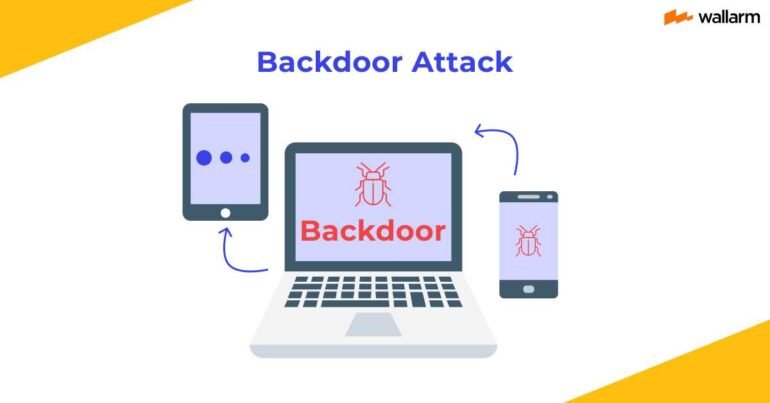
How Backdoors and Rootkits Work Together
In many cyberattacks, backdoors and rootkits complement each other.
A typical attack sequence may include:
- Initial exploitation through phishing or software vulnerability.
- Installation of a backdoor.
- Deployment of a rootkit.
- Establishment of persistent remote access.
- Data theft or deployment of ransomware.
To better understand other malicious software commonly used in cyberattacks, read our guide on <a href=”https://www.hawkeyeforensic.com/blog/types-of-malware”>Types of Malware Explained</a>.
Detection of Backdoors and Rootkits Malware
Detecting these threats is difficult because they actively hide themselves.
Cybersecurity professionals commonly use:
- Behavioral Analysis
- Memory Forensics
- Rootkit Scanners
- File Integrity Monitoring
- Boot-Time Scanning
Organizations seeking professional assistance with forensic investigations can learn more about our <a href=”https://www.hawkeyeforensic.com/computer-forensics”>Computer Forensics Services</a>.
Prevention Best Practices of Backdoors and Rootkits Malwares
Preventing infection is considerably easier than removing sophisticated malware.
Organizations should implement:
- Regular operating system updates
- Multi-factor authentication (MFA)
- Endpoint Detection and Response (EDR)
- Principle of Least Privilege
- Secure software downloads
- Employee cybersecurity awareness training
- Network segmentation
- Routine security audits
- Frequent backups
Professionals interested in strengthening their defensive capabilities can also explore our <a href=”https://www.hawkeyeforensic.com/cyber-security-training”>Cybersecurity Training Programs</a>.
Digital Forensics Perspective
From a digital forensic investigation standpoint, backdoors and rootkits present unique challenges.
Investigators often collect:
- Memory dumps
- Registry artifacts
- Network traffic captures
- Event logs
- Timeline analysis
- Kernel structures
- Persistence mechanisms
- Malware samples
https://www.hawkeyeforensic.com/digital-forensics-training
Proper acquisition and preservation of digital evidence are critical during any investigation. Learn more about <a href=”https://www.hawkeyeforensic.com/blog/digital-evidence-collection”>Digital Evidence Collection</a> and the best practices followed by forensic professionals.
Prevention Best Practices
Preventing infection is considerably easier than removing sophisticated malware.
Organizations should implement:
- Regular operating system updates
- Multi-factor authentication (MFA)
- Endpoint Detection and Response (EDR)
- Principle of least privilege
- Secure software downloads
- Employee cybersecurity awareness training
- Network segmentation
- Routine security audits
- Frequent backups
Zero Trust security architecture also minimizes opportunities for attackers to establish persistent access.





Post comments (0)