
Faliha

60 Results / Page 7 of 7

Background

todayJanuary 8, 2026

close

Digital Forensics Faliha Khan

What Is Network Forensics?

What Is Network Forensics? A Beginner’s Guide Network forensics is a specialized branch of digital forensics that focuses on monitoring, capturing, and analyzing network traffic to investigate cyber incidents. In simple terms, it helps experts understand what occurred on a computer network during a cyber attack or suspicious activity. Whenever ...

todayJanuary 8, 2026

close

Fingerprint Examination Faliha Khan

Basics of Fingerprints

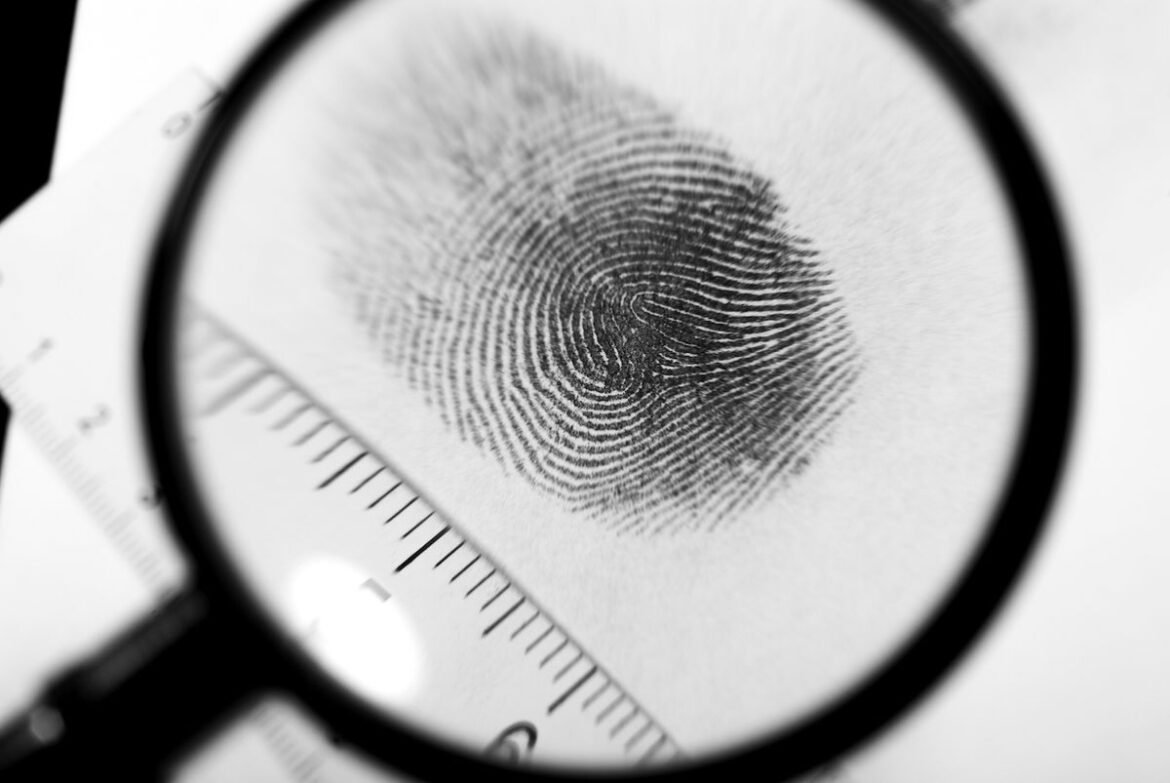
Fingerprints in Forensic Science: Meaning, Uniqueness, History, and Importance Fingerprints play a vital role in forensic science and criminal investigations. Even today, when advanced techniques like DNA analysis exist, fingerprints remain one of the most trusted and widely used methods of identification. Their uniqueness, permanence, and easy availability make them ...

todayJanuary 7, 2026

close

Digital Forensics Faliha Khan

Email Forensics

Email Forensics: Tracing Anonymous Threats In the digital age, email has become a common tool for communication—and unfortunately, for crime. Anonymous threat emails are frequently used for blackmail, extortion, harassment, terrorism threats, and corporate espionage. Identifying the sender behind such emails is a major challenge, and this is where email ...

todayJanuary 7, 2026

close

Document Analysis Faliha Khan

Questioned Documents in Forensic Science

Questioned Documents in Forensic Science Documents play an important role in legal, financial, and personal matters. In everyday life, people rely on documents to prove identity, ownership, and agreements. However, when doubts arise about a document’s authenticity or origin, forensic science becomes necessary. In such situations, Questioned Document Examination (QDE) ...

todayJanuary 6, 2026

close

Blog Faliha Khan

Expert Witnesses: Role and Responsibilities in Forensic Science

Introduction Expert witnesses play a crucial role in the legal system, especially in forensic science. Unlike ordinary witnesses, they do not just describe events—they provide professional opinions based on specialized knowledge, training, and experience. Therefore, understanding the role and responsibilities of expert witnesses helps courts interpret complex scientific and technical ...

todayJanuary 6, 2026

close

Blog Faliha Khan

Chain of Custody in Forensic Science: Why Evidence Integrity Matters

Introduction Chain of custody in forensic science is essential for maintaining evidence integrity. In any investigation, collecting evidence is not enough—investigators must also prove that it remained safe, authentic, and unchanged from collection to courtroom presentation. Therefore, the chain of custody ensures that forensic evidence retains its legal value. Even ...