In the field of digital forensics, investigators often need to examine large amounts of data stored on computers, hard drives, USB drives, and other storage devices. Manually reviewing this data can be extremely time-consuming. This is where Autopsy, one of the most widely used open-source digital forensic platforms, becomes useful.
But what does Autopsy tool do, and why is it important for forensic investigators? Let’s explore its major capabilities and role in a digital forensic investigation.
What Is the Autopsy Tool?
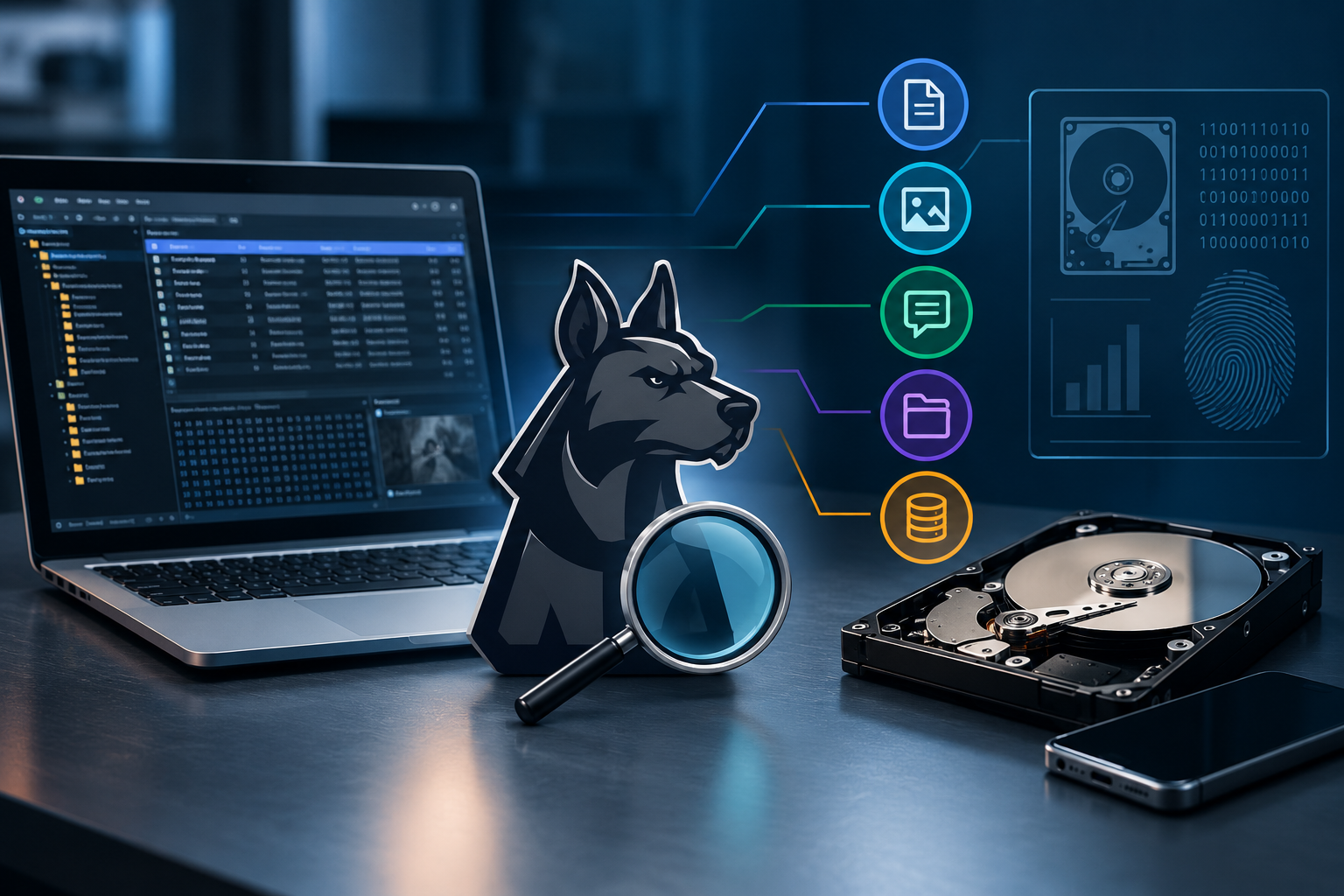
Autopsy is an open-source digital forensics platform that provides a graphical interface for analyzing forensic images and digital evidence. It is built on top of The Sleuth Kit (TSK), a collection of command-line tools and libraries used for analyzing disk images and file systems.
Autopsy helps investigators examine evidence in a structured manner without having to manually analyze every file and directory. It can process forensic images, identify relevant artifacts, recover deleted files, analyze user activity, and generate reports.
You can learn more about the platform from the official Autopsy website.
What Does Autopsy Tool Do?
The primary purpose of Autopsy is to help investigators identify, analyze, and document digital evidence. Some of its most important functions include:
1. Forensic Image Analysis
Autopsy can analyze forensic disk images acquired from computers and storage devices. Investigators can add an image as a data source and examine its file system, partitions, folders, and files.
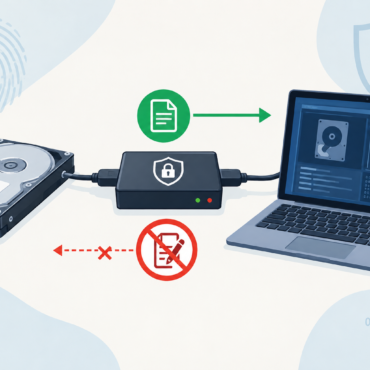
This allows investigators to work on a forensic copy rather than directly modifying the original evidence, helping maintain forensic integrity.
2. Deleted File Recovery
One of the important capabilities of Autopsy is its ability to identify and recover certain deleted files.
When a file is deleted, its data may remain on the storage medium until the relevant space is overwritten. Autopsy can examine file-system structures and unallocated space to identify deleted files and potentially recover their contents.
This makes deleted file recovery in Autopsy particularly useful during forensic examinations.
3. Keyword Searching
Digital investigations can involve thousands or millions of files. Autopsy provides keyword-search functionality that helps investigators locate specific terms, names, email addresses, URLs, or other relevant information.
For example, investigators examining a suspected fraud case could search for terms related to financial transactions, usernames, or specific organizations.
4. Web Browser Artifact Analysis
Modern investigations frequently involve internet activity. Autopsy can parse various web browser artifacts, depending on the operating system, browser, and available data.
Investigators may be able to examine information such as browsing history, downloaded files, cookies, and other browser-related artifacts.
This can help establish a timeline of a user’s online activity.
5. Timeline Analysis
Timeline analysis is another valuable feature in digital forensics. Autopsy can organize timestamps associated with files and other artifacts to help investigators understand when different activities occurred.
A timeline can help answer questions such as:
- When was a particular file created?
- When was it modified?
- When did a user access certain data?
- What activity occurred before or after an incident?
However, timestamps should always be interpreted carefully because different file systems and applications can record or modify timestamps in different ways.
6. Metadata Examination
Files can contain valuable metadata, including information about creation, modification, location, software, or other attributes.
Autopsy can extract and present available metadata associated with supported files. Metadata can provide additional context and help investigators correlate evidence from different sources.
7. Hash Analysis
Hash values can be used to identify known files and assist in distinguishing potentially relevant files from common system files.
Autopsy supports hash-based analysis and can work with hash databases to identify known files. This can reduce the amount of data investigators need to manually review.
8. Email and Communication Artifact Analysis
Depending on the evidence source and available parsers, Autopsy can process certain email and communication-related artifacts.
These artifacts can potentially provide information about messages, accounts, attachments, and user activity, making them valuable sources of evidence in appropriate investigations.
9. Reporting
Documentation is a critical part of digital forensic investigations. Autopsy allows investigators to organize findings and generate forensic reports.
A report can contain selected evidence, investigative findings, file information, timelines, and other relevant details. Proper reporting makes the examination easier to review and supports the presentation of findings to investigators, legal teams, or courts.
Why Is Autopsy Important in Digital Forensics?
The major advantage of Autopsy is that it brings many forensic examination capabilities into a single interface. Instead of manually navigating through a forensic image and using multiple independent command-line utilities, investigators can use Autopsy to process and organize evidence more efficiently.
It is also open source, making it accessible for students, researchers, forensic laboratories, and investigators who want to understand or perform digital forensic analysis.
The Sleuth Kit website provides additional information about the underlying forensic toolkit on which Autopsy is built.
Limitations of Autopsy
Although Autopsy is a powerful digital forensic investigation tool, it should not be considered a complete solution for every investigation.
Its capabilities depend on the evidence source, operating system, file system, installed modules, and available parsers. Some artifacts may require specialized forensic software or manual examination.
Investigators should also validate important findings using appropriate forensic procedures and, where necessary, corroborate them with other evidence sources.


Post comments (0)