Introduction
Crime scene evidence plays a crucial role in modern criminal investigations. Every fingerprint, bloodstain, footprint, digital device, or handwritten note collected from a scene has the potential to uncover the truth and help investigators reconstruct events accurately. However, evidence is extremely fragile. A single mistake at the crime scene can contaminate, alter, or completely destroy valuable forensic information. Once compromised, evidence may become unreliable in court or even unusable for investigation.
Forensic science depends not only on advanced technology and laboratory analysis but also on proper crime scene handling. This is why investigators, police personnel, forensic experts, and even first responders must follow strict procedures while preserving and collecting evidence. Understanding common mistakes that destroy crime scene evidence is essential for ensuring justice and maintaining the integrity of investigations.
Failing to Secure the Crime Scene
One of the most common and serious mistakes is failing to properly secure the crime scene immediately after an incident. When unauthorized individuals enter the area, they can unintentionally contaminate evidence by touching objects, moving items, leaving fingerprints, or stepping on footprints. Crowds, media personnel, curious bystanders, and even untrained officers can disturb critical evidence if proper barriers are not established. Investigators must create a secure perimeter and maintain a strict entry log to track everyone entering or leaving the scene.
A poorly secured crime scene can result in:
- Contaminated fingerprints
- Disturbed bloodstain patterns
- Destroyed shoe impressions
- Loss of trace evidence, such as hair or fibres
Securing the scene is the foundation of every forensic investigation.
Improper Use of Personal Protective Equipment (PPE)
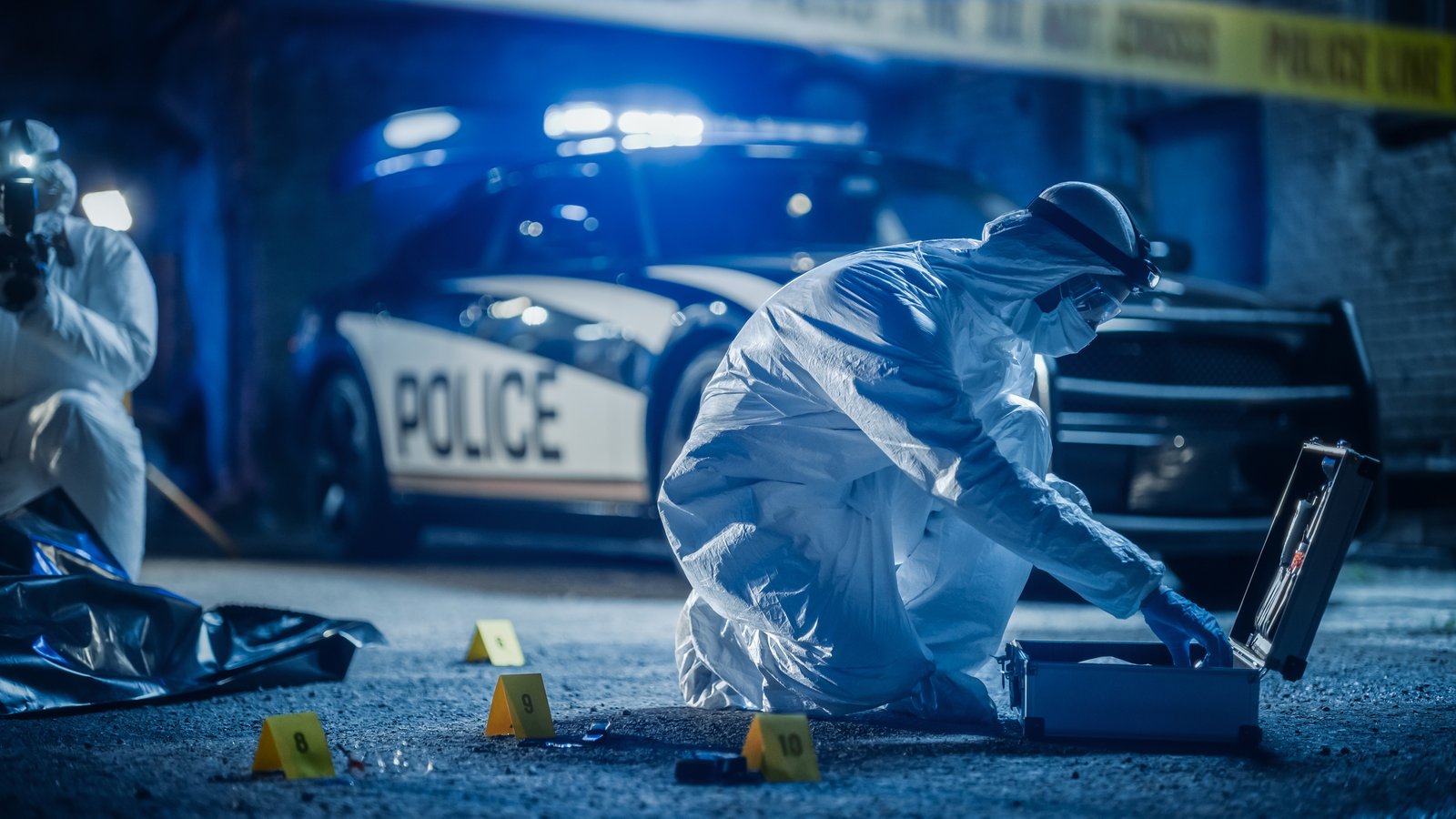
Crime scene investigators are required to wear gloves, masks, shoe covers, and protective clothing while handling evidence. Failure to use PPE can introduce foreign DNA, fingerprints, hair, or fibres into the scene.
For example, touching an object without gloves may leave latent fingerprints or transfer skin cells that interfere with DNA analysis. Similarly, coughing or sneezing near biological evidence may contaminate samples.
Changing gloves frequently is equally important. Using the same gloves while handling multiple items can lead to cross-contamination between pieces of evidence.
Proper PPE usage protects both
- The integrity of the evidence
- The safety of investigators from hazardous substances
Poor Evidence Packaging
Incorrect packaging is another major cause of evidence destruction. Different types of evidence require different packaging methods to preserve their condition.
For instance:
- Wet biological evidence should never be stored in plastic bags because moisture promotes bacterial growth and DNA degradation.
- Sharp objects must be secured properly to avoid damage or injury.
- Trace evidence should be packaged separately to prevent mixing.
- Digital devices such as mobiles, laptops, and hard drives should be stored in anti-static or Faraday bags to prevent data corruption or remote tampering.
- Questioned documents must be kept in clean paper folders or envelopes without folding or stapling to preserve handwriting, fingerprints, and ink details.
Using improper containers may lead to:
- Mold formation
- Evidence deterioration
- Cross-contamination
- Loss of microscopic material
Paper bags, envelopes, druggist folds, and sealed evidence containers are commonly used depending on the nature of the evidence.
Delayed Evidence Collection
Time is a critical factor in forensic investigations. Delaying evidence collection can result in permanent loss of valuable information.
Environmental conditions such as rain, sunlight, heat, wind, or human activity can rapidly destroy evidence. Bloodstains may dry or degrade, footprints may disappear, and digital evidence may be overwritten or remotely deleted.
In outdoor crime scenes, especially, investigators must prioritize fragile evidence first. Prompt documentation and collection help preserve original conditions and prevent evidence loss.
Inadequate Crime Scene Documentation
Documentation is one of the most important aspects of forensic investigation. Before evidence is moved or collected, the scene must be photographed, sketched, and thoroughly recorded.
Common documentation mistakes include:
- Missing photographs
- Poor lighting during photography
- Incorrect measurements
- Incomplete notes
- Failure to document the evidence location
Without proper documentation, investigators may struggle to reconstruct the scene accurately later in court. Photographs and sketches provide visual records that preserve the original condition of the crime scene.
Detailed documentation strengthens the credibility of forensic findings and ensures transparency during legal proceedings.
Mishandling Biological Evidence
Biological evidence, such as blood, saliva, semen, hair, and tissues, requires special handling because it is highly sensitive to contamination and environmental damage.
Common mistakes include:
- Using wet swabs without drying
- Mixing biological samples
- Exposing samples to heat or sunlight
- Failing to refrigerate certain evidence
DNA evidence is particularly delicate. Even minimal contamination can compromise laboratory results and create misleading conclusions.
Proper labelling, drying, packaging, and storage procedures are essential for maintaining the integrity of biological samples.
Ignoring Chain of Custody Procedures
Chain of custody refers to the documented record of who collected, handled, transferred, and analysed evidence throughout an investigation.
Failure to maintain the chain of custody can make evidence inadmissible in court. Missing signatures, incomplete records, or unsealed evidence containers raise doubts about whether the evidence was altered or tampered with.
Every transfer of evidence must be carefully documented with:
- Date and time
- Name of handler
- Purpose of transfer
- Condition of evidence
Maintaining a proper chain of custody ensures accountability and protects the credibility of forensic investigations.
Overlooking Trace Evidence
Trace evidence includes tiny materials such as the following:
- Hair
- Fibers
- Glass fragments
- Soil
- Paint particles
These microscopic materials often play a vital role in linking suspects, victims, and crime scenes. However, they are easy to overlook or destroy during careless handling.
Walking through a scene unnecessarily, improperly sweeping, or careless movement can displace or contaminate trace evidence.
Investigators must conduct systematic searches and use specialized collection techniques to preserve even the smallest forensic traces.
Mishandling Digital Evidence
Modern investigations frequently involve digital devices such as smartphones, laptops, CCTV systems, and storage drives. Mishandling digital evidence can result in data corruption or permanent loss.
Common digital forensic mistakes include:
- Turning devices on or off improperly
- Failing to isolate devices from networks
- Accessing files without forensic tools
- Ignoring volatile data
Digital evidence must be handled carefully using forensic protocols to maintain authenticity and prevent data alteration.
Conclusion
Crime scene evidence is the backbone of forensic investigation. Even the most advanced forensic laboratory cannot recover evidence that has been contaminated, destroyed, or improperly collected at the scene. Small mistakes during evidence handling can lead to wrongful conclusions, failed prosecutions, or even loss of justice.
Proper crime scene management requires discipline, scientific procedures, and attention to detail. Securing the scene, using protective equipment, documenting evidence correctly, maintaining the chain of custody, and following forensic protocols are essential responsibilities of every investigator.
As forensic science continues to evolve, awareness and training regarding evidence preservation become increasingly important. Protecting crime scene evidence not only strengthens investigations but also ensures fairness, accuracy, and trust in the criminal justice system.




Post comments (0)