Introduction
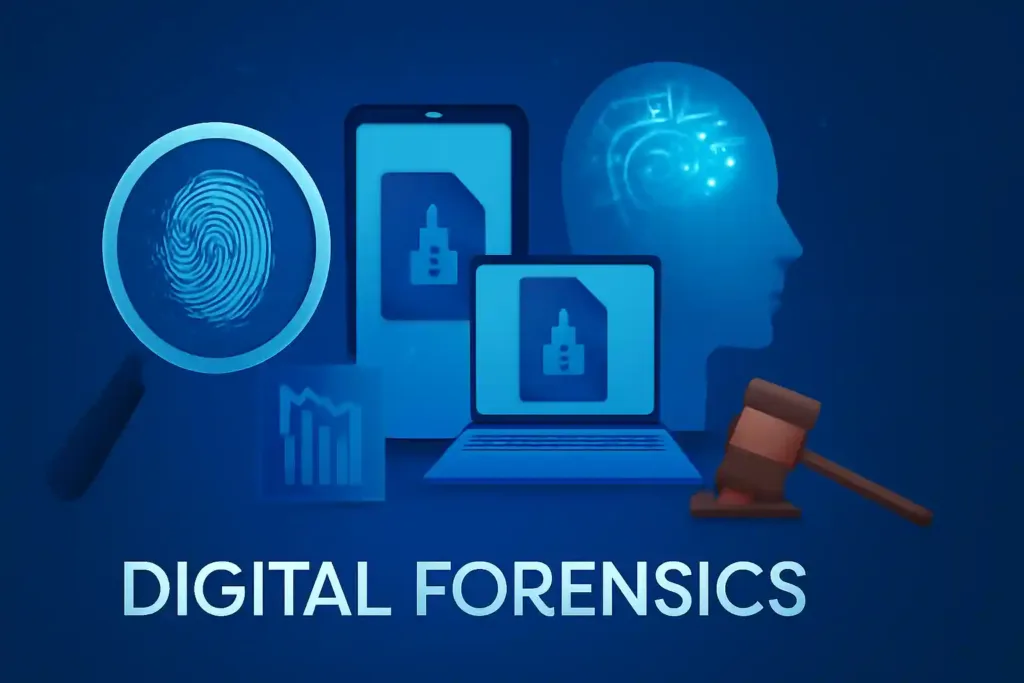
Forensic science has traditionally been associated with fingerprints, bloodstains, firearms, and DNA evidence collected from physical crime scenes. However, in the modern digital era, investigators are increasingly encountering a new form of invisible evidence: “digital dust.” Every online action, electronic interaction, deleted file, location ping, and even metadata fragment leaves behind traces capable of reconstructing human behaviour with remarkable precision.
Digital forensic evidence has emerged as one of the most powerful investigative tools in contemporary criminal investigations. Unlike physical evidence, digital traces can silently record movements, communications, intentions, timelines, and associations without the knowledge of the individual involved. This transformation has significantly changed how crimes are detected, investigated, and presented before courts.
What is Digital Dust?
The term “digital dust” refers to microscopic fragments of electronic data unintentionally left behind through daily digital activity.
These traces may include:
- Browser history
- GPS location records
- Deleted messages
- Metadata from photographs
- Cloud synchronization logs
- Wi-Fi connection records
- Smartwatch health data
- Social media interactions
- Search engine queries
- App usage statistics
Although many believe that deleted information disappears permanently, forensic experts can often recover fragments of these records using specialised forensic tools and recovery techniques.
The Evolution of Forensic Science
Traditional forensic science relies heavily upon physical evidence recovered from tangible crime scenes. Fingerprint examination, questioned document analysis, toxicology, and firearm examination form the backbone of criminal investigations for decades.
Today, digital devices have become extensions of human identity. Smartphones, laptops, tablets, smart home devices, and even wearable technology continuously generate information about the activities of individuals. Consequently, forensic science has evolved from merely examining physical traces to interpreting behavioral patterns through digital evidence.
A modern crime scene may now contain both physical and virtual evidence.
Forensic investigators frequently combine:
- DNA analysis
- Fingerprint examination
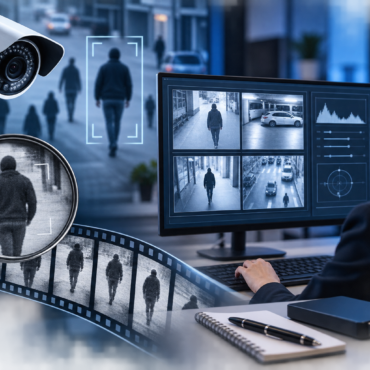
- CCTV footage
- Mobile phone extraction
- Internet activity analysis
- Geolocation mapping
- Cloud data recovery
This multidisciplinary approach has significantly increased investigative accuracy.
Digital Forensics in Criminal Investigations
Digital forensics involves the identification, preservation, extraction, analysis, and presentation of electronic evidence.
It plays a crucial role in investigations involving:
Cybercrime
Hackers, ransomware operators, financial fraudsters, and identity thieves often leave digital footprints that forensic analysts can trace through IP logs, server records, malware signatures, and transaction histories.
Homicide Investigations
Location data, communication records, internet searches, and smart device activity can establish timelines and identify suspects. In several homicide cases worldwide, smartwatch heart-rate data and GPS movements have contradicted false alibis.
Financial Fraud
Digital accounting records, cryptocurrency transactions, hidden spreadsheets, and deleted emails frequently provide vital evidence in white-collar crime investigations.
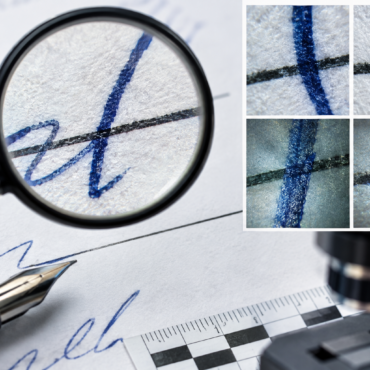
Questioned Documents
Modern forensic document examination increasingly includes analysis of electronically created documents, digital signatures, metadata alterations, and manipulated scanned documents.
Metadata: The Hidden Story Behind Files
Metadata is often described as “data about data.”
It contains hidden information regarding:
- Date and time of file creation
- Device used
- Editing history
- GPS coordinates
- User account information
- Printing history
Forensic experts carefully examine metadata because it can expose document fabrication, image manipulation, or intentional deletion attempts.
For example, a digitally altered contract may appear genuine visually, but metadata may reveal that the document was modified shortly before submission.
The Rise of Artificial Intelligence in Forensics
Artificial intelligence (AI) is rapidly changing forensic science.
Machine learning systems can now:
- Detect forged images
- Identify deepfake videos
- Analyze handwriting patterns
- Match fingerprints faster
- Recognize facial patterns
- Predict behavioural links between suspects
AI-assisted forensic systems improve efficiency and reduce manual workload. However, they also introduce concerns regarding reliability, transparency, and algorithmic bias.
Challenges in Digital Forensics
Despite its advantages, digital forensic science faces several major challenges.
Encryption
Modern devices increasingly use advanced encryption systems that make data extraction difficult without passwords or authentication keys.
Massive Data Volumes
Investigators often deal with terabytes of information from multiple devices, making evidence filtering extremely time-consuming.
Privacy Concerns
Balancing forensic investigation with individual privacy rights remains a major ethical and legal challenge.
Rapid Technological Change
Technology evolves faster than forensic standards and legislation. New applications, cloud systems, and communication platforms constantly create fresh challenges for investigators.
Digital Evidence in Courtrooms
Courts increasingly rely upon digital evidence, but admissibility depends on proper forensic procedures. Investigators must maintain:
- Chain of custody
- Data integrity
- Authenticity verification
- Proper acquisition methods
- Reliable forensic documentation
Improper handling can result in evidence contamination or rejection during trial proceedings.
Forensic experts are therefore required not only to recover evidence but also to explain complex technical findings in language understandable to judges and juries.
The Future of Forensic Science
The future of forensic science lies at the intersection of biology, chemistry, artificial intelligence, and digital technology. Emerging areas include:
- Cloud forensics
- Drone forensics
- Deepfake detection
- Cryptocurrency investigations
- Internet of Things (IoT) forensics
- Biometric authentication analysis
- Virtual reality crime reconstruction
As society becomes increasingly dependent on digital systems, forensic scientists will continue to play a critical role in uncovering the truth hidden within electronic environments.
Conclusion
The modern forensic laboratory is no longer limited to only microscopy and fingerprints. Today’s investigators must navigate an interconnected digital world where every device silently records fragments of human activity.
Digital dust has become the silent witness of the 21st century. Whether solving cybercrime, financial fraud, homicide, or document forgery, forensic science now depends upon the ability to identify, interpret, and preserve invisible electronic traces.
As technology advances, forensic science will continue evolving beyond traditional crime scene investigation into a discipline capable of reconstructing entire human narratives from digital fragments left behind in everyday life.


Post comments (0)