Introduction
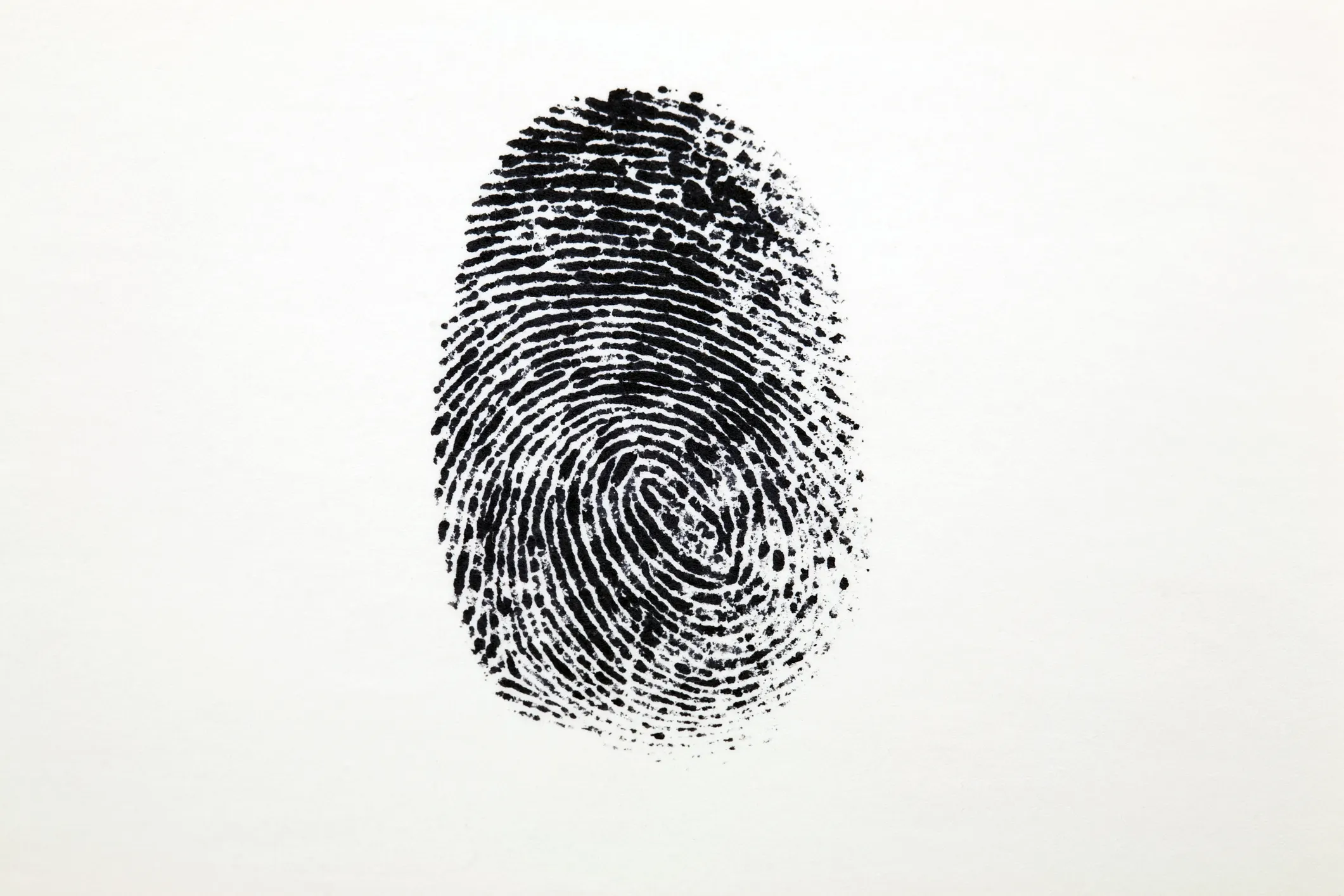
Fingerprint evidence has always played a major role in criminal investigations for more than a century. Even with advanced techniques in DNA analysis, CCTV surveillance, and digital forensics, fingerprints remain one of the most reliable forms of identification. Every person has unique ridge patterns on their fingers, making fingerprints a powerful tool for linking suspects to crime scenes.
One of the most well-known cases where fingerprints as evidence helped investigators was the infamous Tandoor murder case of 1995 in Delhi. The case highlighted the importance of scientific investigation and demonstrated how forensic experts can link suspects to a crime scene through physical evidence.
Background of the Case
Naina Sahni was a political worker and the wife of Sushil Sharma.
The shocking nature of the crime drew nationwide attention and became one of India’s most discussed criminal cases.
Disposal of the Body
After the murder, the accused transported the victim’s body to a restaurant in Delhi.
Investigators later found that the body had been placed inside a tandoor oven and was partially burned to destroy physical evidence and prevent identification.
The unusual activity and smoke from the restaurant attracted suspicion. Local authorities and police officials reached the spot after receiving information about the incident. Upon inspection, they discovered partially burned human remains inside the tandoor.
This discovery immediately transformed the matter into a major criminal investigation.
Beginning of the Investigation
The Delhi Police began a detailed investigation to determine the following:
- The identity of the victim.
- The cause of death.
- The people involved in the crime
- The attempt to destroy evidence.
The crime scene team carefully secured the location to avoid contamination of evidence. Multiple forensic experts were called to examine the scene scientifically.
Investigators collected:
- Bloodstains
- Firearm-related evidence
- Burned materials
- Clothing fragments
- Fingerprints from various objects and surfaces
At this stage, forensic science became extremely important in reconstructing the sequence of events.
Role of Fingerprint Evidence
During the investigation, forensic experts examined various evidence recovered from the crime scene and the restaurant premises. Latent fingerprints were developed from surfaces connected to the disposal and transportation of evidence.
Forensic experts searched for such prints on:
- Vehicle surfaces
- Containers
- Furniture
- Restaurant equipment
- Objects handled during transportation and disposal
Forensic experts used special fingerprint powders and chemical techniques to develop these latent prints. Once the prints appeared, the experts photographed and lifted them using adhesive lifting tapes.
The experts then compared the recovered fingerprints with specimen fingerprints collected from the suspects.
Fingerprint examination helped investigators:
-
Link the accused to objects used during the crime.
-
Establish physical handling of evidence.
-
Support witness statements and circumstantial evidence.
-
Strengthen the prosecution’s forensic findings
The fingerprint evidence, along with ballistic analysis, blood analysis, and witness testimony, played an important role in reconstructing the sequence of events.
Scientific Examination
The fingerprint experts followed a systematic comparison process.
The examination focused on:
- Ridge flow patterns
- Ridge endings
- Bifurcations
- Islands and dots
- Individual minutiae characteristics
Fingerprint comparison is based on the principle that no two individuals possess identical ridge characteristics. The experts compared the questioned prints recovered from the evidence with the specimen prints of the accused.
The matching characteristics helped investigators establish handling and contact with important evidence connected to the crime.
Other Forensic Evidence
Apart from fingerprint examination, several other forensic techniques were used during the investigation.
Ballistic Examination:
Firearm experts examined bullets and cartridge cases recovered during the investigation.
The examination helped determine:
The weapon used.
Firing characteristics.
Link between the firearm and the crime.
Biological Examination:
Bloodstains and tissue samples were analysed to identify the victim and establish the occurrence of violence.
Postmortem Examination:
Medical experts conducted an autopsy to determine the following:
- Cause of death
- Nature of injuries
- Approximate time of death.
The postmortem findings confirmed firearm injuries before the burning attempt.
Reconstruction of the Crime
Using forensic evidence, investigators reconstructed the sequence of events:
- The victim was shot at the residence.
- The body was transported from the house.
- An attempt was made to burn the body inside a tandoor oven.
- The accused tried to destroy evidence connected with the crime.
Fingerprint evidence supported this reconstruction by linking individuals to specific objects and locations involved in the offence.
Importance of Crime Scene Preservation
The Tandoor murder case also highlighted the importance of proper crime scene management.
Investigators ensured:
- Restricted access to the scene
- Scientific collection of evidence
- Proper packaging and sealing
- Documentation through photography and notes
Without proper preservation, important fingerprints and biological evidence could have been destroyed.
Court Proceedings
The case received massive media attention across India. During the trial, forensic experts presented scientific findings before the court.
Fingerprint experts explained:
- Methods of latent print development
- Comparison procedures
- Matching ridge characteristics
The scientific evidence supported witness statements and other circumstantial evidence presented by the prosecution.
After detailed court proceedings, Sushil Sharma was convicted of the murder of Naina Sahni.
Impact on Forensic Science in India
The Tandoor murder case became one of India’s most discussed criminal investigations involving forensic science. It increased public awareness regarding the following:
- Crime scene investigation
- Fingerprint examination
- Scientific evidence in court
- Importance of forensic laboratories
The case also emphasizes that criminals may attempt to destroy evidence, but forensic science can still uncover the truth through careful examination.
Modern Fingerprint Technology in India
Today, fingerprint identification in India has become more advanced with the use of:
- Automated Fingerprint Identification System (AFIS)
- Digital fingerprint scanners
- Live-scan biometric systems
- Computerised ridge analysis
These technologies help forensic experts compare fingerprints rapidly against large databases.
Fingerprint evidence is used in:
- Criminal investigations
- Biometric attendance systems
- Aadhaar verification
- Immigration and border security
- Cybercrime investigations
Conclusion
The Tandoor murder case remains one of the most significant examples of forensic science assisting criminal investigation in India. Fingerprint examination, along with ballistic and biological evidence, helped investigators establish crucial links between the accused and the crime.
The case demonstrated that even when offenders attempt to destroy evidence, scientific investigation can reveal hidden facts through careful forensic examination. It also reinforced the importance of fingerprints as one of the most reliable forms of identification in criminal justice.
Today, fingerprint analysis continues to play a major role in solving crimes and supporting law enforcement agencies across India.



Post comments (0)