Cyberstalking & Digital Harassment: Forensic Evidence Collection
In today’s digital world, cyberstalking and digital harassment have become serious and increasingly reported cybercrimes. Moreover, the widespread use of smartphones, social media platforms, and instant messaging applications has provided offenders with constant access to their victims. As a result, harassment is no longer limited by physical distance. Therefore, understanding forensic evidence collection in such cases is essential for effective investigation and legal action.
Understanding Cyberstalking and Digital Harassment
Firstly, cyberstalking refers to repeated and unwanted online behaviour intended to threaten, intimidate, or monitor an individual. In addition, digital harassment includes abusive messages, impersonation, online defamation, and unauthorized surveillance. Although these acts take place in virtual environments, they cause real emotional, psychological, and sometimes physical harm.
Furthermore, cyberstalking is characterized by continuity rather than isolated incidents. Consequently, forensic analysis focuses on identifying patterns of behaviour over time. For example, repeated messages, persistent monitoring, and escalating threats often indicate stalking rather than casual online conflict.
Importance of Forensic Evidence
Importantly, victim statements alone are often insufficient in cyberstalking cases. Therefore, forensic evidence becomes the backbone of the investigation. Moreover, properly collected digital evidence helps establish the identity of the offender, the frequency of harassment, and the intent behind the actions.
Additionally, forensic evidence provides objectivity. As a result, courts rely on scientifically validated findings rather than assumptions. Thus, digital forensics bridges the gap between technology and law.
Types of Digital Evidence in Cyberstalking Cases
Communication Records
Firstly, communication data such as emails, text messages, call logs, and instant messaging chats form primary evidence. Even if the offender deletes messages, remnants may still exist in device storage or backups. Therefore, forensic tools are used to retrieve both active and deleted data.
Social Media and Online Platforms
Secondly, social media platforms are commonly used for harassment. In addition, offenders may create fake or impersonation profiles to continue stalking anonymously. However, forensic analysis examines not only visible content but also associated metadata such as timestamps, account activity, and interaction patterns.
Device-Based Evidence
Next, mobile phones, laptops, and tablets are examined for application usage, browser history, and system logs. Moreover, forensic imaging ensures that data is collected without altering the original device. Consequently, the integrity of the evidence is maintained.
Metadata and System Logs
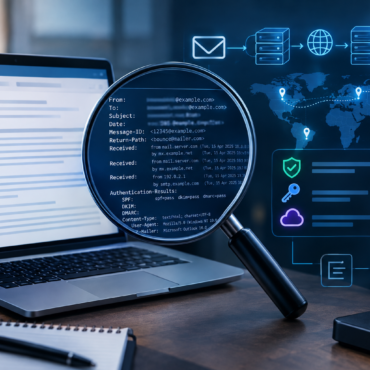
Furthermore, metadata plays a crucial role in cyberstalking investigations. For instance, it can reveal the exact time a message was sent, the device used, and the location of the user. As a result, timelines can be accurately reconstructed.
Cloud and Backup Data
Additionally, cloud storage often contains valuable evidence. Even after data is deleted from a device, backups may still retain earlier records. Therefore, cloud analysis is an essential component of modern digital forensics.
Forensic Evidence Collection Process
Initial Case Assessment
Firstly, the forensic expert evaluates the complaint to identify devices, platforms, and potential evidence sources. At this stage, early intervention is critical. Otherwise, crucial data may be overwritten or lost.
Preservation of Evidence
Secondly, evidence must be preserved in its original state. Accordingly, devices are isolated, and forensic images are created. Moreover, a strict chain of custody is maintained. Without proper preservation, evidence may become legally inadmissible.
Data Acquisition
Next, forensic tools are used to extract logical and physical data from devices. In addition, deleted files and hidden application databases are recovered wherever possible. Throughout this process, every step is carefully documented.
Analysis and Correlation
Subsequently, extracted data is analysed and correlated. For example, repeated messages across multiple platforms may be linked to a single user. Similarly, location data may support the victim’s timeline. Consequently, patterns of stalking behaviour become evident.
Reporting and Expert Opinion
Finally, findings are compiled into a detailed forensic report. Importantly, the report explains the methodology, tools used, and conclusions in clear language. Therefore, it can be understood by investigators, lawyers, and the court.
Legal Significance of Forensic Evidence
Notably, digital evidence must meet standards of authenticity and integrity to be admissible. Hence, forensic compliance is essential. Moreover, expert testimony often strengthens cases by simplifying technical findings for judicial understanding.
Common Mistakes That Weaken Cyberstalking Cases
Unfortunately, victims sometimes unintentionally damage their cases. For instance, deleting messages, relying only on screenshots, or delaying forensic examination can weaken evidence. Therefore, early consultation with a forensic expert is strongly recommended.
Conclusion
In conclusion, cyberstalking and digital harassment are serious crimes with long-lasting consequences. Although offenders attempt to hide behind technology, they leave behind digital traces. Ultimately, proper forensic evidence collection ensures accountability, strengthens legal proceedings, and empowers victims in their pursuit of justice.



Post comments (0)