How to Prepare for a Digital Forensic Internship or Lab Training
Digital forensics is a highly practical and skill-oriented field. While theoretical knowledge builds a strong foundation, real learning begins during a digital forensic internship or lab training. However, many students enter forensic laboratories without adequate preparation. As a result, they often struggle to understand procedures, tools, and professional expectations. Therefore, proper preparation before joining an internship or training program is essential to gain maximum hands-on experience and long-term professional benefits.
This blog explains how to prepare effectively for a digital forensic internship or lab training, focusing on academic readiness, technical familiarity, ethical awareness, and professional conduct.
Understand the Scope of Digital Forensics
Before joining any internship or lab training, it is important to clearly understand the scope of digital forensics. Digital forensics is not limited to hacking or cybercrime alone. Instead, it involves the scientific identification, preservation, examination, and reporting of digital evidence.
Moreover, digital forensics covers multiple sub-domains such as computer forensics, mobile forensics, email analysis, internet history examination, social media forensics, and cloud investigations. Therefore, having a broad understanding of these areas helps interns follow lab activities more effectively. Additionally, it enables students to relate practical demonstrations to theoretical concepts learned earlier.
Strengthen Your Theoretical Basics
Although internships are practice-oriented, theory remains equally important. In fact, many students face difficulties during training due to weak conceptual understanding. Therefore, revising core theoretical topics beforehand is highly recommended.
Key topics to focus on include:
-
Digital forensic investigation process
-
Types of digital evidence
-
Volatile and non-volatile data
-
Chain of custody
-
Forensic imaging and hashing
-
Legal admissibility of digital evidence
Furthermore, basic knowledge of operating systems such as Windows and Android is extremely useful. For example, understanding file systems, user accounts, logs, and application data helps interns interpret forensic artifacts more accurately during analysis.
Get Familiar with Common Forensic Tools
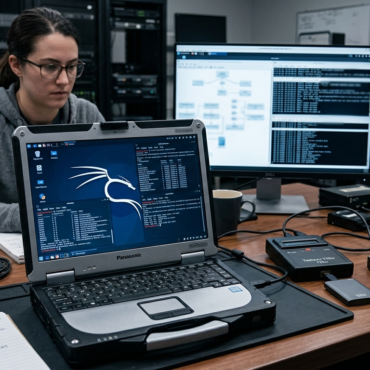
While interns are not expected to master forensic tools before training, basic familiarity offers a significant advantage. Most forensic laboratories use a combination of commercial and open-source tools. Therefore, knowing their purpose helps interns understand lab workflows more easily.
Common tools include:
-
Autopsy
-
FTK Imager
-
EnCase (conceptual awareness)
-
Cellebrite or Oxygen (theoretical understanding)
-
MOBILedit
-
Wireshark (basic exposure)
Additionally, understanding what a tool does is more important than knowing every feature. Consequently, interns can focus on learning procedures rather than feeling overwhelmed by software interfaces.
Learn Documentation and Reporting Practices
Digital forensics does not end with data extraction. Instead, documentation and reporting form the backbone of forensic credibility. Unfortunately, many students underestimate this aspect during training.
Therefore, before joining an internship, practice:
-
Writing clear observation notes
-
Recording date, time, system details, and tools used
-
Understanding the structure of a digital forensic report
Moreover, proper documentation ensures transparency and reproducibility. As a result, forensic findings become easier to explain during case discussions or court proceedings.
Understand Ethics and Confidentiality
Ethics and confidentiality are fundamental in digital forensic practice. Since interns may handle sensitive data, professional conduct becomes non-negotiable. Therefore, students must be mentally prepared to follow strict ethical guidelines.
During training, you may be required to:
-
Sign confidentiality or non-disclosure agreements
-
Avoid sharing case-related information publicly
-
Follow lab-specific data handling protocols
Consequently, respecting confidentiality not only protects case integrity but also builds trust with supervisors and institutions.
Develop the Right Professional Mindset
Digital forensic training requires patience, discipline, and attention to detail. Unlike other technical fields, forensic work cannot be rushed. Therefore, developing the right mindset is crucial.
Important qualities include:
Moreover, making mistakes during training is normal. However, learning from those mistakes under expert guidance ultimately strengthens forensic competence.
Prepare Practically Before Joining
Small practical preparations can significantly improve your internship experience. For instance, revising basic computer operations and file management makes lab work smoother. Additionally, learning basic command prompt usage enhances understanding of system-level activities.
Before training begins:
-
Revise basic computer functions
-
Practice folder navigation and file handling
-
Maintain a notebook for daily learning
-
Follow punctuality and lab discipline
As a result, interns adapt faster to professional lab environments.
What to Expect During Digital Forensic Training
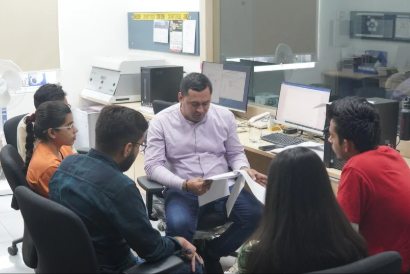
Understanding what happens during training reduces anxiety and improves confidence. Initially, interns usually observe procedures. Gradually, they may assist under supervision.
Typical activities include:
-
Evidence handling and preservation
-
Forensic imaging of storage devices
-
Mobile data extraction
-
Deleted data recovery
-
Report preparation and case discussions
Therefore, patience during the early stages is essential, as observation plays a critical role in forensic learning.
Conclusion
In conclusion, preparing for a digital forensic internship or lab training requires more than academic knowledge. It demands a balanced combination of theoretical clarity, basic tool awareness, ethical responsibility, documentation skills, and professional attitude. Students who prepare in advance adapt faster, learn more effectively, and gain greater confidence during training.
Ultimately, a well-prepared intern lays a strong foundation for a successful and responsible career in digital forensics.

Post comments (0)