Computer Forensics vs Digital Forensics: Key Differences Explained
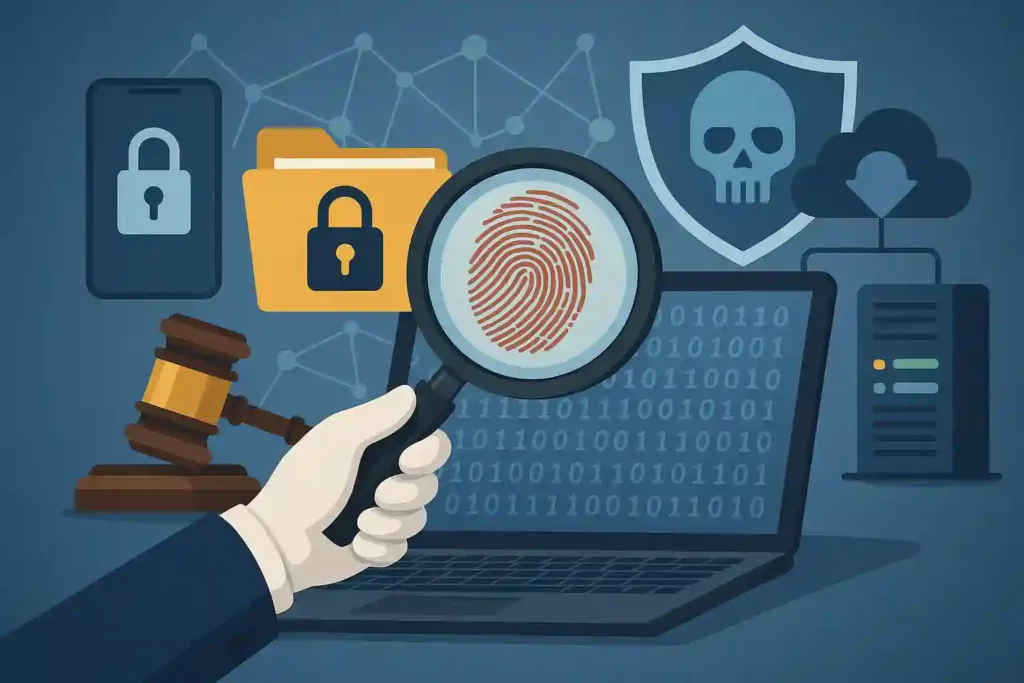
With the rapid rise in cybercrime, digital evidence has become a cornerstone of modern investigations. Terms like computer forensics and digital forensics are often used interchangeably. However, in forensic science and legal practice, they represent distinct yet interconnected domains. Understanding the difference between computer forensics and digital forensics is essential for forensic students, investigators, legal professionals, and cybersecurity experts.
This article clearly explains computer forensics vs digital forensics, highlighting their scope, tools, applications, and legal relevance.
What Is Computer Forensics?
Computer forensics is a specialized branch of digital forensics that focuses specifically on computers and computer-based storage media. It involves the identification, preservation, examination, and presentation of digital evidence stored on desktops, laptops, hard drives, and external storage devices.
Key Focus Areas of Computer Forensics
-
Hard disk and SSD analysis
-
File system examination (NTFS, FAT, EXT)
-
Deleted file recovery
-
Log file analysis
-
User activity reconstruction
-
Timeline analysis
Computer forensics is commonly applied in:
-
Financial fraud cases
-
Intellectual property theft
-
Insider threat investigations
-
Corporate disputes
-
Data theft and hacking cases
What Is Digital Forensics?
Digital forensics is a broader forensic discipline that deals with evidence from all types of digital devices. Computer forensics is only one component of digital forensics.
Domains Covered Under Digital Forensics
Digital forensics addresses crimes involving:
-
Smartphones and tablets
-
Emails and social media
-
Cloud storage platforms
-
Network traffic
-
GPS and smart devices
Computer Forensics vs Digital Forensics: Core Differences
| Aspect |
Computer Forensics |
Digital Forensics |
| Scope |
Limited to computers |
Covers all digital devices |
| Devices |
PCs, laptops, hard drives |
Computers, mobiles, networks, cloud, IoT |
| Nature |
Specialized |
Comprehensive |
| Tools Used |
EnCase, FTK, Autopsy |
Cellebrite, XRY, EnCase, Wireshark |
| Complexity |
Relatively focused |
Broad and multidisciplinary |
| Application |
Corporate & financial cases |
Cybercrime, terrorism, fraud, surveillance |
Investigation Approach
Computer Forensics Process
-
Seizure of computer systems
-
Disk imaging using write blockers
-
Hash value generation
-
File system and data analysis
-
Report preparation and expert testimony
Digital Forensics Process
-
Identification of all digital sources
-
Multi-device data acquisition
-
Correlation of evidence across platforms
-
Timeline and behavioral analysis
-
Legal documentation and presentation
Digital forensics investigations often require coordination between multiple forensic specialists.
Legal Perspective
From a legal standpoint, digital forensics has wider courtroom relevance, especially in cases involving multiple devices or online activity. However, computer forensic reports remain critical in civil disputes, corporate investigations, and financial crimes.
Both disciplines must adhere to:
Failure to follow forensic protocols can lead to evidence being challenged or rejected in court.
Which One Is Better?
Neither is “better” — they serve different purposes.
-
Choose computer forensics when the evidence source is limited to computers or storage media.
-
Choose digital forensics when the case involves multiple devices, online platforms, or network activity.
In real-world investigations, computer forensics often forms the foundation of a larger digital forensic examination.
Career and Academic Relevance
For forensic science students and researchers, understanding this distinction is crucial for:
-
Selecting specialization areas
-
Designing research studies
-
Writing forensic reports
-
Providing expert testimony
In PhD-level and case-based research, clearly defining whether the analysis falls under computer forensics or digital forensics improves scientific clarity and legal acceptance.
Conclusion
While computer forensics and digital forensics are closely related, they are not the same. Computer forensics focuses on evidence from computer systems, whereas digital forensics encompasses all forms of digital evidence. Knowing the difference enhances investigative accuracy, strengthens legal credibility, and supports professional growth in the forensic domain.


Post comments (0)