
Malware Analysis

13 Results / Page 1 of 2

Background

todayJuly 17, 2026

close

Blog Admin

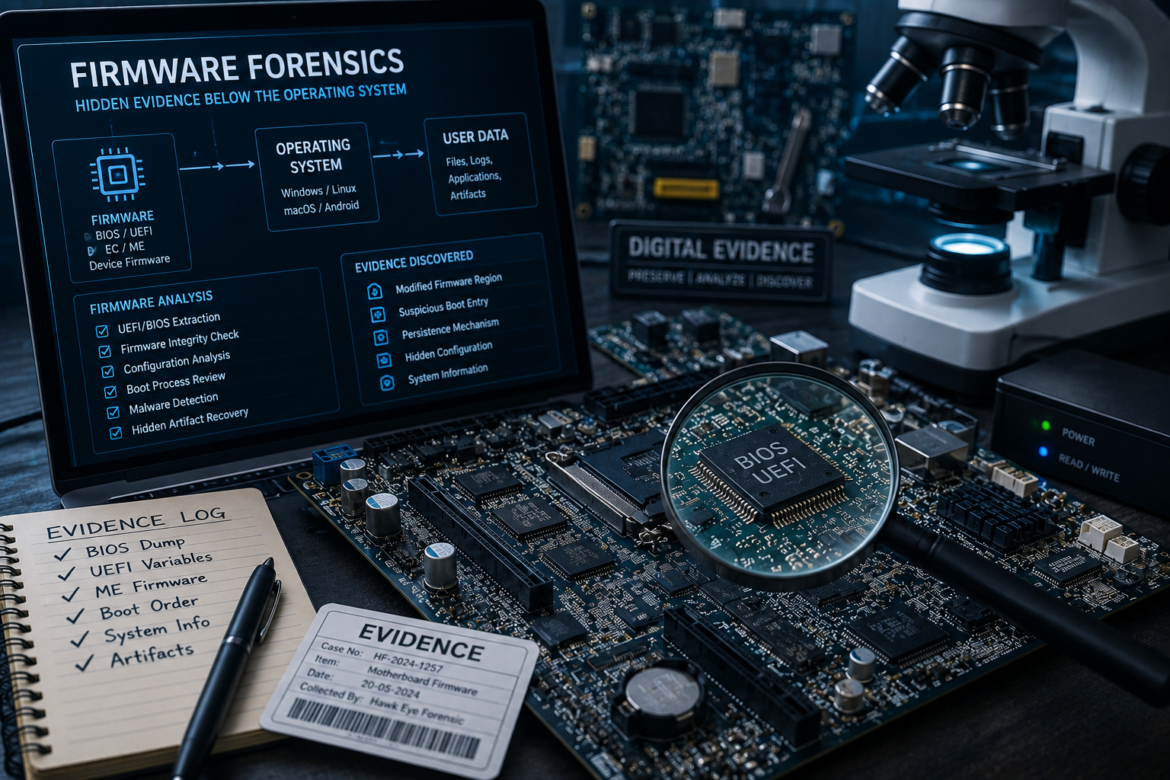
Firmware Forensics: Hidden Evidence Below the Operating System

When people think about digital forensic investigations, they often focus on files, emails, browser history, or deleted data stored on a device. However, valuable digital evidence can exist much deeper within a system. Hidden beneath the operating system lies firmware—a critical component that controls how hardware communicates with software. Firmware ...

todayJuly 3, 2026

close

Blog Harinandhan A S

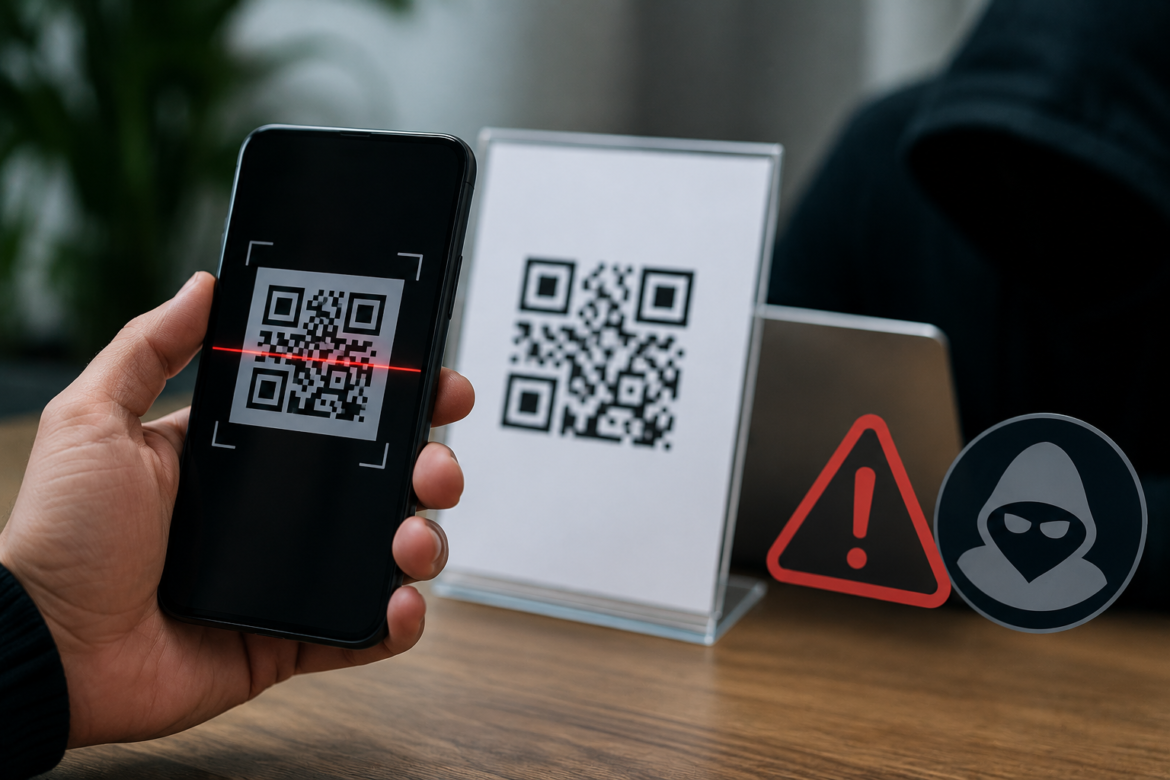
QR Code Scams: The New Face of Cybercrime

QR Code Scams have emerged as one of the fastest-growing cyber threats in today’s digital world. From restaurant menus and online payments to event tickets and banking applications, QR codes have become an essential part of everyday life. While they offer speed and convenience, cybercriminals are increasingly exploiting them to ...

todayJuly 3, 2026

close

Blog Harinandhan A S

The First 24 Hours After a Cyberattack: Why Every Minute Matters

The first 24 hours after a cyberattack are the most critical period in any cybersecurity incident. Whether an organization experiences ransomware, a phishing attack, unauthorized network access, or data theft, the actions taken during the initial hours can significantly influence the outcome of the investigation and recovery process. Cybercriminals often ...

Email Forensics investigation

todayJune 25, 2026

close

Blog + Email forensics Harinandhan A S

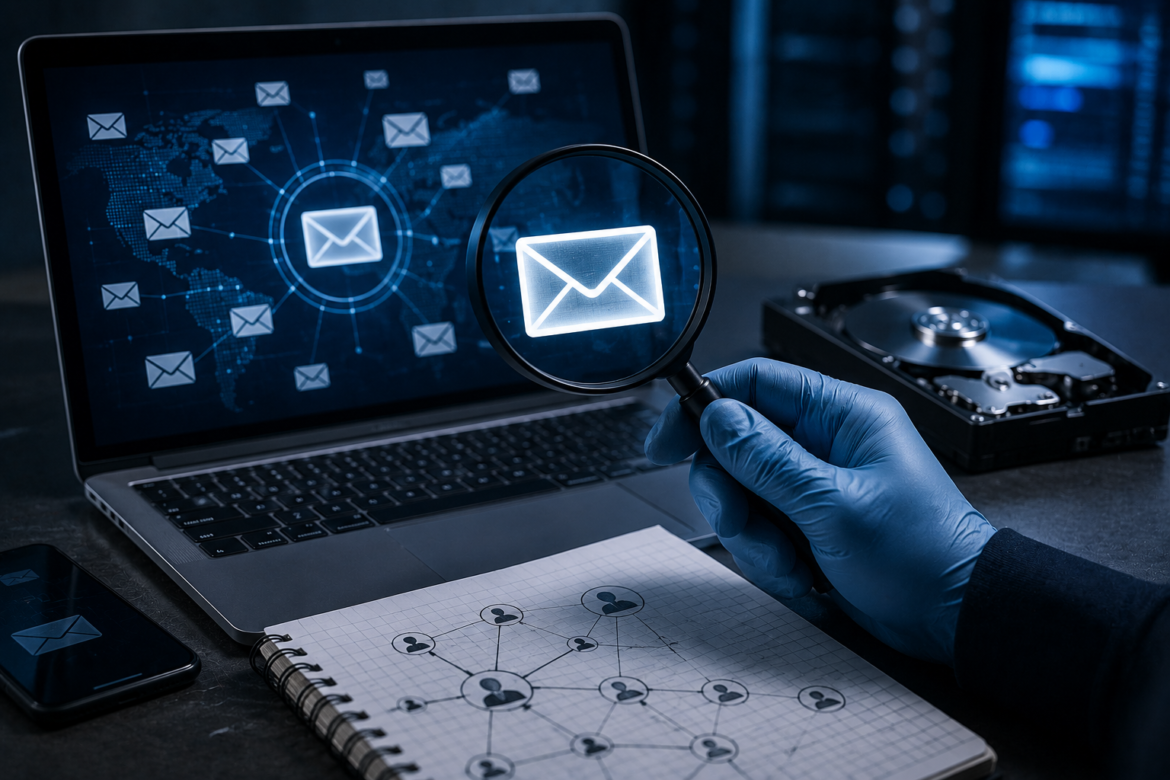
Email Forensics: Uncovering Digital Evidence Hidden in Emails

Introduction Email Forensics is a specialized branch of digital forensics that focuses on identifying, preserving, analyzing, and presenting evidence found in email communications. Despite the rise of instant messaging and collaboration platforms, email remains one of the most widely used communication channels for businesses, government agencies, and individuals. Consequently, cybercriminals ...

todayJune 13, 2026

close

Data forensic + Blog + digital forensic + Cyber Forensic Harinandhan A S

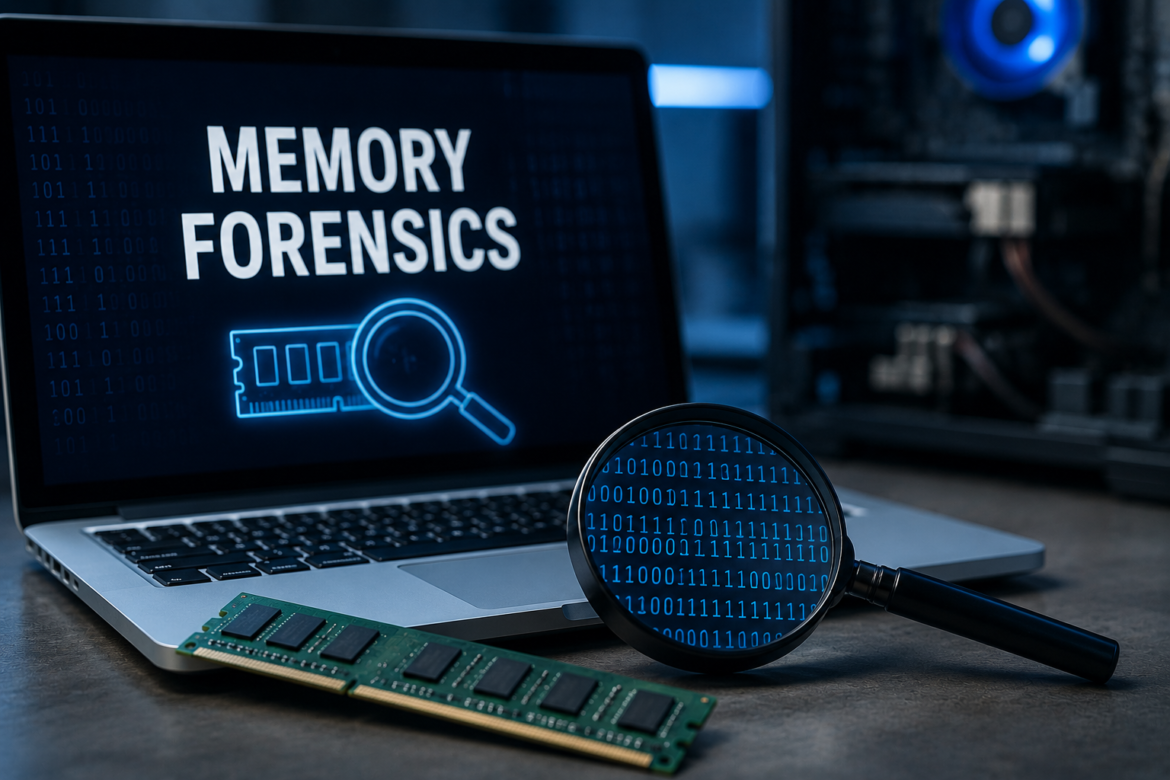
Memory Forensics: Recovering Hidden Evidence from RAM

Introduction When investigating a cyber incident, many people focus on hard drives, mobile devices, or cloud storage. However, some of the most valuable digital evidence never gets written to disk. Instead, it exists temporarily in a computer’s Random Access Memory (RAM). This is where Memory Forensics becomes essential. Memory Forensics ...

todayJune 11, 2026

close

Blog + Cybersecurity Harinandhan A S

Ransomware Attacks: Understanding the Threat and How to Protect Your Organization

Introduction Ransomware has become one of the most dangerous cybersecurity threats facing organizations worldwide. From small businesses to large enterprises and government agencies, no organization is immune to these attacks. Cybercriminals use ransomware to encrypt critical files and demand payment in exchange for restoring access. In recent years, ransomware attacks ...

todayApril 10, 2024

close

Blog

ROLE OF DIGITAL FORENSIC IN INCIDENT RESPONSE

In the continuously changing cybersecurity landscape, organizations face a constant burst of threats, ranging from malicious insiders to sophisticated cyber-attacks. When a security incident occurs, instant and effective response is important to minimize damage, protect critical assets, and maintain business continuity. This is where digital forensics plays a crucial role, ...

todayApril 5, 2024

close

Digital Forensics Anjali Singhal

How to Detect and Investigate Network Security Breaches Using Forensics

Understanding Network Forensics Network forensics can be described as the process of capturing, recording, and examining network events to uncover the origin of security breaches or any malicious activities. Unlike conventional digital forensics, which focuses on scrutinizing individual devices such as computers and mobile phones, network forensics specifically deals with ...

todayMarch 7, 2024

close

Digital Forensics

IoT Forensic

Introduction: The Internet of Things (IoT) has rapidly spread into our homes, workplaces, cities, and industries over the past decade. IoT devices like smart home assistants, connected security cameras, wearable fitness trackers, and industrial sensors have made our lives more convenient and efficient. However, this increased connectivity and automation also ...