The digital forensics landscape has evolved far beyond desktops and smartphones. Today, miniature powerhouses strapped to our wrists are quietly collecting some of the most intimate, continuous, and legally compelling evidence available. Smartwatch forensics—a specialized subdiscipline of mobile device forensics—has become a cornerstone of modern criminal and corporate investigations.
Because smartwatches remain physically attached to an individual throughout the day, they capture a passive stream of biometric, spatial, and communication records. When a smartphone is destroyed, missing, or remotely wiped, a synchronized or standalone wearable often stands as the sole surviving witness to an event.
Below, we explore the core technical methodologies, data types, and critical challenges that forensic examiners face when extracting evidence from smart wearables.
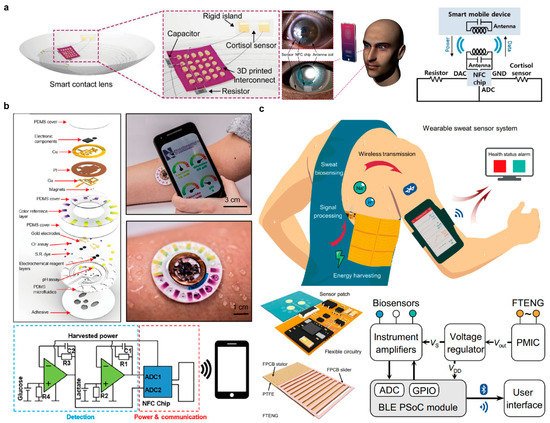
<img src=”applsci-11-01235-g007-550.jpg” alt=”Smartwatch forensics analysis of wearable biometric sensors, showing data transmission frameworks and health telemetry systems used as digital evidence.”>
Why Smartwatch Evidence is Transforming Investigations
Unlike traditional computing environments, wearable technology records a user’s physiological state in real time. This distinct stream of metadata enables digital investigators to build an unassailable chronological record of events.
Key evidentiary categories regularly recovered during an extraction include:
-
Biometric and Health Data: Continuous heart rate monitoring, blood oxygen levels ($SpO_2$), sleep cycle analysis, and step counts. In critical cases, a sudden spike or terminal drop in heart rate can pinpoint the exact time of stress, physical altercation, or death.
-
Geolocation and Travel Routing: Standalone GPS logs, Wi-Fi connection histories, and Bluetooth pairing logs that can verify or refute an alibi.
-
Synchronized Communications: Cached incoming/outgoing calls, SMS messages, push notifications from messaging apps (like WhatsApp or Telegram), and social media alerts.
-
Device Configuration Metrics: Unique MAC addresses, serial numbers, synchronization histories, and paired account information.
Technical Workflows: The Three Pillars of Extraction
Extracting data from smartwatches is uniquely challenging due to highly proprietary operating systems (such as Apple’s watchOS, Google’s WearOS, and Garmin’s custom firmware). Forensic examiners utilize three primary technical pathways to acquire evidence securely without compromising its integrity.
1. Companion Device Analysis
The vast majority of smartwatches function as satellite accessories to a host smartphone. Rather than targeting the watch directly, investigators prioritize extracting data from the paired iOS or Android device. Forensic software parses synchronized SQLite databases, backup directories, and application logs (such as Apple Health or Samsung Health frameworks) stored on the phone. This approach circumvents many physical extraction constraints on the wearable itself.
2. Direct Hardware Extraction
When the companion phone is missing or destroyed, examiners turn to direct physical or logical extraction. Specialized hardware kits utilize bespoke connection cradles or pogo-pin readers to establish a physical link with the smartwatch’s diagnostic ports.
-
Logical Extraction: The forensic tool interfaces directly with the watch’s operating system via custom APIs to pull visible files, database records, and system settings.
-
Physical Extraction (Hex Dumping/JTAG): For supported chipsets, examiners pull raw data from the storage flash memory, allowing for the potential recovery of deleted files and unallocated space.
3. Cloud Forensic Acquisition
Modern wearables stream sensor metrics directly to remote servers. Using legally authorized warrants or tokens extracted from a suspect’s companion phone, examiners employ cloud discovery tools to sync data directly from cloud infrastructure (e.g., Fitbit or Garmin Connect servers). This frequently recovers historic data that has already been overwritten on the wearable’s limited internal storage.
Step-by-Step Forensic Methodology
Every digital investigation must withstand intense legal scrutiny. Examiners adhere to strict protocols to ensure the preservation, authenticity, and non-interference of digital evidence under standard judicial frameworks like the Daubert standard.
| Phase |
Critical Actions |
Forensic Objective |
| 1. Seizure & Isolation |
Place the wearable in a radio-frequency (RF) shielding Faraday bag immediately. |
Prevent remote data wiping commands and unintended over-the-air synchronization. |
| 2. Documentation |
Photograph physical condition, serial numbers, screen state, and document the strict chain of custody. |
Establish an unassailable legal audit trail for court presentation. |
| 3. Acquisition |
Select the optimal extraction vector (Companion phone, Cloud Extractor, or Direct Kit). |
Generate a bit-stream or logical image of the target data without modifying the source files. |
| 4. Analysis & Carving |
Parse raw application databases and carve unallocated space for hidden artifacts. |
Reconstruct timelines, isolate anomalies, and map correlations across data sources. |
Overcoming Modern Wearable Challenges
Despite technical advancements, smartwatch investigations present unique technical hurdles:
The Infobesity and Overwrite Threat: Smartwatches possess severe hardware storage limitations. If a device is not seized and isolated promptly, critical historical data can be automatically overwritten by the system to make room for newer biometric telemetry.
-
Proprietary File Formats: Unlike standardized mobile operating systems, many fitness brands use highly specialized, encrypted file systems that standard forensic suites cannot automatically decode. Custom parsing scripts are frequently required.
-
Encryption Hurdles: Hardware-level encryption and secure enclaves protect user privacy but limit physical chip-off extraction methodologies, making logical and companion-app analysis the preferred modern pathways.
Related Digital Forensics Resources
To further expand your knowledge of specialized digital investigative frameworks, consider reviewing our deep dives on related topics:
-
[Internal Link: Advanced Mobile Device Forensics Protocols] – Master the foundational steps of iOS and Android logical extraction.
-
[Internal Link: Navigating Cloud Evidence and IoT Ecosystems] – Learn how to securely execute cloud extractions from modern IoT devices.
-
[Internal Link: Timeline Analysis: Reconstructing Digital Crime Scenes] – A guide to mapping multiple device logs into a single, cohesive master timeline.
For official regulatory guidelines on managing mobile and wearable evidence, you can review the National Institute of Standards and Technology (NIST) Guidelines for Mobile Device Forensics or explore advanced tool-specific extraction methods documented by industry leaders such as the MSAB Wearable Forensics Glossary and MOBILedit Smartwatch Forensics Framework.

Post comments (0)