
Computer Forensics

37 Results / Page 1 of 5

Background

todayMarch 2, 2026

close

Mobile Forensic + Computer Forensics + Digital Forensics + Malware + Forensic Tool Neerav Jindal

File Signature Analysis: Identifying Files Beyond Extensions

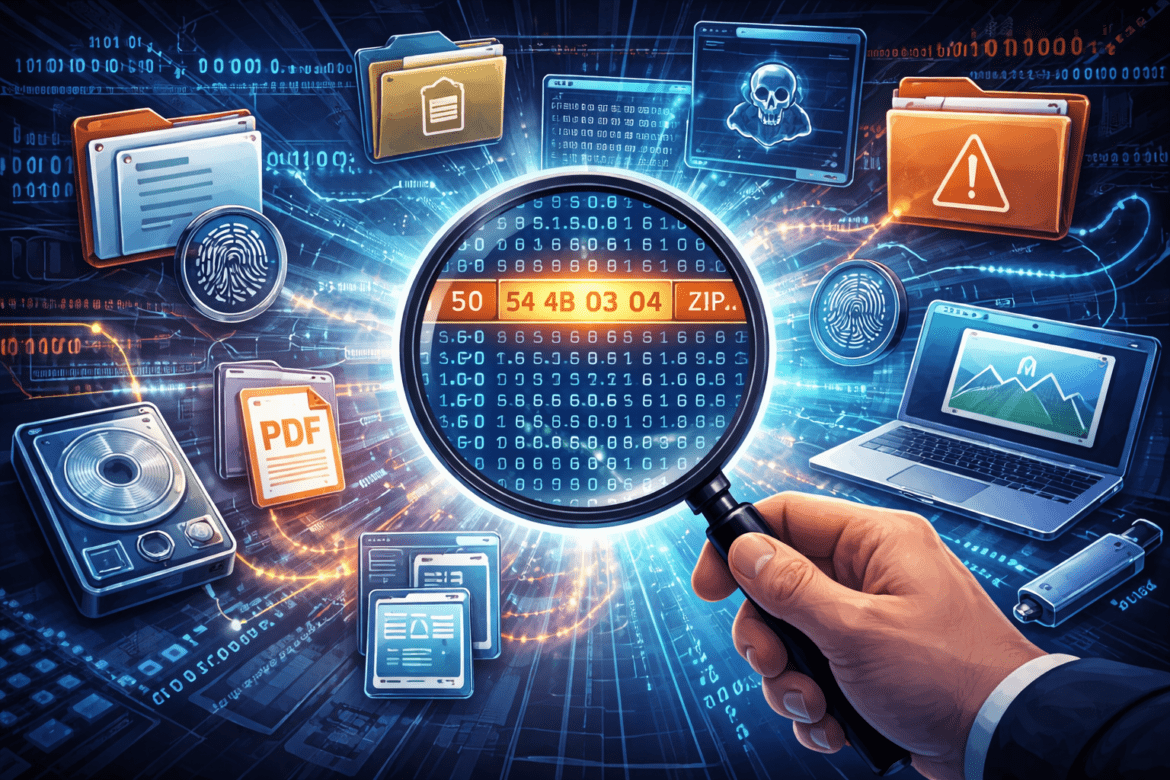
Introduction At first glance, a file extension may seem trustworthy. However, in digital investigations, appearances can be misleading. For example, a file named invoice.pdf might not be a PDF at all. Cybercriminals often rename malicious files to trick users and bypass security filters. As a result, investigators cannot rely only ...

todayFebruary 27, 2026

close

Cyber Forensic + cloud forensic + Mobile Forensic + Computer Forensics + Digital Forensics Neerav Jindal

Dark Web Investigations: Tools and Legal Challenges

The dark web has become a significant arena for cybercrime, illegal marketplaces, data leaks, and anonymous communications. For digital forensic investigators, navigating this hidden layer of the internet requires specialized tools, technical expertise, and strict legal compliance. Understanding the Dark Web The dark web is a subset of the deep ...

todayFebruary 26, 2026

close

Computer Forensics + Digital Forensics Neerav Jindal

USB Forensics: Tracing External Device Usage on Windows Systems

In digital investigations, USB devices often become silent carriers of critical evidence. From data theft and intellectual property leaks to malware infections and insider threats, external storage devices can play a pivotal role. Understanding how to trace USB activity on Windows systems is therefore essential for digital forensic professionals. This ...

todayFebruary 24, 2026

close

Mobile Forensic + Computer Forensics + Digital Forensics + Data forensic Neerav Jindal

RAM Forensics: Extracting Evidence from Volatile Memory

When a computer is powered off, most investigators focus on hard disks and storage devices. However, one of the most valuable sources of evidence disappears the moment a system shuts down — RAM. RAM forensics, also known as volatile memory forensics, involves capturing and analyzing data stored in a system’s ...

todayFebruary 21, 2026

close

Mobile Forensic + Computer Forensics + Digital Forensics + Cyber Forensic Neerav Jindal

Understanding UNIX Date in Android Devices: What It Means and Why It Matters in Digital Forensics

Introduction If you have ever examined Android logs, mobile extractions, or application databases, you have likely encountered long numbers such as 1708425600. At first glance, these numbers look confusing. However, they represent one of the most important time formats used in digital systems — the UNIX date, also known as ...

todayFebruary 20, 2026

close

Cyber Forensic + cloud forensic + Mobile Forensic + Computer Forensics + Digital Forensics Neerav Jindal

Timeline Analysis in Digital Forensics: Reconstructing Events Step by Step

Introduction In digital investigations, understanding what happened is important. However, knowing when it happened is often even more critical. That is where timeline analysis plays a central role. Timeline analysis in digital forensics helps investigators reconstruct events in chronological order. By organizing system activities, file modifications, log entries, and user ...

todayFebruary 17, 2026

close

Blog + Mobile Forensic + Computer Forensics + Digital Forensics Neerav Jindal

BFU vs AFU Analysis in Digital Forensics: Why Device State Matters

Introduction In modern digital investigations, device state can determine the outcome of a case. When investigators seize a smartphone or computer, its condition—powered on, powered off, locked, or unlocked—directly affects the data they can access. Therefore, understanding BFU (Before First Unlock) and AFU (After First Unlock) analysis is essential. These ...

todayFebruary 16, 2026

  • 1
close

Computer Forensics + Digital Forensics + Cyber Forensic Neerav Jindal

Email Header Analysis in Cybercrime Investigations

Introduction: Why Email Headers Matter in Cybercrime Email remains one of the most common tools used in cybercrime. Criminals use phishing, spoofing, business email compromise (BEC), and malware attachments to deceive victims. While the email body may appear convincing, the real evidence often lies hidden in the email header. Email ...