Forensic Audio and Video Analysis: Unveiling Truth Through Technology
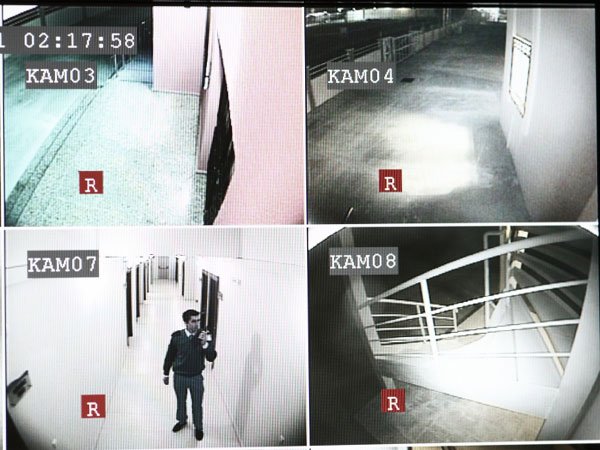
In today’s digital era, audio and video evidence has become pivotal in criminal investigations, legal proceedings, and corporate investigations. But raw media isn’t always reliable. That’s where forensic audio and video analysis comes in—transforming ordinary recordings into credible, admissible evidence.
What is Forensic Audio and Video Analysis?
Forensic audio and video analysis is the scientific process of examining, enhancing, and authenticating recorded media. Experts use specialized software and techniques to identify, clarify, and validate content, often uncovering critical details that are invisible to the naked eye or ear.
This field bridges law enforcement, digital forensics, and legal technology, ensuring evidence is accurate, credible, and court-ready.
Key Applications
-
Criminal Investigations
Audio and video evidence often play a key role in solving crimes. From identifying suspects to verifying alibis, forensic analysis can reveal hidden details like background conversations, altered footage, or tampering.
-
Legal Proceedings
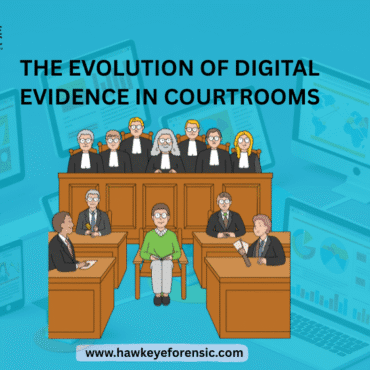
Courts increasingly rely on forensic media analysis to validate evidence. Experts prepare reports, provide testimony, and confirm the authenticity of recordings to ensure justice is served.
-
Corporate and Insurance Investigations
Businesses use forensic analysis to investigate fraud, misconduct, or internal breaches. Audio and video insights help reconstruct events and validate claims.
-
Media Authentication
With the rise of deepfakes and digital manipulation, forensic experts verify the authenticity of videos and audio, detecting alterations that could mislead investigations or public perception.
Techniques Used in Forensic Audio and Video Analysis
-
Audio Enhancement: Reduces background noise and amplifies speech to clarify conversations.
-
Voice Identification: Matches voices in recordings to specific individuals.
-
Video Enhancement: Improves visual clarity, stabilizes shaky footage, and highlights key elements.
-
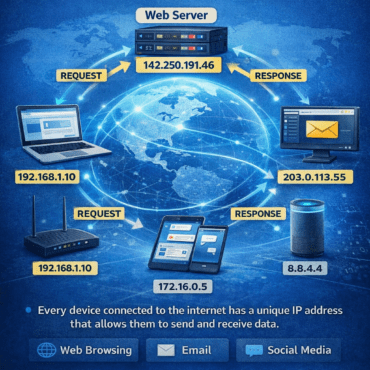
Metadata Analysis: Examines digital fingerprints, timestamps, and device data to detect manipulation.
-
Chain of Custody Documentation: Ensures evidence integrity from collection to courtroom presentation.
Importance of Forensic Analysis
In a world where misinformation and tampered media are rampant, forensic audio and video analysis provides reliable truth. It not only strengthens investigations but also protects legal integrity by ensuring only authentic, credible evidence is presented.
Choosing a Forensic Expert
Selecting a certified forensic analyst is crucial. Experts should have advanced training in digital forensics, strong experience with industry-standard software, and a clear understanding of legal protocols.
Conclusion
Forensic audio and video analysis is more than just enhancing clips—it’s about uncovering truth and providing justice through meticulous, scientific investigation. Whether for criminal, legal, or corporate cases, this field is indispensable in modern investigations.

Post comments (0)