Introduction
In digital forensics, forensic data acquisition is the most critical and sensitive step of any investigation. Whether it is a hard disk, pen drive, SSD, or external storage, the way data is acquired determines the integrity, admissibility, and reliability of digital evidence in court.
At Hawk Eye Forensic, we follow globally accepted forensic standards and use industry-leading tools to perform forensically sound hard disk and pen drive imaging, ensuring zero alteration of original evidence.
What Is Hard Disk Forensic Data Acquisition?
Hard disk forensic data acquisition is the process of creating an exact bit-by-bit copy (forensic image) of a storage device without modifying the original data.
This forensic image includes:
-
Active files
-
Deleted files
-
Hidden data
-
Unallocated space
-
Slack space
-
System metadata
The original evidence device remains untouched, while all analysis is done on the forensic image.
Why Forensic Imaging Is Important
-
Maintains chain of custody
-
Preserves original evidence integrity
-
Ensures legal admissibility
-
Allows repeatable and verifiable analysis
-
Protects evidence from accidental modification
At Hawk Eye Forensic, write blockers and validated forensic tools are always used during acquisition.
Process of Hard Drive & Pen Drive Imaging
Step 1: Evidence Identification & Documentation
-
Identify the storage device (HDD, SSD, Pen Drive)
-
Document device details (make, model, serial number)
-
Photograph the evidence
-
Assign evidence ID
Step 2: Write Protection
Step 3: Forensic Imaging (Data Acquisition)
-
Create a bit-stream image
-
Supported formats: E01, RAW (DD), AFF
-
Generate cryptographic hash values (MD5 / SHA-1 / SHA-256)
Step 4: Hash Verification
Step 5: Secure Storage
Tools Used for Hard Disk & Pen Drive Forensic Imaging
At Hawk Eye Forensic, we use multiple industry-trusted tools depending on the case requirement.
1. FTK Imager
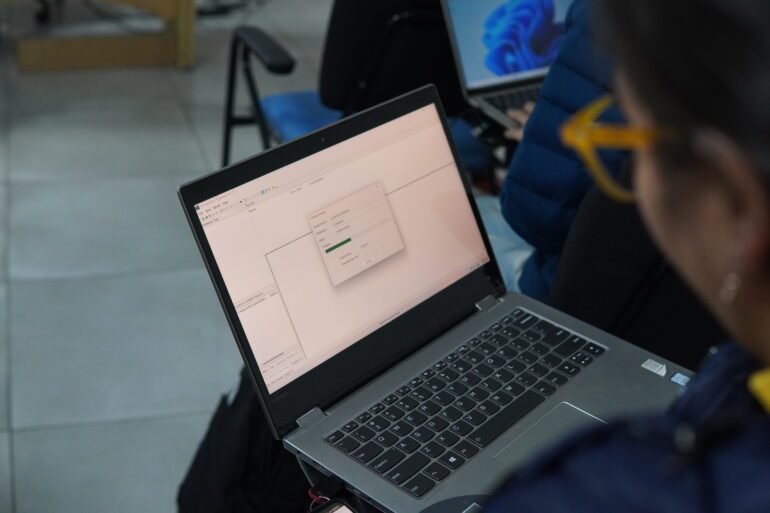
FTK Imager is a widely used forensic acquisition tool for creating forensic images of hard drives, pen drives, and memory.
Key Features:
-
Disk-to-image and disk-to-disk acquisition
-
Supports RAW (DD), E01, AFF formats
-
Generates MD5 & SHA hash values
-
Preview data before acquisition
-
Free and court-accepted tool
Use Case:
Ideal for quick imaging of pen drives, external HDDs, and system disks.
2. EnCase Forensic Imager

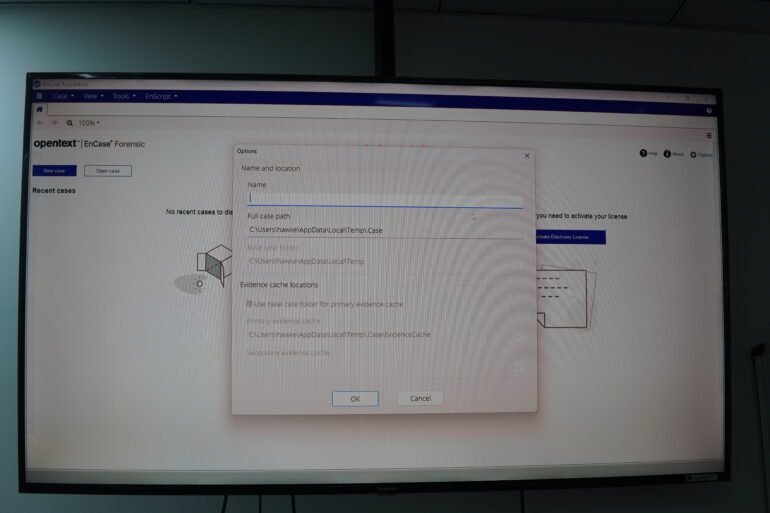
EnCase is one of the most trusted forensic tools used by law enforcement and forensic labs worldwide.
Key Features:
-
Forensically sound acquisition
-
Advanced error handling
-
Strong chain of custody documentation
-
E01 image format with compression
-
Court-proven reliability
Use Case:
Preferred for legal investigations, corporate cases, and cybercrime evidence.
3. Tableau Forensic Imager TX1
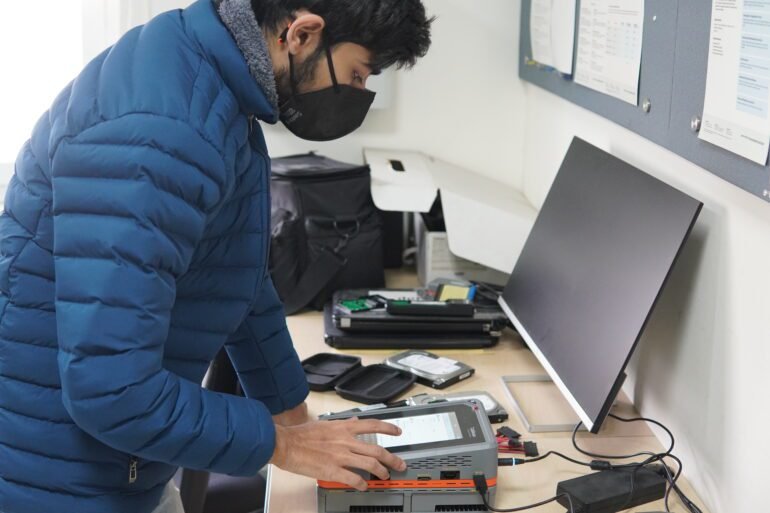
Tableau TX1 is a powerful hardware-based forensic imaging device.
Key Features:
-
Standalone forensic imaging
-
Supports SATA, IDE, USB, NVMe
-
Built-in write blocking
-
Touchscreen interface
-
Fast and reliable acquisition
Use Case:
Best for on-site forensic acquisition and large-capacity drives.
4. Falcon Forensic Tool
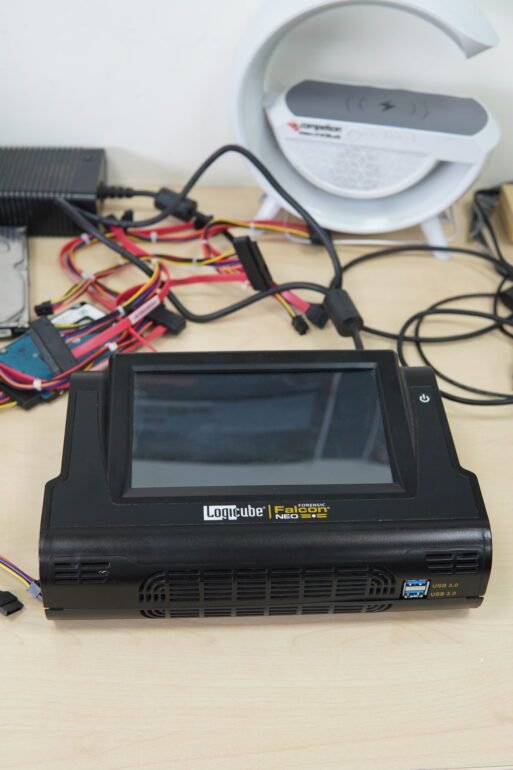
Falcon forensic solutions are used for high-speed, reliable data acquisition in complex investigations.
Key Features:
Use Case:
Used in enterprise-level and large-scale forensic investigations.
Imaging Hard Disk vs Pen Drive
| Feature |
Hard Disk Imaging |
Pen Drive Imaging |
| Size |
Large capacity |
Small to medium |
| Time |
More time |
Faster |
| Interface |
SATA / IDE / NVMe |
USB |
| Write Blocker |
Mandatory |
Mandatory |
| File Systems |
NTFS, FAT, EXT |
FAT32, exFAT |
Best Practices Followed by Hawk Eye Forensic
-
Strict chain of custody
-
Use of validated forensic tools
-
Hash verification at every stage
-
Secure evidence handling
-
Compliance with international forensic standards
We also provide hands-on training in forensic data acquisition using real tools like FTK Imager, EnCase, Tableau TX1, and Falcon.
Conclusion
Hard disk and pen drive forensic data acquisition is the foundation of digital forensic investigations. Any mistake during acquisition can compromise the entire case.
At Hawk Eye Forensic, we ensure accurate, reliable, and legally defensible forensic imaging using industry-standard tools and expert methodologies.
If you are looking for digital forensic services or professional training, Hawk Eye Forensic is your trusted partner.





Post comments (0)