Difference Between Imaging and Cloning in Digital Forensics
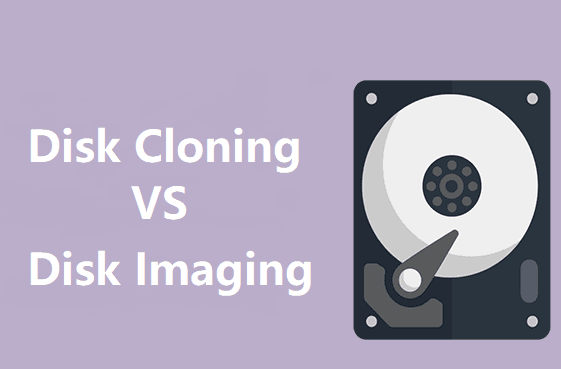
Digital forensics relies on accurate and scientifically sound methods to collect and preserve electronic evidence. Investigators must ensure that they do not alter original data during acquisition. For this reason, forensic experts use structured techniques to copy data from storage devices. Imaging and cloning are two such techniques. Although people often use these terms interchangeably, they serve different purposes in forensic investigations. Understanding their differences helps students, interns, and professionals make the correct technical and legal decisions.
Imaging in Digital Forensics
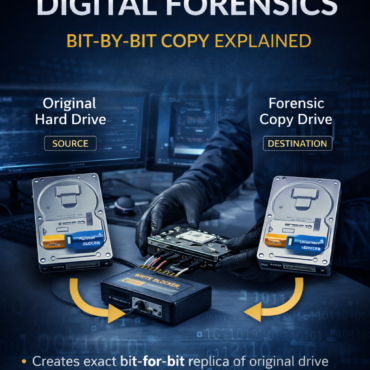
Digital forensic imaging creates a bit-by-bit copy of a storage device such as a hard drive, SSD, USB drive, or memory card. The examiner copies every sector of the device, including active files, deleted files, unallocated space, and slack space.
Investigators store the copied data as a forensic image file with formats such as .E01, .AFF, or .DD. During acquisition, the examiner uses write blockers to prevent any modification to the original device. Additionally, the examiner calculates cryptographic hash values before and after imaging to confirm data integrity.
Because imaging preserves the complete data structure and ensures authenticity, forensic professionals treat it as the standard method for evidence acquisition.
Key Characteristics of Imaging
-
Creates a complete sector-level copy
-
Captures deleted and hidden data
-
Stores data in image file formats
-
Uses hash values for verification
-
Meets legal and forensic standards
Cloning in Digital Forensics
Cloning copies data directly from one storage device to another storage device. Instead of producing an image file, the process creates a duplicate physical drive. The cloned drive functions like the original and allows direct access through a computer system.
Unlike imaging, cloning usually focuses on active and accessible files. Many cloning tools ignore unallocated space and deleted data. As a result, cloning does not always preserve forensic artefacts. IT professionals commonly use cloning for system upgrades, backups, or data migration.
Due to these limitations, forensic experts rarely rely on cloning as a primary evidence acquisition method.
Key Characteristics of Cloning
-
Copies data from disk to disk
-
Produces a functional duplicate drive
-
Prioritizes active data
-
Requires less time than imaging
-
Offers limited forensic reliability
Key Differences Between Imaging and Cloning
Although both methods copy data, they differ significantly in forensic value.
Purpose
Imaging supports forensic investigation and legal examination. Examiners use it to preserve evidence without altering original data. In contrast, cloning supports operational and administrative tasks such as system replacement and data transfer.
Data Scope
Imaging captures all data sectors, including deleted files and unallocated space. Cloning often excludes these areas, which limits its usefulness in evidence recovery.
Integrity Verification
Imaging always includes hash value verification, which confirms data authenticity. Cloning may skip this step, reducing evidentiary reliability.
Legal Acceptability
Courts widely accept forensic images because investigators follow documented forensic protocols. Cloned drives carry lower legal value unless examiners apply strict verification and documentation procedures.
Storage Format
Imaging produces files that forensic tools like EnCase, FTK, and Autopsy can analyze. Cloning produces a usable hard drive that behaves like the original system disk.
When Investigators Use Imaging or Cloning
Forensic investigators should always prefer imaging when handling evidence. Imaging allows safe analysis while preserving the original device. Moreover, multiple analysts can examine separate copies of the same image.
Cloning suits non-forensic situations such as:
-
System recovery
-
Hardware upgrades
-
Data migration
-
Routine backups
Investigators should avoid cloning when evidence analysis or court presentation is required.
Importance for Forensic Students and Interns
Forensic students often confuse imaging with cloning during training. However, choosing the wrong method in a real case can damage evidence credibility. By understanding this difference early, students develop proper forensic discipline.
A simple rule helps beginners:
Following this principle strengthens technical accuracy and professional ethics.
Conclusion
Imaging and cloning perform different roles in digital environments. Imaging provides a forensically sound and legally defensible method to preserve digital evidence. Cloning supports operational tasks but lacks the depth required for forensic analysis.
For digital forensic professionals, imaging represents not just a technical process but a responsibility toward evidence integrity and judicial trust.

Post comments (0)