Virtual Private Networks (VPNs) have become increasingly popular for protecting online privacy, securing internet connections, and bypassing geographical restrictions. Millions of legitimate users—including businesses, journalists, remote employees, and travelers—rely on VPNs every day to safeguard sensitive information.
However, VPNs are also frequently mentioned in cybercrime investigations. A common question asked by investigators, legal professionals, and the general public is:
Can VPNs completely hide criminal activity?
The short answer is no.
While VPNs can make investigations more challenging by masking a user’s IP address, they do not make someone invisible online. Modern digital forensic techniques, combined with legal procedures and intelligence gathering, often enable investigators to identify suspects even when VPN services are involved.
What is a VPN?
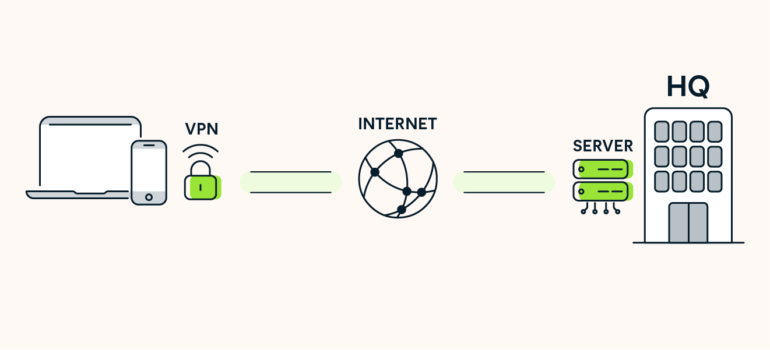
A Virtual Private Network (VPN) creates an encrypted tunnel between a user’s device and a VPN server. Instead of connecting directly to a website or online service, internet traffic first passes through the VPN server.
This process provides several benefits:
- Encrypts internet traffic
- Hides the user’s real IP address
- Protects data on public Wi-Fi networks
- Helps maintain online privacy
- Allows access to geo-restricted content
For legitimate users, VPNs are valuable cybersecurity tools rather than instruments for illegal activity.
Learn more about VPN technology:
https://www.cloudflare.com/learning/access-management/what-is-a-vpn/
Why Criminals Use VPNs
Cybercriminals often use VPNs to make attribution more difficult during activities such as:
- Phishing campaigns
- Malware distribution
- Ransomware attacks
- Credential theft
- Dark web access
- Financial fraud
- Unauthorized network intrusion
By routing traffic through VPN servers located in different countries, criminals attempt to obscure their original location.
However, this is only one layer of anonymity.
What a VPN Actually Hides
A VPN generally hides:
- Your public IP address
- Your approximate geographic location
- Internet traffic from your Internet Service Provider (ISP)
- Data transmitted over unsecured public networks
This can make initial tracing more complex, but it does not eliminate other digital evidence.
What a VPN Cannot Hide
Contrary to popular belief, VPNs do not hide every aspect of online activity.
Investigators may still obtain evidence from:
Device Forensics
Computers and smartphones often retain valuable forensic artifacts, including:
- Browser history
- Download records
- VPN application logs
- Authentication tokens
- Cached files
- System logs
- Registry entries (Windows)
- Mobile application data
Even deleted information may sometimes be recovered through forensic examination.
Cloud Services
Many users remain logged into:
- Email accounts
- Google services
- Microsoft accounts
- Apple ID
- Social media platforms
These services generate logs that may help investigators establish user identity.
VPN Provider Logs
Not every VPN follows a genuine no-logs policy.
Depending on the provider and jurisdiction, VPN companies may retain:
- Connection timestamps
- Source IP addresses
- Payment information
- Device identifiers
- Bandwidth usage
In some investigations, law enforcement agencies obtain this information through legal processes.
Payment Records
Many VPN subscriptions are purchased using:
- Credit cards
- Debit cards
- PayPal
- Bank transfers
These payment methods can establish ownership even if the internet connection itself appears anonymous.
Browser Fingerprinting
Even when using a VPN, browsers reveal characteristics such as:
- Screen resolution
- Installed fonts
- Browser version
- Operating system
- Language settings
- Time zone
Combined, these attributes can create a unique browser fingerprint that assists in identifying users.
How Digital Forensic Investigators Trace VPN Users
Digital investigations rarely depend on a single source of evidence.
Instead, investigators correlate multiple data sources, including:
- ISP records
- VPN provider information (where legally available)
- Device examinations
- Mobile forensic evidence
- Cloud account activity
- Email headers
- Server logs
- DNS records
- Financial transactions
- CCTV footage
- Witness statements
- Social media intelligence (OSINT)
This approach allows investigators to reconstruct events even when VPN services are involved.
Real-World Investigations
Numerous cybercrime investigations have demonstrated that VPN usage does not guarantee anonymity.
Investigators frequently identify suspects through:
- Mistakes in operational security (OpSec)
- Reused usernames
- Login time correlations
- Cryptocurrency transaction analysis
- Metadata
- Device seizures
- Cloud synchronization records
- Communication patterns
In many cases, suspects are identified because they leave traces outside the VPN itself.
Are VPNs Legal?
In most countries, including India, using a VPN is generally legal for legitimate purposes such as:
- Protecting personal privacy
- Secure remote work
- Accessing company networks
- Safeguarding data on public Wi-Fi
However, using a VPN to facilitate crimes does not provide legal immunity. Criminal activities remain illegal regardless of whether a VPN is used.
Users should also be aware that certain jurisdictions impose restrictions or regulatory requirements on VPN providers.
Best Practices for Legitimate VPN Users
If you use a VPN for privacy and security:
- Choose a reputable VPN provider.
- Enable Multi-Factor Authentication (MFA) on your accounts.
- Keep your operating system and applications updated.
- Avoid downloading files from untrusted sources.
- Use strong, unique passwords.
- Remember that a VPN is only one component of a broader cybersecurity strategy.
CISA – Cybersecurity Best Practices
https://www.cisa.gov/
Europol – Cybercrime Resources
https://www.europol.europa.eu/crime-areas-and-statistics/crime-areas/cybercrime
NIST Cybersecurity Framework
https://www.nist.gov/cyberframework




Post comments (0)